FIFA Fan Festival will be a once-in-a-lifetime moment, at the expense of neighbors, local groups say
“More work remains to be done,” said Councilmember Jeffery Young.
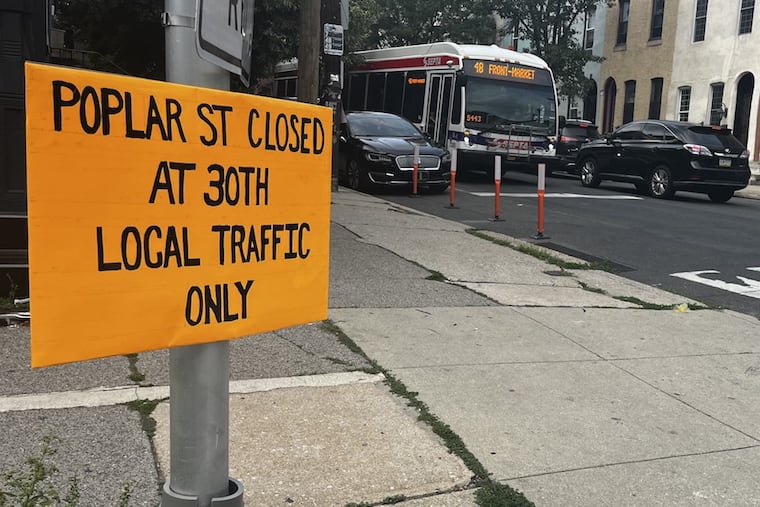
Only a few days into the World Cup, residents of Brewerytown and Fairmount, trapped inside the blast zone of the fan festival in their backyards, are seeing their fears realized.
Drivers are clogging up roads, rerouting, and sometimes speeding through neighborhood side streets due to road closures. Uber and Lyft services are offline for residents directly next to the festival during operating hours. Many residents are forced to navigate parking nightmares, turning everyday life into an exhausting headache.
It’s all for the sake of the FIFA Fan Festival, a 39-day, million-square-foot party taking over Lemon Hill and inviting 15,000 daily visitors to its picturesque fields. While city officials and event organizers roll out the red carpet and spend millions on World Cup fans, residents who for years have been pleading for Lemon Hill improvements say the festival will use their neighborhood and park at their expense.
“The sentiment right now is just the complete disrespect for the residents and that this is all being done for tourists,” said Nissa Eisenberg, Fairmount resident and co-organizer of the Lemon Hill Neighbors Association, the organization disseminating festival information and communicating with the city. “Everybody’s feeling pretty resentful, maybe cautiously optimistic, but also just not feeling respected as residents.”
The FIFA Fan Festival opened its gates to thousands of fans Thursday as not only the cheapest way to experience the revelry of a World Cup game (admission is free, though it requires registration), but also the melting pot of Philly’s best food and shopping. It is also the only fan festival across the 11 U.S. host cities that is open daily for the entire 39-day tournament, culminating on July 19.
If these changes weren’t tough to navigate already, city officials gave residents a little more than three weeks to prepare.
“We’ve been talking with them for two years to engage neighbors with a plan, and they waited to communicate their plan until after people made their summer plans, after parents made driving schedules for their kids’ summer camps every week, and after people planned daily commutes,” Eisenberg said.
Charlotte Burns, a Fairmount resident and veterinarian, fears for other residents who work in hospitals and are often on call for medical emergencies. “For months we’ve known this was going to happen, but there has been nothing from the city,” Burns said, referring to the fact that door-knocking, flyers, and posters did not begin in earnest until weeks before the tournament.
On May 18, the city unveiled its plan for how it would manage the festival for residents. Officials informed neighbors that thousands of them would need to swiftly apply for parking permits to allow them to park near their homes for two months, something many residents are still unclear on, said Shaun Cerborino of Lemon Hill Neighbors.
Additionally, no rideshare services like Lyft and Uber will work at Lemon Hill and around six blocks of the surrounding residential areas during festival operating hours, sometimes spanning all day, in a practice called geofencing. Those without cars will have to walk blocks from their home to hail a ride, or use SEPTA, which is still operating in the neighborhood.
City officials told residents last month that rideshare services will not be disabled for riders who require a wheelchair-accessible vehicle (WAV). However, after The Inquirer asked for clarification on how this exemption works in practice, the Philadelphia Office of Transportation and Infrastructure Systems (OTIS) found that a miscommunication between rideshare services occurred.
The city was supposed to designate where WAVs can operate within the geofence, while the city was under the impression that rideshare services handled it.
“Now that we have that clarity, we’re going to evaluate some changes to the perimeter that is enclosed in the geofence area. We’ll try to act as quickly as we can to adjust the geofence,” said OTIS Deputy Managing Director Mike Carroll.
City officials said they could not specify what these geofence adjustments will look like until they have finished talks with Uber and Lyft. But what was initially promised, that WAVs will pick up and drop off disabled riders at their homes, might not be possible. Instead, there is a chance WAV-only drop-off zones will be created in that geofenced area.
“That challenge is too difficult for us to work through for any resident who needs it,” Carroll said. “It’s too bad that there’s not a more general way to have these vehicles come in, but we can’t really haggle with [rideshare services] at this point. We’ll just try to make it work as best we can.”
The work to calm neighborhood traffic
Dustin Dove, president of the Fairmount Civic Association, points to the 2900 block of Ogden Street, a mere block from the festival, as a microcosm of the neighborhood’s concerns.
Due to road closures on 30th and Poplar Streets, agitated drivers, stuck in traffic, are choosing to speed down narrow one-way Ogden Street to get around lines of cars, residents said. Neighbors have seen at least two incidents where a car rocketed down the street while young children were playing.
Dove said residents have called every relevant city department and elected official who represents the area, including Councilmember Jeffery Young, requesting additional signage and traffic-control measures at 29th Street to dissuade drivers from using side streets.
“We’re going to be welcoming a lot more people than usual, and we need Council members to come and look at this situation,” Dove said. “There are issues that need some sort of leadership at the top to get them fixed.”
Young said he and his office have heard from residents who are “understandably frustrated” by traffic being redirected onto neighborhood streets and confusing or insufficient signage.
“When these concerns were brought to our attention, we immediately notified the appropriate city departments and event organizers and have already seen some additional signage and traffic-control measures put in place. However, more work remains to be done,” Young said.
A city spokesperson said police officers will be stationed at 30th and Poplar Streets throughout the duration of the festival and will make adjustments as needed. The city also committed to installing additional signage where appropriate, the spokesperson said.
Still, as the first day of the World Cup rolled around, neighbors near Ogden Street reported heavy traffic on side streets, Fairmount resident Nicole Ross said, with many residents saying they received parking tickets despite having registered temporary permits. Ross said the Philadelphia Parking Authority later told residents who were ticketed that it was a system error and would be resolved.
The legacy of Lemon Hill Park
Besides the short-term, everyday nuisances of the FIFA Fan Festival, there are deeper-rooted issues about care and longevity of the park. Park stewards, like Cerborino and Eisenberg, are volunteer workers who care for and maintain much of Lemon Hill.
Across the city’s parks, stewards understand that Philadelphia Parks and Recreation is unable to perform some needed upgrades due to staffing and budgetary constraints. That’s where stewards spend their free time and money to try to keep the city’s nationally ranked parks in an idyllic state. But that often comes with yearslong discussions about proper park funding and upgrades, as recently reported by The Inquirer, where stewards are again pleading with City Council for more funding as they are tired of operating off “love and duct tape.”
When pitching the festival to the city and residents, Philadelphia Soccer 2026 said it would be leaving lasting legacy improvements to the park in exchange for residents giving up their summer green space.
“We will see this through during organizational wind-down following the tournament,” a festival spokesperson said.
Philadelphia Soccer 2026 is committing $4 million to install a new ADA-accessible sidewalk path, a new playground, and new lighting, as well as to rebuild the picnic pavilion, organizers said. Residents have begged the city for some of these improvements for years, Cerborino and Eisenberg said.
“Residents deserve a clear understanding of what lasting benefits will remain after the crowds leave. I will continue advocating for transparency, accountability, and a concrete plan for legacy investments that benefit the Lemon Hill area and the city as a whole,” Young said.
The city said it will work alongside Philadelphia Soccer 2026 to see these legacy commitments come to fruition, as well as have Philadelphia Parks and Recreation staff monitor the grasslands and trees to address any issues that appear during the festival, a spokesperson said.
While stewards understand that park upkeep is not at the forefront of city budgetary concerns, it does hurt when it seems improvements to Lemon Hill Park will come only after an international or major sponsored event takes place there, Cerborino said.
“Especially when the parks are primarily supported by public dollars, it doesn’t feel right for FIFA or Live Nation, or whatever company, to come in, have their way with our parks, make all the money on it — and the taxpayers foot part of that bill and get very little out of it,” Cerborino said. “The tradeoff is FIFA makes a few billion dollars, and we got a sidewalk.”