Philly parks groups plead for funding, tell Council they are tired of running things on ‘love and duct tape’
Philadelphia spends about $110 per resident on open space, placing it at No. 79 on a ranking of 100 cities. Pittsburgh spends $185. The city's Parks friends groups want to change that.
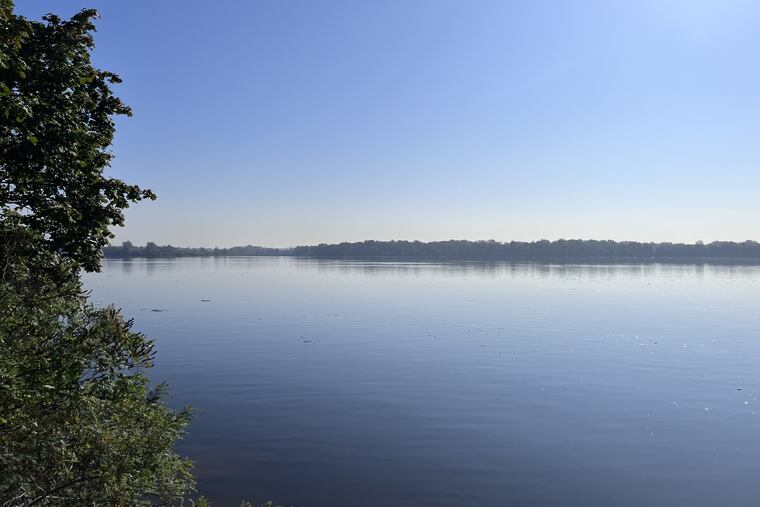
Local groups pleaded with Philadelphia City Council on Thursday for permanent funding for parks, saying the city’s green spaces should not depend on “love and duct tape.”
Philadelphia has no dedicated funding for parks and open space, the groups say. Rather, it depends on the overall budget for Philadelphia Parks and Recreation, as well as grants, private nonprofits, and thousands of volunteers who weed, fix, and maintain trails and equipment as part of friends groups.
Michelle Lee, a volunteer with Belmont Plateau Trails Alliance, said Philadelphia depends on volunteers at more than two times the national average.
Most park friends groups are organized to raise money and help manage parks mostly with volunteers, although some have paid staff members, such as the Friends of the Wissahickon. But many rely heavily on residents to donate their time.
“We’re running this park system on love and duct tape,” said Lee, who is also working to organize a friends group for a Pennsport park. “There are a lot of things that friends groups can’t do — fix a broken light, repave a cracked sidewalk, or replace a bench."
‘Long-term revenue streams’
The parks groups appeared at Council in support of a resolution by Councilmember Anthony Phillips for the Committee on Parks, Recreation and Cultural Affairs to hold hearings “on the condition of the city’s park system.” Phillips chairs the committee.
Council approved the hearings, which are to examine how the park system is funded, staffed, and maintained with the goal of developing “long-term revenue streams.”
Philly’s park system contains about 9,200 acres of parks. That includes Fairmount and Wissahickon Valley, the two largest parks. But most of the city’s parks are much smaller and embedded in neighborhoods.
Philadelphia Parks and Recreation has a roughly $84 million budget that supports 400 neighborhood parks, recreation centers, libraries, and pools. Much of that goes to pay staff, maintain buildings, pay for professional services and contractors, plant trees, provide programs for residents, and pay lifeguards.
This year, it is also involved with large special events such as the FIFA Fan Festival at Lemon Hill.
How Philly’s parks rank
A report issued last week by the Trust for Public Land, a national nonprofit focused on outdoor space, placed Philadelphia’s park system at No. 27 out of 100 cities. Although it has risen in the ranks the last few years, parks groups say the city could do much better.
» READ MORE: Philly climbs a notch in nation’s parks ranking largely because of this new city open space
The city’s ranking gets knocked down by the amount it spends on its open space per resident — about $110, placing it at No. 79. The leader in the category, Irving, Texas, spends $587.
Representatives from Philadelphia’s parks groups note that Pittsburgh, at No. 16, ranks much higher than Philly because it spends $185 per capita and has a dedicated source of funding.
Wren Ganey, an advocate with the nonprofit PennFuture, said her organization and the William Penn Foundation are coordinating with parks groups to advocate for dedicated funding.
“We’re bringing together different parks groups to figure out what’s best for our residents,” Ganey said.
That includes examining how other cities fund and expand their park systems.
“We’re one of the only cities among our peers across the country that doesn’t have a dedicated funding revenue source,” Ganey said.
How other cities pay for parks
Nationally, cities have floated bonds or dedicated portions of sales and property taxes to fund parks or acquire open space. They have approved fees on developers. Some have held referendums to create taxes tied solely to open space.
Erme Maula, with Friends of Mifflin Square in South Philadelphia, said many park friends groups in the city feel isolated.
“We found that friends groups didn’t have an advocacy voice,” Maula said. “So we didn’t have a way to get to know each other and work together.”
Now, she said, the groups have been mobilizing.
“We call it neighbor labor — people taking care of our parks where the city falls down in funding," Maula said.
Justin DiBerardinis, executive director of the nonprofit Tookany/Tacony-Frankford Watershed Partnership, said that cooperation among friends groups has waxed and waned over the years.
“The numbers that it takes to create transformational change are not eye-popping and would not break the bank,” he said. “We can create a different park experience with an investment that the city can afford if we were just investing at the same level as our peer cities.”