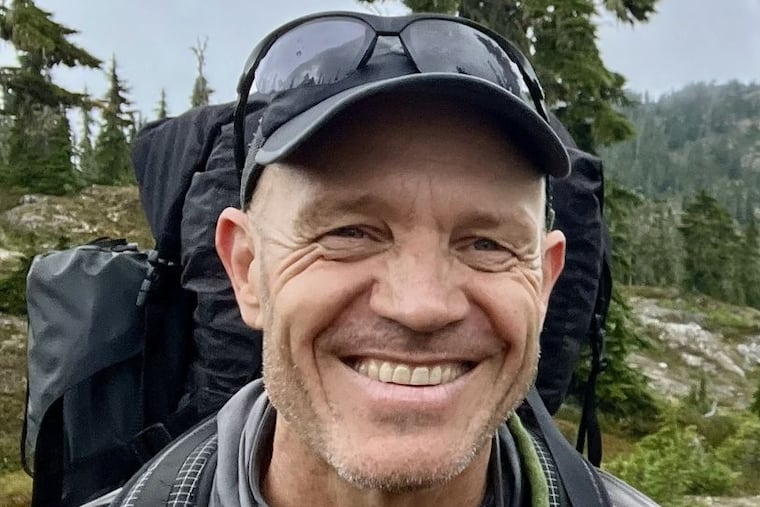
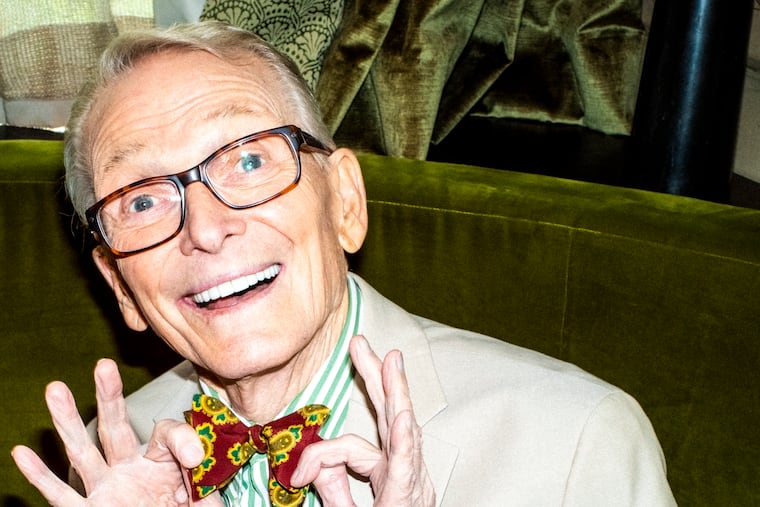
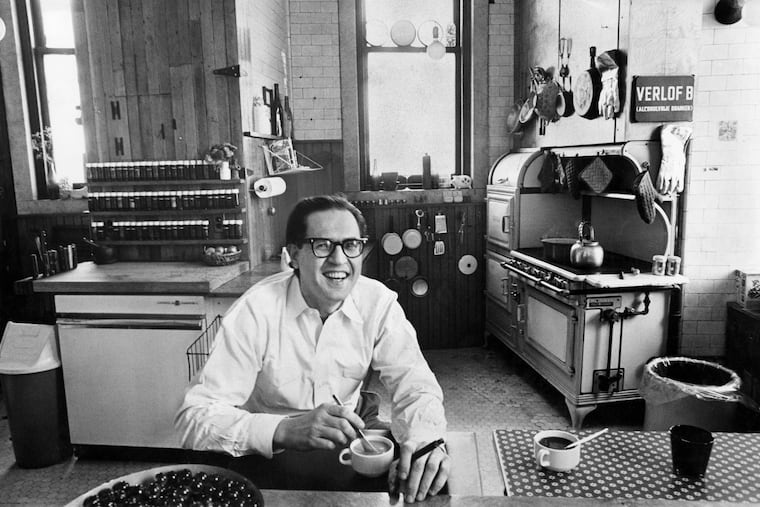
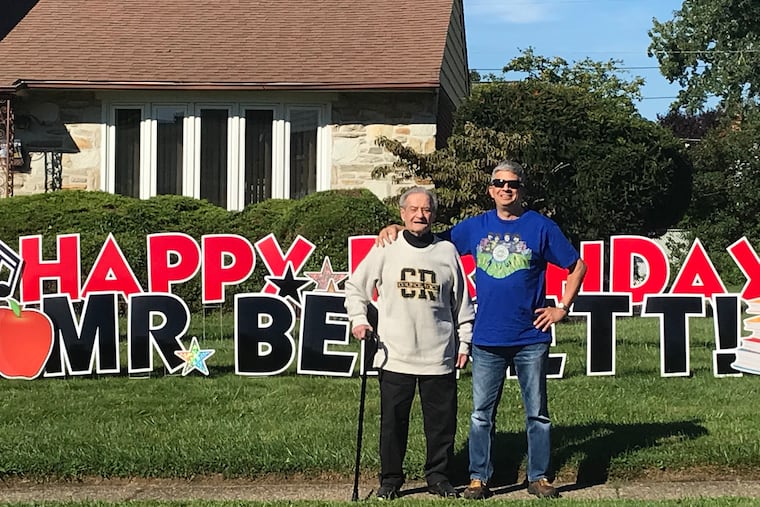
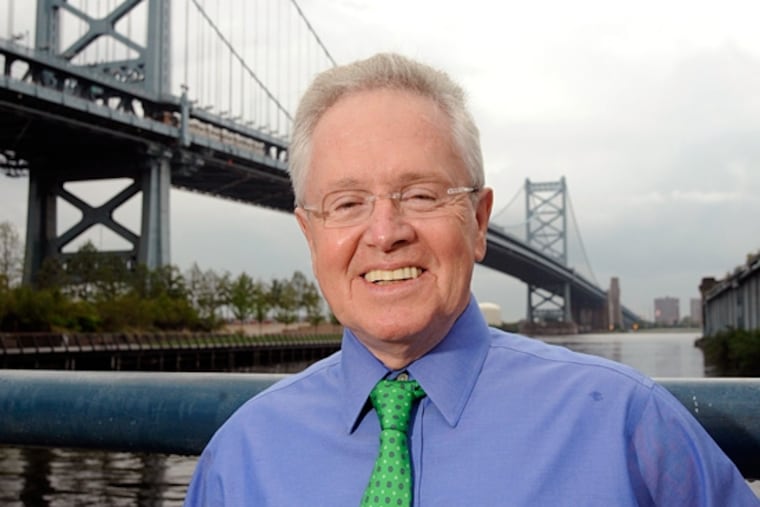
Harry Spivak, a caterer who straddled the music and hospitality worlds, has died at 66
It would take only one move to play the 1990s parlor game “Six Degrees of Kevin Bacon” with Mr. Spivak. He and the actor-musician were lifelong friends.
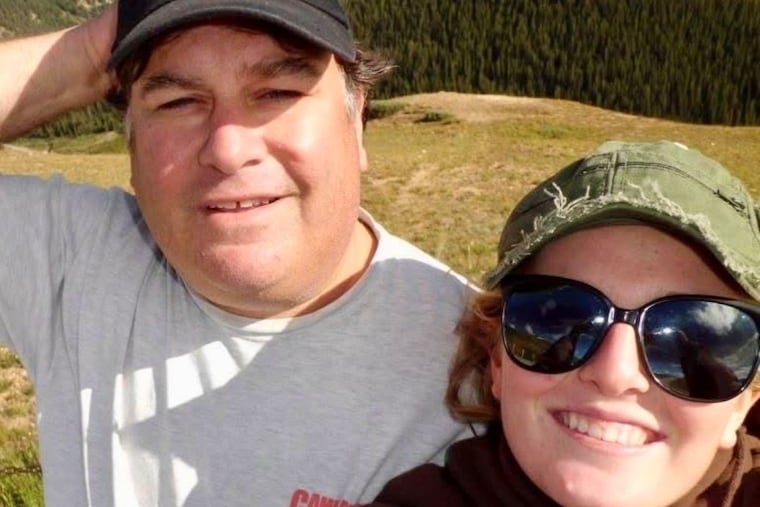
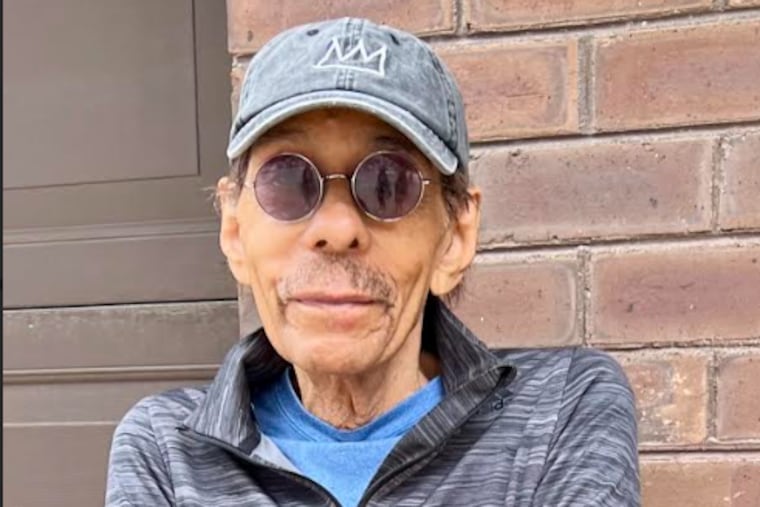
Harry A. Spivak, 66, a veteran caterer and connector in the city’s hospitality sector, died of natural causes on Dec. 31 after a short illness.
Over the decades in catering, event production, and consulting, he was known as the person who knew whom to call, how to staff a last-minute job, where to source the right equipment, and how to make complicated events run smoothly.
“He was a sage when it came to organization and bartending and everything that goes into making an event work,” said Jon Spivak, a brother who was his partner at the now-closed Max & Me Catering. “But his real gift was connecting people. He had what I call ‘a Rolodex brain.’ That was his true genius.”
Mr. Spivak, the oldest of Joseph “Jerry” and Sally Spivak’s five children, grew up immersed in hospitality and music through the family’s businesses.
In 1968, Jerry Spivak and brothers Herb and Allen were among the founders of the Electric Factory, the pioneering music venue that grew into the industry’s largest concert-promotions company, Live Nation. In 1972, the Spivak brothers opened H.A. Winston & Co., a casual restaurant that grew to 22 locations on the East Coast.
Mr. Spivak himself only dabbled in the restaurant business — opening the short-lived Bala Rouge in Bala Cynwyd in 1985 with his brother Jon and cousin Adam Spivak after his graduation from the University of Colorado in Boulder. He later spent eight years in the San Francisco Bay Area before returning to the Philadelphia area to raise his daughter, Katie.
Friends say Mr. Spivak possessed a rare mix of business instinct and personal warmth. He could talk logistics one minute and relationships the next.
“He had this incredible memory,” said Jon Spivak, who is a chef. “You could mention someone you worked with 20 years ago in Colorado or New York, and Harry would remember where they went to school, who they worked for, and who they might know that could help you now.”
It also would take only one move to play the 1990s parlor game “Six Degrees of Kevin Bacon” with Mr. Spivak.
“Harry was my first friend,” Bacon said Monday, describing him as a “kind, gentle, big-hearted man.” The Spivaks moved onto Van Pelt Street in Center City in 1967, around the corner from the Bacon family’s house on Locust Street. “I was immediately taken in by the Spivak family, and their house became my second home,” Bacon said.
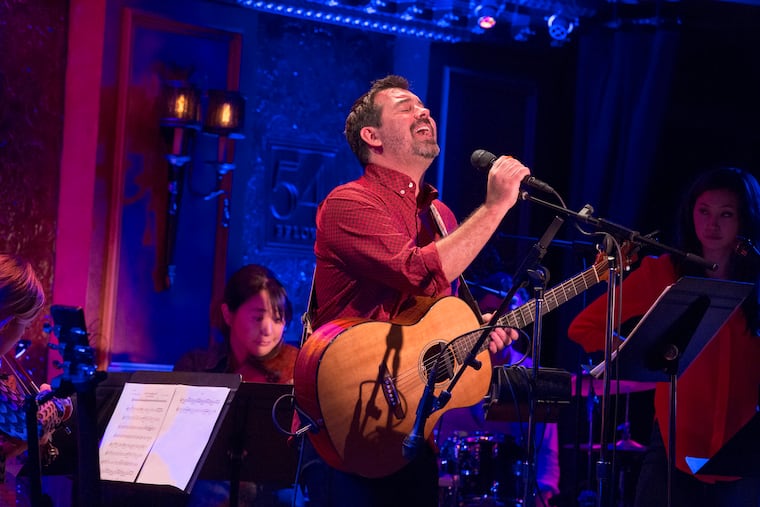
Three decades ago, Mr. Spivak’s talents as a social bridge created a chapter in music history when he suggested that Bacon and his older brother Michael perform together as the Bacon Brothers. Kevin Bacon confirmed that Mr. Spivak also arranged their area debut at the TLA on South Street, then owned by Electric Factory.
“Harry and I shared countless adventures through the years on the Philly streets, the Electric Factory, the Spectrum, Northern California, and Bucks County,” Bacon said.
Mr. Spivak also was his family’s historian, a daunting role given that his grandfather — taproom owner Harry “Speedie” Spivak — was one of 13 children. “Anyone in the family could call him and say, ‘I just met someone named Susan — how are we related?’” Jon Spivak said. “Harry would immediately say, ‘She’s your grandfather’s third sister’s daughter’s kid.’”
Mr. Spivak was happiest when he was in motion — building teams, solving problems, and making sure everyone had what they needed.
“He was a jack of all trades,” said Jon Spivak. “But more than that — he was the guy you wanted in your corner.”
Jon Spivak and his Max & Me business partner Max Hansen relied on him in 2000 for catering jobs at the Republican National Convention in Philadelphia. After the convention, Max & Me was hired to cater aboard the Bush-Cheney campaign’s train for a three-day whistle-stop tour through the Midwest.
Assigned to oversee beverages for the media, Secret Service agents, campaign staffers, and railroad employees, Mr. Spivak loaded 15 cases of beer, 21 cases of bottled water, 22 cases of sodas, and eight cases of juices, plus wines and spirits.
The baggage car used for storage, however, was separated from the kitchen and dining car by four 100-foot cars. Rather than navigate the narrow aisle, Mr. Spivak waited for station stops, unloaded the boxes onto the platform, transferred them by hand truck, and reloaded them onto the train. “My body didn’t stop hurting for weeks,” he told The Inquirer later.
Friends and relatives also remembered him for his role as the family’s fun uncle, who took nieces and nephews for ice cream, bent the rules, and encouraged adventure. “What I’ll remember most is his love of fun,” his brother said. “He didn’t take life too seriously.”
During the COVID-19 pandemic, Mr. Spivak became an advocate for feeding homeless people and worked to direct meals and resources to those most affected by shutdowns. “He didn’t live inside a box,” his brother said. “He did his own thing. People loved him because he had a huge heart and would do anything for anybody.”
In addition to his daughter and brother, Mr. Spivak is survived by siblings Jenny, Betsy, and Josh, and dozens of cousins, nieces, and nephews.
A celebration of Mr. Spivak’s life will begin at 1 p.m. Jan. 25 at Underground Arts, 1200 Callowhill St., Philadelphia. Memorial contributions may be made to Chosen 300 Ministries, Box 95, Ardmore, Pa. 19003.