School closures would gut specialized magnet programs for students
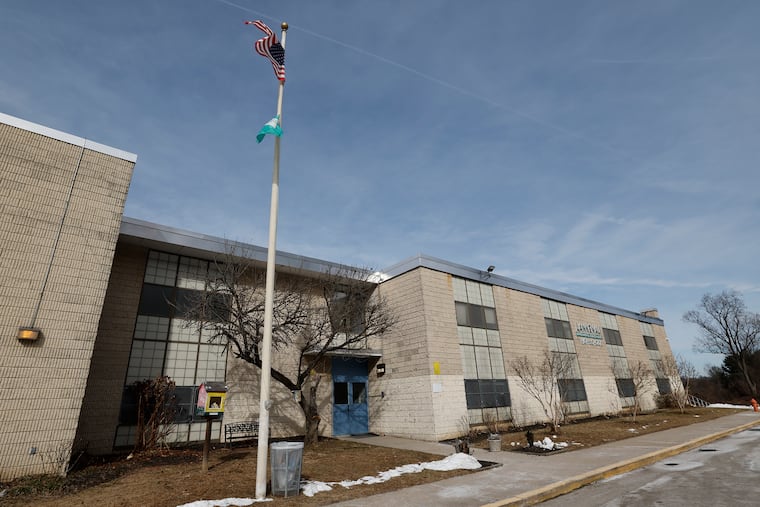
Lankenau Environmental Science Magnet High School is proposed for closure, with its program folded into an honors track elsewhere instead. Framing this move as a merger understates what will be lost.
Philadelphia has been here before.
In the early 2010s, school closures were presented as unavoidable and data-driven. Families were promised efficiency and reinvestment. What many communities experienced instead was lasting harm that never fully healed. That history matters now as the Philadelphia School District advances a new Facilities Master Plan that again relies on closures as a primary tool.
This time, the risk extends beyond neighborhood schools to specialized magnet programs with a clear public purpose. Lankenau Environmental Science Magnet High School is among those proposed for closure, with its program folded into Roxborough High School as an honors track. Framing this move as a merger understates what would be lost.
Lankenau offers a cohesive educational experience built around environmental science. That focus shapes classroom instruction and extracurricular programming, as well as long-standing partnerships outside the school. Students graduate with sustained exposure to climate science and its connections to public health, food systems, and urban sustainability. These experiences reinforce one another and help explain the school’s strong graduation outcomes and high college attendance rates.
The timing of this proposal is difficult to ignore. Climate change is already shaping life in Philadelphia. Rising temperatures and flooding are becoming routine realities for many neighborhoods. Poor air quality continues to affect how residents live, work, and learn. Environmental inequities remain concentrated in Black and low-income communities. Preparing students to confront these conditions requires immersion over time, not sporadic exposure.
Protecting schools like Lankenau would not undermine the broader goals of modernization or equity. It would reinforce them.
The district argues that consolidating magnet programs into neighborhood high schools will expand access and strengthen those schools as community anchors. That logic assumes program quality can be preserved through reorganization alone. Experience suggests otherwise.
A mission-driven school culture depends on sustained focus and institutional priority. Once reduced to a single track, that culture becomes fragile. Through Lankenau, students are participating in an Environmental Rights Amendment curriculum led by the Pennsylvania Bipartisan Climate Initiative, one rooted in civic engagement as much as environmental literacy. That depth of engagement would be hard to replicate in other schools without a dedicated institutional focus on this work.
Environmental education is especially vulnerable to this kind of dilution. Partnerships with universities and community organizations take years to build. Internship pipelines depend on consistent coordination. Hands-on programs require both space and continuity. When these elements are separated, the whole weakens.
Equity concerns also deserve closer attention. Lankenau serves students from across North and Northwest Philadelphia who rely on district-provided transportation. For many families, this school represents access to a learning environment aligned with their interests and ambitions. Closing it narrows those options rather than expanding them.
The Facilities Master Plan emphasizes data analysis, community engagement, and fiscal responsibility. Those factors matter. But they do not capture everything. Some schools provide value that cannot be reduced to enrollment figures or building utilization rates. When a public school consistently prepares students to engage with one of the defining challenges of this century, dismantling it should not be taken lightly.
Climate literacy is not optional. It shapes workforce readiness and civic decision-making. Philadelphia should be strengthening pathways that cultivate this knowledge early and deeply. Offering environmental science only as an honors option signals a retreat from that responsibility.
This proposal is not final. The Board of Education still has time to reconsider. Protecting schools like Lankenau would not undermine the broader goals of modernization or equity. It would reinforce them and affirm that preparing young people for a changing world requires more than consolidation.
Concerned residents should sign up to attend an upcoming community engagement session on Feb. 3 and 4 to show support for our specialized magnet schools.
Ashlei Tracy is a nonprofit leader with a background in environmental policy and biology. Her work centers around increasing civic engagement, policy literacy, and care for our shared planet.