Environmental and energy concerns are crucial in data center development | Editorial
The language of opportunity surrounding both fracking and data centers sounds distressingly familiar, as Pennsylvania joins the rush to the latest promised economic boom.
As the state joins the charge to capitalize on building data centers that will help power an envisioned future full of artificial intelligence wonders, officials at all levels should tread lightly. Too many people are still bearing the burden for the last time Pennsylvania joined the rush to a promised economic boom.
Although there is a stark difference between pumping millions of gallons of water and toxic chemicals into the ground and filling buildings with computing equipment, the language of opportunity surrounding both fracking and data centers sounds distressingly familiar — as is the investment bubble driving it.
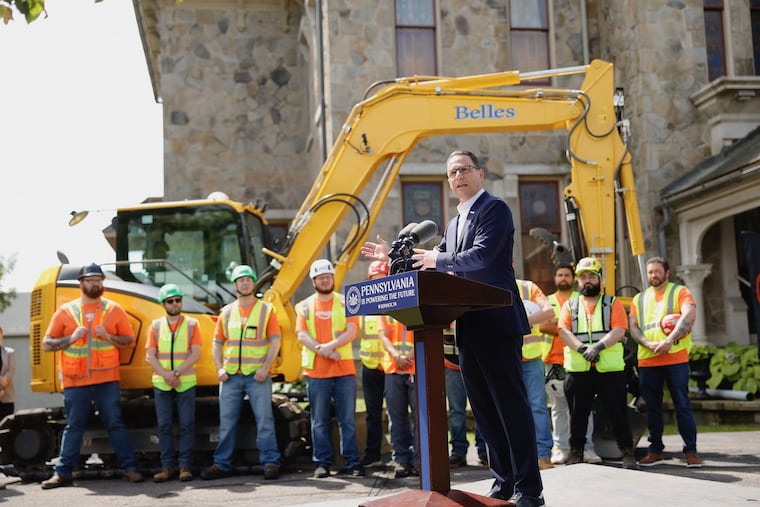
Even before he opened 2.2 million acres of state forests to hydraulic fracturing, former Gov. Ed Rendell touted the jobs and revenue that would come from natural gas extraction. Today, Gov. Josh Shapiro proudly announces the billions in private investment and thousands of high-tech and construction workers who will benefit from data center development.
Yet, two decades after fracking launched in the commonwealth, jobs are minimal, energy prices remain high, health concerns linger, and the environmental impact is ongoing. If any lesson is to be drawn, it’s the careful consideration of the downsides to the latest ballyhooed economic driver.
» READ MORE: Give Trump full credit for the Israel-Hamas hostages deal. But will a lasting peace take hold? | Editorial
Data centers are critical components of AI infrastructure, housing the computers and related equipment that run large language models like ChatGPT or host cloud computing services. Odds are that if you interact with technology at any point during your day, you are taking advantage of the processing power of a data center somewhere.
However, data center operation demands large amounts of water and even larger amounts of electric power.
The more than 300 data centers in northern Virginia consumed about two billion gallons of water in 2023, a 63% increase from 2019, with some counties relying on potable, rather than reclaimed, water to meet demand, according to the Environmental and Energy Study Institute. This can put freshwater resources that communities depend on in jeopardy. Data center construction itself has also reportedly led to groundwater pollution in rural areas.
As for power, data centers are already being blamed for rising energy bills. Monthly electricity costs are as much as 267% higher than they were five years ago in areas located near significant data center activity, according to a Bloomberg analysis.
State and local leaders must be particularly diligent, as the Trump administration’s heady mix of deregulation and political grievances leads to policies that are reckless and counterproductive.
A July executive order, part of the president’s AI Action Plan, proposed streamlining environmental reviews and permitting for data centers and related infrastructure, clearly taking aim at protections in the National Environmental Policy Act.
» READ MORE: Supreme Court must check Trump’s presidential power grab | Editorial
Meanwhile, the administration continues its clueless course to hamstring America’s clean energy revolution. Instead of taking an all-of-the-above approach to energy production, the administration is intent on undercutting clean energy projects through regulatory red tape and eliminating funding procured by Congress under President Joe Biden to meet critical renewable energy goals.
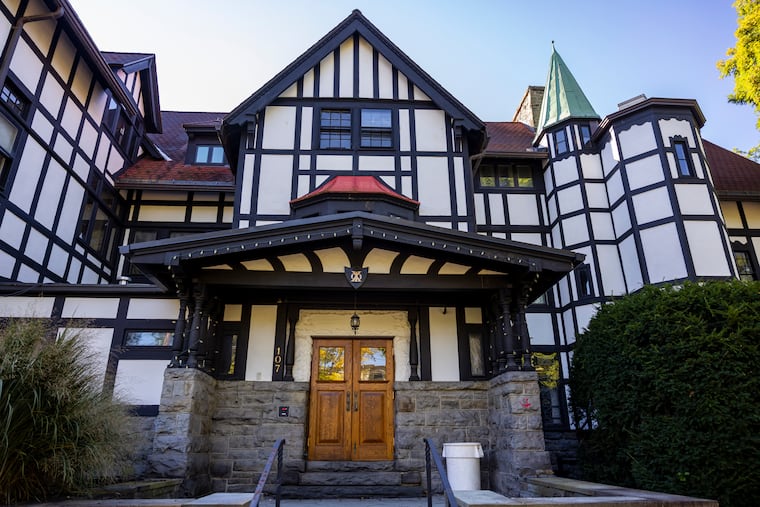
Approval to build local data centers has met stiff resistance from some in the community, including for projects north of Allentown and near Conshohocken. A proposal for a 1.3 million-square-foot data center at the site of the former Pennhurst State School and Hospital in Chester County is the latest example.
The developers of the Pennhurst project told The Inquirer their data center would “address environmental concerns while also providing significant economic investment, jobs, and tax rateables as well as other benefits that would directly address the needs of the community.”
That is quite the promise. One that is hard to turn down as economic growth in other sectors becomes sluggish. A data center around the corner may be the future, but it is imperative that all those responsible — from zoning board members to the governor — ensure this isn’t fracking 2.0.