Poverty is not only a Philadelphia problem. It’s about time suburban leaders recognized that. | Editorial
For too long, Philadelphia’s collar counties have left the fiscal and social burden to others and the suburban poor to fend for themselves. There are signs that things are beginning to change.
For generations, wealth has been regionally segregated in Southeastern Pennsylvania, with Philadelphia considered until recently the poorest big city in America, while three of its four collar counties had the lowest poverty rates in the state.
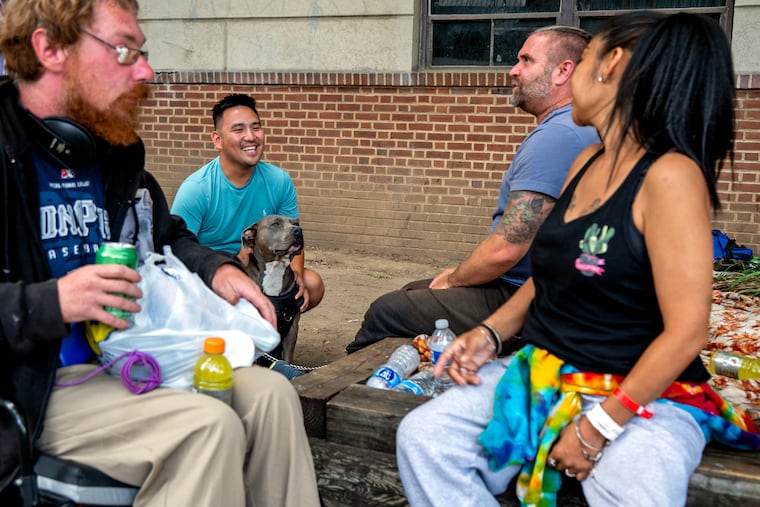
But having fewer people in poverty doesn’t mean there are none who are struggling in the suburbs. More than 180,000 people across Bucks, Chester, Montgomery, and Delaware Counties live below the poverty line, yet for too long, experts say, those communities have underserved those in need.
Recently, however, suburban leaders have been stepping up their efforts to help those with low incomes. It’s a heartening and welcome shift in attitude.
Poverty is not solely a big-city ailment. With median incomes in Bucks, Chester, and Montgomery Counties nearly twice what they are within Philadelphia, it’s very difficult for poor and working-class people to maintain a suburban lifestyle.
That is especially true when it comes to issues of land use and transportation policy, which experts often treat as intertwined.
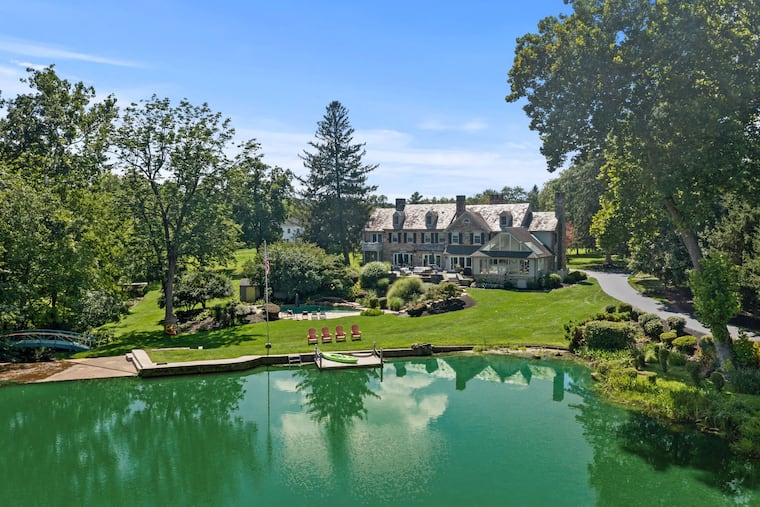
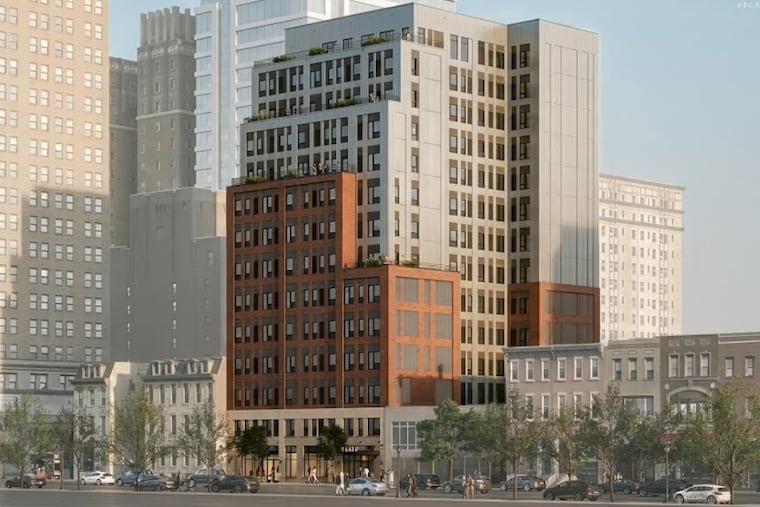
In the suburbs, the vast majority of developable land is zoned for detached, single-family homes on large lots, and nearby transit options are often both slow and infrequent. The result is that median housing values in Bucks, Montgomery, and Chester Counties range between $432,000 and $476,000, compared with roughly $250,000 in Philadelphia. Delaware County, which is home to both more suburban areas like Swarthmore and urbanized municipalities like Chester and Upper Darby, splits the difference at $331,000.
This so-called snob zoning doesn’t just prevent poor, working-class, and sometimes even middle-class people from moving into or remaining in many suburban areas; it also makes it harder to get around without a car, which raises the cost of living. While a monthly transit fare card costs between $1,400 and $3,000 per year, AAA estimates the average cost of car ownership is about $12,000. While roughly three-quarters of households in Philadelphia typically don’t have more than one vehicle, most suburban households have two or more. Between the cost of housing and the cost of transportation, that’s an average of more than $60,000 per year just to get by and around.
The de facto suburban gatekeeping essentially compels low-income people to choose to live in the city — a reality that has allowed past suburban leaders to lean into the widely held perception that poverty is a Philadelphia problem. In effect, economic researchers say, that’s meant the suburban poor have basically been left to fend for themselves.
Thankfully, there are signs that things are beginning to change.
In Montgomery County, Commissioners Jamila Winder, Tom DiBello, and Neil Makhija have demonstrated a strong bipartisan commitment to address housing needs.
While the county had zero full-time homeless shelters by the end of 2024 — even as the number of unhoused people grew — the commissioners have invested in an additional 190 short-term shelter beds, split between Pottstown, Norristown, and Lansdale. The commissioners should be commended for doing right by the wider community, even as they faced opposition from some constituents who did not want shelter space available.
The commissioners have also attended community meetings to lobby in favor of housing plans. Makhija has also proposed creating a new grant system that would reward municipalities that opt to allow for more construction. This would help address reasonable concerns about the infrastructure needs of new residents.
There is evidence that efforts to build more inclusive and sustainable suburbs have broadened support. Three of the five new Lower Merion Township commissioners mentioned walkability or pedestrian safety as priorities; Joi Washington — the new mayor of Media — wants to take advantage of her borough’s exceptionally strong transit connections; and Delaware County opened its first-ever health department four years ago.
Leaders from all four suburban counties have also pledged support for new sources of revenue to support public transportation in the region, and Chester County has become a leader in housing development.
If these efforts succeed, a future where poverty is no longer concentrated within Philadelphia — and the poorest can access the support they need, no matter where they live — may be within our grasp.

Inquirer Opinion Newsletter