There is no room for error — Harrisburg must fund public transit in Pa. now | Editorial
The sense of urgency about reaching a funding deal to help SEPTA and the rest of the state’s 57 transit agencies is palpable seemingly everywhere but in the state capital.

The Pennsylvania state budget was due June 30.
We’ll do the math for you: It’s late. Very late. But while the pressure is mounting to approve a spending plan that will unlock needed dollars for schools and local governments across the commonwealth, it is essential that the General Assembly and Gov. Josh Shapiro forge a compromise that does not leave transit agencies behind.
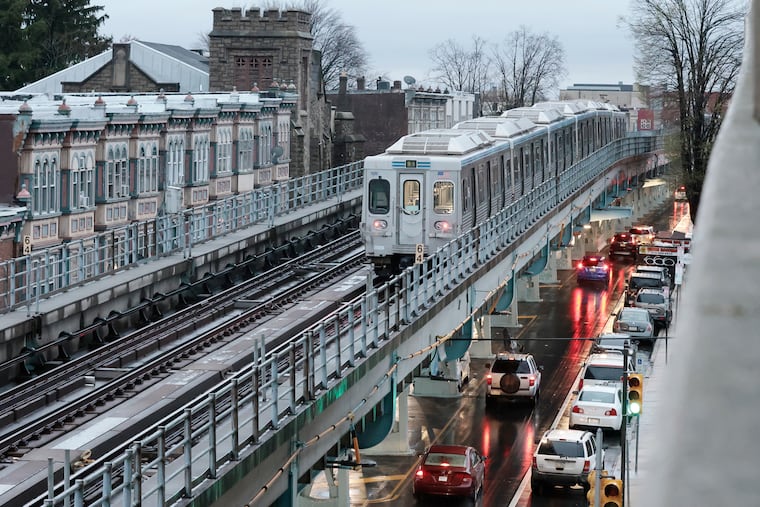
Unless lawmakers find a way to provide needed funding for public transportation, SEPTA users will face a drastically different system — with dozens of bus routes eliminated and longer waits for trains — starting Aug. 24.
That deadline, more than two weeks away, would appear to give legislators time to act, but SEPTA officials said Wednesday the agency must have word on state funding by Aug. 14. Once new schedules are programmed into the system — which takes at least 10 days to implement — it will become increasingly costly to reverse them.
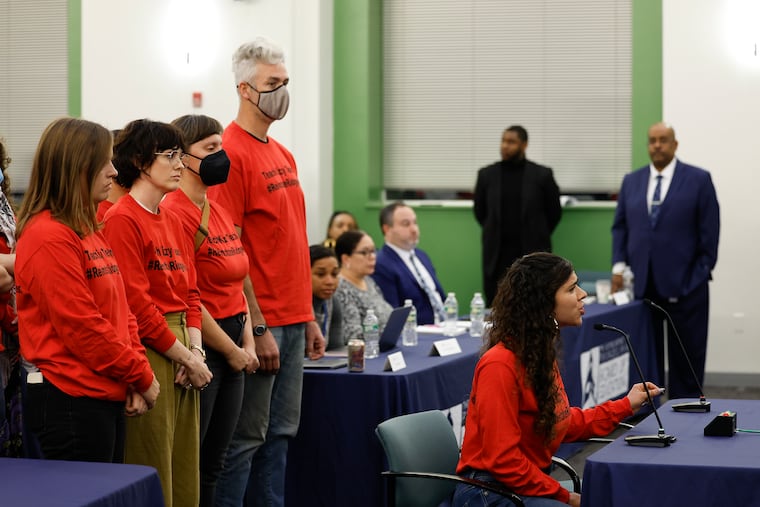
This board has written extensively on the need to properly fund SEPTA and the rest of the state’s 57 transit agencies. Passengers from across Pennsylvania have made their needs clear. Business executives have stressed the economic necessity of trains and buses. Unions and community organizations have pushed for an adequate solution. SEPTA has agreed to strict accountability measures and shrunk its total request from $240 million in 2023 to $213 million today, a remarkable feat given inflation.
» READ MORE: Without a robust public transit system, Philadelphia just doesn’t work | Editorial
Nearly everyone seems to understand that unless something is done soon, the proposed SEPTA cuts would forever alter Greater Philadelphia — and likely stall Pennsylvania’s economic engine.
That sense of urgency is palpable seemingly everywhere but in Harrisburg.
After spending most of the week golfing and hobnobbing, state Senate Majority Leader Joe Pittman has finally called his caucus back to work on the state budget. With Shapiro having made his proposal, and the state’s House of Representatives having passed a compromise package, it is up to Pittman to end the impasse.
Philadelphia’s delegation should speak with a unified voice. They must urge Pittman to allow a vote on funding. Many political observers expect that transit systems would win such a vote with a bipartisan majority, just like they have in the House. The entire city delegation should also pledge to vote down any budget compromise that fails to adequately fund transit.
Regrettably, the most feasible solution for transit funding appears to be taxing so-called games of skill, slot machine-like devices that have come to dominate convenience stores, bars, pizza parlors, and fraternal organizations across the state.
The proliferation of these machines is a net negative for Pennsylvania. While officials in some states, such as Kentucky, have made the right choice to ban the machines, Harrisburg lawmakers have allowed skill games to operate with total impunity here. The machines are untaxed and unregulated, and like all other forms of gambling, exploit the commonwealth’s neediest residents most.
» READ MORE: Harrisburg must properly fund public transportation — SEPTA is too important to fail | Editorial
If legislators are unwilling to ban skill games outright, any tax rate that’s imposed on the machines should be as high as possible.
According to the Access Harrisburg database, Operators for Skill, a political action committee representing the interests of the skill games industry, has given hundreds of thousands of dollars in donations to Harrisburg politicians in just the last two years. Recently, it has also reportedly engaged in hardball tactics, raising the ire of some GOP leaders.
Despite this, some Senate Republicans have expressed a reluctance to heavily tax and strictly regulate the machines, citing their impact on the small businesses and social clubs that host them.
A more sensible funding option — the legalization of recreational marijuana in a state where most of its neighbors have already done so — seems to have been taken off the table.
However lawmakers arrive at a compromise on transit funding, the fact that the legislature has allowed Southeastern Pennsylvania’s economic fate to come so close to the edge of disaster should frustrate every voter.
If no funding deal is reached and transit collapses, every legislator who votes for an inadequate budget should be held accountable for such a monumental failure of leadership.

The transit cuts proposed due to a financial shortfall would be a setback to the entire region — and state.
Read more from Inquirer Opinion:
- Harrisburg can't afford to let SEPTA fail | Editorial Board
- I wouldn't be here without public transit | Daniel Pearson
- Despite our complaints, SEPTA is actually efficient | Alan Fisher
- We deserve transit investment, not just survival | Jay Arzu
- SEPTA cuts would make our air dirtier | Christine Knapp
- Masterman students could lose a lifeline if services are cut | Leila Golzari-Hunt and Olivia Kang
- How SEPTA cuts could affect Pennsylvanians | Daniel Pearson
- Transportation in Pennsylvania is a bipartisan issue | Mark Schweiker and Ed Rendell