No budget, no pay: Missing deadlines should not be cost-free for intransigent Pa. legislators | Editorial
While the General Assembly dithers, schools are tapping into reserves or taking out large loans to keep their doors open.
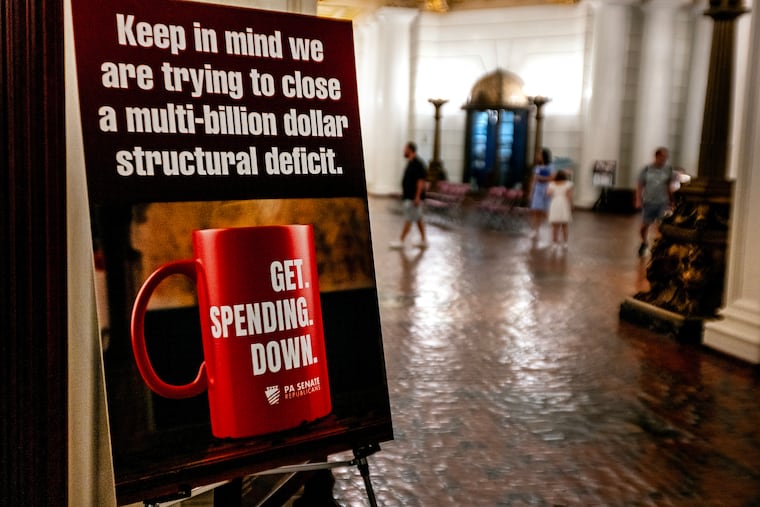
In what is becoming an annual delay, nearly three months after the June 30 deadline, Pennsylvania still does not have a budget.
State leaders need to hash out their differences, move forward, and institute penalties to ensure dysfunction doesn’t become tradition at the expense of state-funded services like schools and libraries.
The continuing impasse is particularly frustrating given the apparently small scale of disagreement.
More than a month ago, state Senate Majority Leader Joe Pittman publicly professed support for a budget of more than $49 billion. Gov. Josh Shapiro’s most recent public proposal, which was also supported by state House Majority Leader Matt Bradford, came in at $49.9 billion. In the interim, the contentious issue of transit funding — roughly $300 million per year — has been taken off the table.
Yet, despite this sacrifice of a key Democratic priority, a deal remains elusive.
Driving the divide is the fact that Pennsylvania has a structural deficit. The commonwealth spends more money than it brings in, with $46.4 billion worth of revenue compared with $49.9 billion in Shapiro’s last public proposal.
The governor and his Democratic allies insist the spending is worth it, given the needs across the state and the more than $10 billion in combined reserves. Republicans have vociferously disagreed, and — because of their majority in the Senate — the impasse has left a new state budget in limbo.
Still, while Senate Republicans deserve the lion’s share of the blame for the missing budget, they are not alone. House Democrats have also made it harder to finalize a deal and bridge the structural deficit by dithering over proposals like their dead-on-arrival plan to legalize recreational marijuana.
Given the stakes of this budget fight, wasting time and energy on an unworkable scheme to sell marijuana in Pennsylvania State Stores — which would have required spending an uncertain amount of start-up money and possibly running afoul of federal law — was an unforced error.
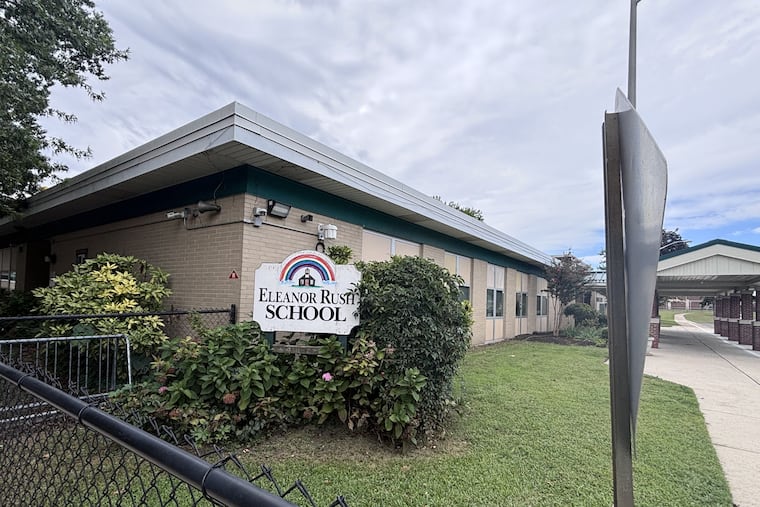
Meantime, while the General Assembly spins its wheels, schools are tapping into reserves or taking out large loans to keep their doors open. The Philadelphia School District alone missed out on more than $300 million in payments from the state while budget talks continued through July and August.
One way to help ensure all parties are sufficiently motivated to produce a budget in the future would be to withhold pay for the state’s political leaders while the spending plan remains outstanding. The governor, legislators, and top staff should all be forced to make the same financial decisions as the schools, nonprofits, and local governments they’ve failed to provide for.
State Rep. Jim Haddock of Luzerne County has a bill that would freeze compensation until a budget is signed. New York has a similar law on the books, and California has withheld pay over budget impasses in the past.
As this year’s delay makes clear, there may be no amount of public pressure that can convince state legislators to act. Maybe a hit to their pocketbooks can help them better empathize with those who are suffering from their intransigence.