It’s official: SEPTA cuts will be reversed next week, following PennDot approval
“I want to again emphasize that the one-time use of SEPTA’s capital assistance allocation is not a long-term or sustainable solution to SEPTA’s budget crisis,” PennDot Secretary Mike Carroll wrote.
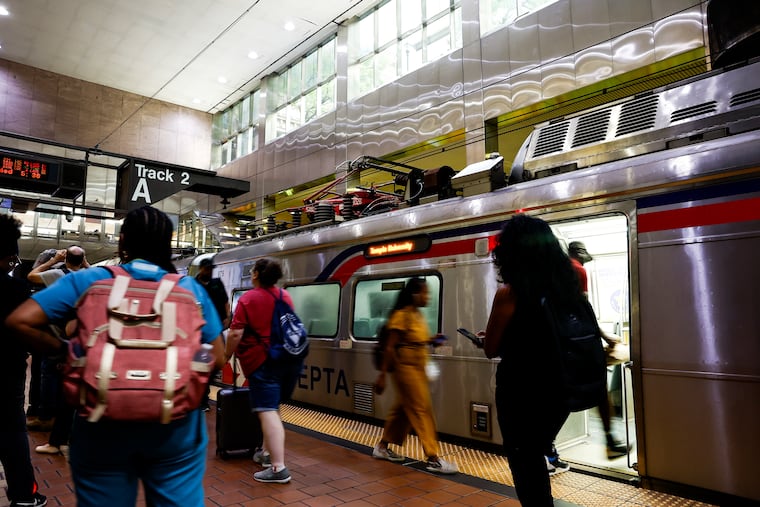
HARRISBURG — SEPTA says full service will resume next week following a one-time $394 million infusion from the state that will allow the public transit agency to reverse 20% cuts imposed in late August.
Gov. Josh Shapiro’s administration on Monday approved allowing SEPTA to spend state-allocated funds for capital projects on operating expenses over the next two years.
In a letter sent Monday, state Department of Transportation Secretary Mike Carroll agreed to transfer the funds, a move that SEPTA formally requested last week.
» READ MORE: SEPTA sets date to restore service as the agency seeks permission to use capital funds
The move will give SEPTA temporary relief from a $213 million operating budget deficit that its leaders have said forced the deep cuts, which brought several days of turmoil.
Yet a more lasting solution to mass transit’s funding challenges will be deferred.
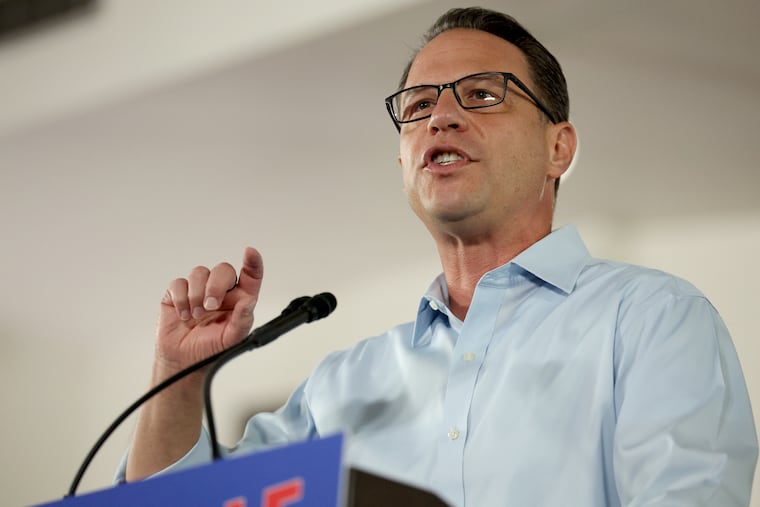
“Listen, I think we have come to the conclusion here that the Republicans who are in the majority in the state Senate were unwilling to pass recurring revenue,” Shapiro told reporters Monday after an event in Philadelphia.
The harsh effects of SEPTA cuts were untenable, Shapiro said, adding that the struggles of public school students “really tugged at me.” Some 63% of Philadelphia schools reported more late arrivals than normal and 50% reported higher absentee rates, the governor said.
» READ MORE: SEPTA cuts made Philly schools’ attendance tumble significantly
It was not immediately clear what SEPTA infrastructure projects could be affected by the shift. Officials were working to determine that, spokesperson Andrew Busch said.
Leaders in Harrisburg have spent months arguing to no avail over how to fund public transportation, as transit agencies across Pennsylvania face similar budget shortfalls that require additional state funds for them to avoid service cuts and fare increases.
House Democrats, Shapiro, and Senate Republicans were unable to agree on a stable funding solution for transit. And the leaders still have yet to agree on an overall state budget, now more than two months past due.
Carroll said SEPTA’s request to tap into its capital funds for operation is “both predictable and rueful.”
He cited a refusal by Senate Republicans to “agree on a long-term solution that provides certainty and does not also unfairly raid mass transit capital dollars for unrelated expenditures,” such as repairs and maintenance on rural roads.
Carroll approved the waivers requested by SEPTA and Pittsburgh Regional Transit to draw capital dollars from the Public Transportation Trust Fund, which the state uses to provide both operational and infrastructure money to transit agencies.
The fund has $2.4 billion in it, though Carroll previously testified before a House committee that “every single dollar” in the fund “has an expected use.”
Senate Republicans last month passed a bill to require SEPTA and transit agencies across the state to tap into PTTF capital accounts for the next two years while lawmakers looked for a longer-term solution. The Senate proposal, approved along party lines last month, also diverted $419 million from transit capital funds to rural road and bridge repairs, which Democrats and SEPTA opposed.
Senate Majority Leader Joe Pittman (R., Indiana) said the waiver, by using existing funding, was “investing in transit in a responsible manner” because it does not divert money from the state’s general fund and won’t jeopardize any capital projects.
“It is our hope that over the next two years SEPTA and PRT ... implement reforms and efficiencies to help ensure their long-term viability.”
SEPTA had already been ordered by a Philadelphia Court of Common Pleas judge last week to halt its service cuts, after a consumer advocate and two SEPTA riders sued, arguing that the cuts disproportionately impacted marginalized groups and thus, violated their constitutional rights.
Following the court order — and in the absence of any additional state funds — SEPTA General Manager Scott Sauer requested that PennDot approve a one-time waiver to use its capital funds for operating expenses because the transit agency was being “required to continue to provide a level of service that is unsustainable without further operating funds,” Sauer wrote.
“It was our hope that the Legislature could come to an agreement and pass into law Gov. Shapiro’s plan to increase recurring revenue and find a long-term solution for SEPTA,” Sauer wrote Friday. But, “given the legislative delay, and increasing fiscal pressures, we are faced with no other option.”
Sauer said last week that if its request was approved, SEPTA could restore service beginning Sept. 14. A 21.5% fare increase is still expected to go into effect.
Shapiro, a Democrat, had proposed increasing the share of state sales tax revenue that is allocated to public transit, which House Democrats approved five times over the last few years. Republicans opposed the idea, arguing that all of the state’s sales tax revenue is already allocated and would ultimately result in an increase for taxpayers.
SEPTA, the nation’s sixth-largest public transportation system, currently receives about $1 billion in operating assistance from the state.
Staff writer Kristen A. Graham contributed to this article.