The World Cup is in Philadelphia. So far, the city is delivering. | Editorial
The world’s biggest sporting event isn’t finished yet, but the City of Brotherly Love and Sisterly Affection has made its case — with quiet competence and genuine hospitality.
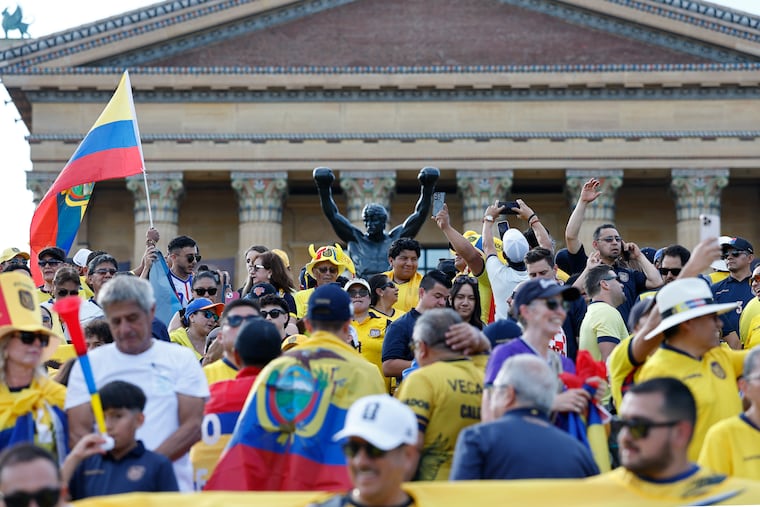
After years of anticipation, the World Cup has finally come to Philadelphia, and the city is rising to the occasion.
The FIFA Fan Festival, located at Lemon Hill in Fairmount Park, has free admission and is open daily. During Mexico’s 2-0 win over South Africa in the tournament’s opening match, Mayor Cherelle L. Parker watched and celebrated there alongside fans of El Tri.
The city’s sizable contingent of Mexican Americans made the stretch of grass their own, but they weren’t the only ones. According to the Philadelphia Visitor Center, more than 100,000 people visited the fan festival over the four-day opening weekend. Attendees have given the experience positive reviews, with one notable exception: bike parking, which has been scarce despite officials urging visitors to leave their cars at home.
Also, a success was opening night at Lincoln Financial Field, which has been renamed Philadelphia Stadium for the tournament. While fans of Ecuador left disappointed after their team’s 1-0 loss against Côte d’Ivoire, they could quickly make their way to one of the city’s bars — some of which won state approval to stay open until 4 a.m. during the World Cup — to drown their sorrows.
Not so in places like Boston or New York City — two of the other 11 American cities selected to host tournament matches — where officials have resorted to closing major streets near transportation hubs to accommodate the crowds. Those cities have also dealt with extensive gridlock.
The various efforts to fight North Jersey congestion still left some fans waiting for a ride home well after midnight. Spectators at other World Cup sites also faced steep costs for using mass transit, with New Jersey charging $98, and Massachusetts charging $80 for the train and $95 for the bus.
In Philadelphia, however, costs are far lower for fans. Getting to a match via the Broad Street Line doesn’t require any charges beyond the system’s usual one-way fare — $2.90. And, thanks to a sponsorship agreement with Airbnb, rides back to Center City are free beginning at halftime and continuing until two hours after the match concludes.
While SEPTA is operating additional service to support games at the sports complex and the fan festival, that has not come at the expense of trips for anyone else. Per SEPTA, roughly 19,000 people used NRG Station to get home from the game.
» READ MORE: Trump’s war of choice in Iran ends with humiliating concessions | Editorial
National media outlets have taken note of Philadelphia’s moment — no small thing for a city accustomed to skepticism. The Washington Post praised the city as a model of affordability and access. Inquirer soccer writer Jonathan Tannenwald has detailed how Philadelphia became the envy of fans from across the country, thanks to a yearslong fundraising and organizing campaign.
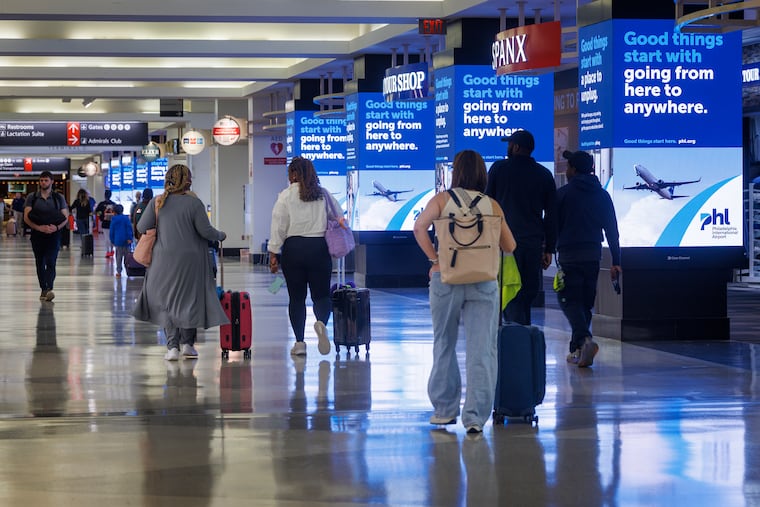
Given this effort and the city’s comparatively straightforward mass-transit situation, it is worth wondering why FIFA did not award more games to the Delaware Valley. There are just six matches scheduled in the city, as compared with nine in Dallas, and eight in Atlanta and New Jersey. All have experienced the kind of regional congestion woes we have so far avoided here in Philadelphia.
That said, it hasn’t all been kudos. Those who live closest to the Fan Festival in Fairmount Park have borne the brunt of the match-day fallout during the festivities so far. Residents have complained about noise, traffic from road closures, dangerous motorists, and hiccups with the temporary parking permit system, with four vehicles mistakenly towed.
With the festival running through July 19, city officials should work to mitigate these issues, perhaps by putting up sound barriers, installing no parking signs in the surrounding neighborhoods, and stationing police near streets that have seen an uptick in reckless driving.
It is likely impossible to host a major event like the World Cup without any negative impacts, but Philadelphians can be proud that, so far, we’ve shown the world our best face.