From Spotify to Avelo, economic pressure is melting ICE — but we can do more
The success of boycotting corporations supporting immigration raids is an economic road map for stopping Trump’s abuses.
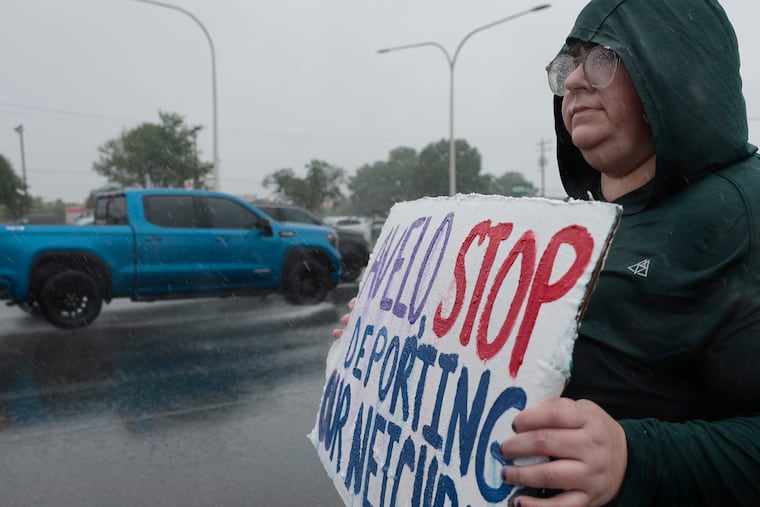
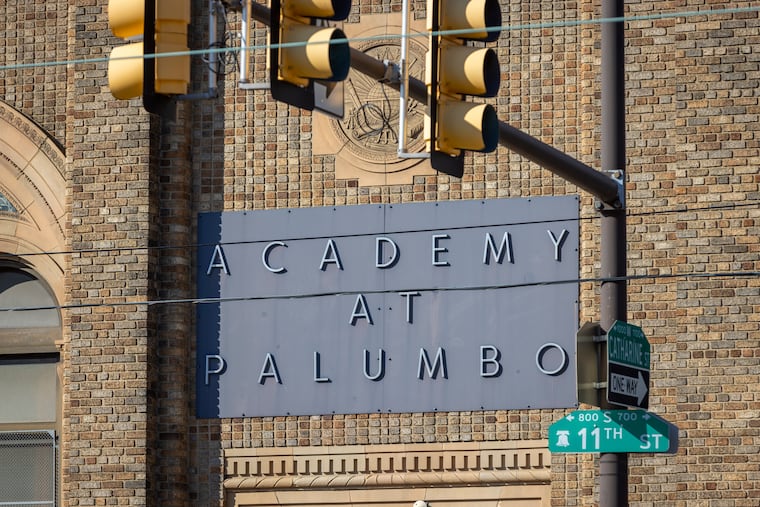
When the Rev. Jack Perkins Davidson and other parishioners in his socially active Spring Glen Church in Connecticut learned last year that budget carrier Avelo Airlines — with a major hub at nearby Tweed New Haven Airport — was also operating U.S. government deportation flights, the pastor kept thinking about one thing.
What would the Rev. Dr. Martin Luther King Jr. do?
Davidson said King’s 1955 Montgomery bus boycott against segregation — the iconic protest that launched the civil rights movement of the mid-20th century — was an inspiration as he and a coalition of activists pressured Avelo to stop aiding U.S. Immigration and Customs Enforcement and its mass deportation campaign.
“I often think about how the Montgomery bus boycott was a very local action, but it became national news,“ Davidson told me by phone recently. ”Sometimes when I feel so overwhelmed by the state of the world, I take hope in that example — that acting in the local level is a way to create national impact.”
Davidson and his congregation’s allies, like Connecticut Students for a Dream and the New Haven Immigrant Coalition, spent nine months pressuring Avelo to drop ICE — staging noisy protests, but also doing what the minister called “the unglamorous work” of gathering petition signatures and attending airport board meetings. Last summer, New Haven’s mayor signed their petition as the city banned official travel on Avelo.
The Connecticut crusaders were joined by activists at other Avelo hubs, including Wilmington. It’s impossible to know exactly how much boycotting air travelers hurts the bottom line of the private, Texas-based corporation, but earlier this month, Avelo made a U-turn. A spokesperson said the airline would halt working with ICE, which “ultimately did not deliver enough consistent and predictable revenue to overcome its operational complexity and costs.”
Avelo’s exit from the ugly business of flying often handcuffed and shackled migrants out of the United States was a huge win for the growing movement against the Trump regime’s mass deportation raids — but it was not an isolated incident.
In recent days, the leading music streamer Spotify announced it was no longer running recruitment ads for new ICE agents. The spots urged would-be applicants to “fulfill your mission to protect America,” but sparked outrage among listeners opposed to the agency’s masked goons and its violent raids that have roiled cities from New Orleans to Minneapolis.
As with Avelo, Spotify’s ties to ICE — the U.S. Department of Homeland Security paid the Swedish-based streamer $74,000, according to Rolling Stone — sparked a nationwide campaign for a boycott that was led by Indivisible, a leading organizer of the massive “No Kings” protests.
Thousands canceled their paid subscriptions, and some artists pulled their music from Spotify to protest both the ICE ads and the company’s ties to a defense contractor.
These economic wins come amid a deadly and chaotic start to 2026 that has battered America’s already damaged national psyche. The stunning Jan. 7 Minneapolis murder of Renee Nicole Good, a 37-year-old poet and mother of three, by an ICE agent has only upped the anxiety and the stakes.
Tuesday night, the shooting of a Venezuelan refugee by federal agents in north Minneapolis triggered a chaotic night of protest that has Donald Trump now threatening to invoke the Insurrection Act and send in troops, escalating a constitutional crisis.
Although the immigration raids are exactly what Trump promised the nation before his narrow 2024 election victory, Good’s murder and daily viral videos of federal agents smashing windows or flash-banging peaceful citizens have turned a majority of Americans against ICE and everything it stands for.
A new Quinnipiac Poll released this week showed that 57% of Americans now disapprove of the way ICE and other federal agencies are enforcing immigration laws, with 53% saying Good’s killing was not justified. A separate Economist/YouGov survey found respondents favoring the abolition of ICE by a 46%-43% majority — a first for that political hot-button question.
» READ MORE: Minneapolis ICE murder is Trump’s Waterloo in America’s war for the truth | Will Bunch
So, as you can imagine, in a healthy functioning democracy like the United States, the opposition party Democrats are forming a united front in working to abolish ICE, including the withholding of money in the latest budget battle on Capitol Hill, right?
Right?
Um, not exactly. To be sure, Good’s murder and the appalling scenes in Minnesota have triggered a more radical response from some Democrats, including more than 50 members, so far, who’ve signed on for the impeachment of DHS Secretary Kristi Noem. But many in Congress are insisting ICE can somehow be reformed — including an utterly bizarre proposal to put scannable QR codes on immigration agents so the public can identify them. It’s an echo of the tepid reform ideas that failed to stop police brutality after George Floyd’s 2020 murder.
“Clearly, significant reform needs to take place as it relates to the manner in which ICE is conducting itself,” House Minority Leader Hakeem Jeffries of New York told MS Now on Tuesday night — minutes before agents in Minneapolis reportedly shot a flash-bang grenade into a moving car and injured six children, including a baby.
You don’t significantly reform the brand of fascism that we can all see on the icy streets of the Twin Cities. You fight it like the existential crisis for American democracy that it is. Millions of everyday Americans are both feeling that urgency and dismayed that the institutions they thought would oppose autocracy — Congress, the media, the U.S. Supreme Court — aren’t standing with them.
No wonder people are fighting with the only real ammunition they have under late-stage capitalism: their dollars.
Nearly one year into the second coming of Trump, many of the major victories by citizens resisting his regime have come through the fingertips of everyday folks clicking on a “cancel” button.
The best-known example came last summer when Disney-owned ABC briefly suspended late-night host Jimmy Kimmel in a flap over some (fairly tame) comments he made after the assassination of right-wing activist Charlie Kirk. The network raced to put Kimmel back on the air after the cancellation rates for two lucrative Disney-owned streaming services, Disney+ and Hulu, doubled. And Disney recently extended the contract of Trump’s least-favorite comic by another year.
Other economic pressure campaigns have badly damaged U.S. brands without getting results … yet. The best example is the giant retailer Target, whose decision to end its diversity initiatives after Trump’s inauguration sparked calls for a boycott by prominent Black activists and some labor unions. Since then, foot traffic at Target stores has dropped (while increasing at more “woke” rival Costco), and the stock price of the Minnesota-based company has plunged by 33%.
This hasn’t yet inspired Target’s management to fully restore its diversity initiatives, and it more recently has angered some activists by insisting it has no power to stop ICE agents from using its parking lots and even entering its stores to make arrests. None of this should deter the public from keeping the pressure on Target.
The weeks of Minnesota mayhem have focused attention on a new corporate bête noire: Hilton Worldwide Holdings. Two of the hotel chain’s properties in Greater Minneapolis have been the scene of noisy, all-night protests after reports that out-of-town ICE agents are staying there. And Hilton further infuriated activists and sparked calls for a boycott by delisting a third Minneapolis hotel after an employee said ICE was not welcome.
I will not stay at any Hilton hotel as long as the company thinks it’s OK to host masked thugs who are snatching laborers off the street and shooting or tear-gassing anyone who objects to that, and I hope you would consider doing the same.
As New Haven’s Davidson rightly said, using economic pressure to end injustice takes time and hard work that isn’t always glamorous or made for the cable-TV cameras. Some 71 years ago in Montgomery, Ala., the King-led bus boycott took 381 days and a lot of sacrifice from unsung heroes like Claudette Colvin, who died this week at age 86, and working-class Black people who walked or carpooled to their jobs until claiming victory.
The bottom line has not changed since MLK’s time. The color that matters most to corporate America is the color of money. The pursuit of profit is why cowardly law firms or TV networks like CBS are aiding American dictatorship instead of fighting it. But it’s also what makes them reverse course when they realize that hate is actually bad for business in a consumer society.
Boycotts aren’t the only solution, but in a world where feckless institutions have given up, they have become an essential tool. Spend your dollars with any company that still believes in a decent, diverse America, and put the collaborators out of business. Consider it an early birthday present for Dr. King.

Sign up for the Will Bunch Newsletter