Trump’s Department of Justice sues Pennsylvania for voter roll info that the state says risks voters’ privacy
The Justice Department, led by Attorney General Pam Bondi, says Pennsylvania Secretary of State Al Schmidt violated federal law by refusing to turn over voter data.
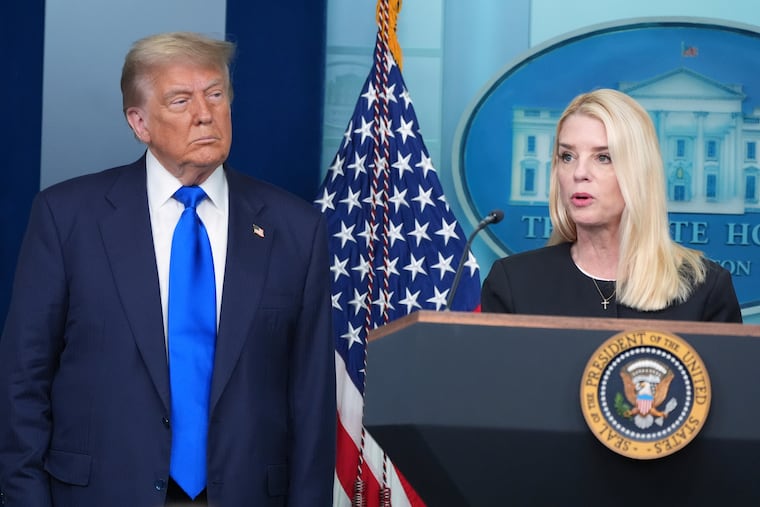
The U.S. Department of Justice on Wednesday sued Pennsylvania in an attempt to force the state to provide its full, unredacted voter registration database to the federal government.
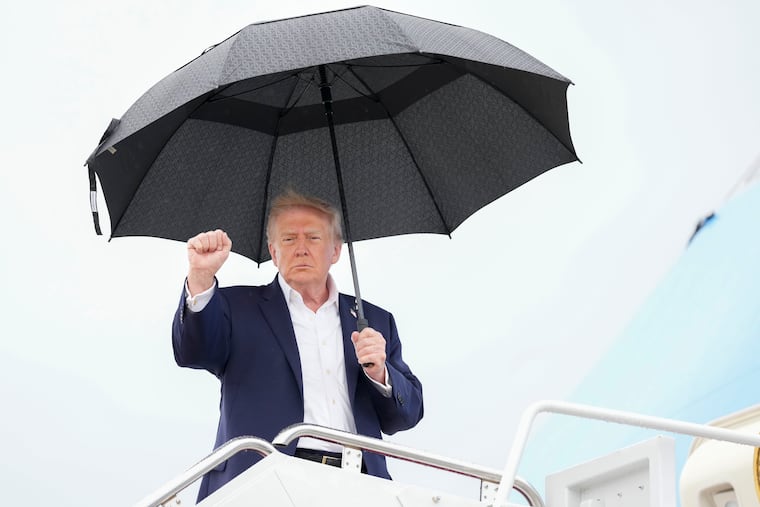
The suit, filed in Pennsylvania’s Western District court, targeted the Pennsylvania Department of State and Secretary Al Schmidt. President Donald Trump’s administration alleged that the state’s refusal to provide the data last month — which Pennsylvania officials said was to protect voters’ privacy — violated federal law and inhibited the DOJ’s efforts to ensure proper voting roll maintenance.
“Every state has a responsibility to ensure that voter registration records are accurate, accessible, and secure — states that don’t fulfill that obligation will see this Department of Justice in court," Attorney General Pam Bondi said in a statement announcing lawsuits against Pennsylvania, Michigan, Minnesota, New York, and New Hampshire. Last week, the agency brought similar suits against Maine and Oregon.
New Hampshire is the only Republican-led state facing a lawsuit.
Since June, the Justice Department has sent letters to election officials in dozens of states, demanding access to voter registration databases.
The vast majority of those states, both red and blue, rejected the requests or offered to provide the agency with the redacted voter files already available to the public, according to a tracker maintained by the Brennan Center for Justice.
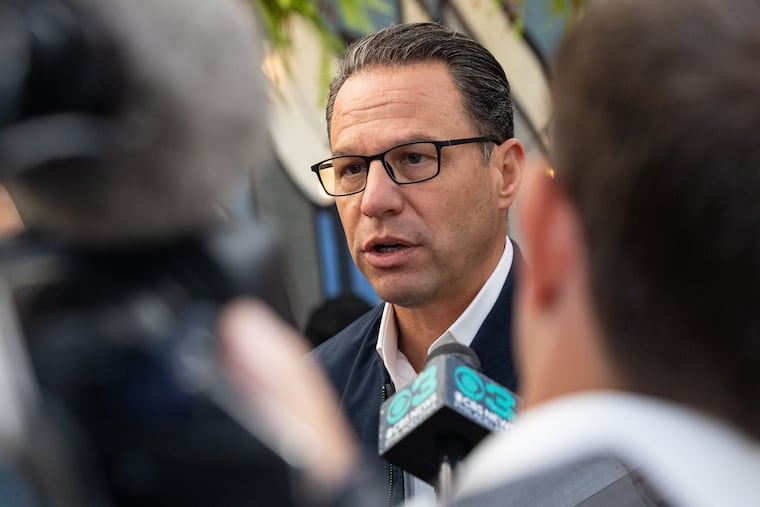
Schmidt, the Pennsylvania secretary of state, called DOJ’s request “unprecedented and unlawful” and promised to “vigorously fight the federal government’s overreach in court.”
“I have an obligation to protect the personal information that Pennsylvania voters entrust us with, and I take that obligation extremely seriously,” Schmidt said in a statement.
Last month Schmidt, an appointee of Gov. Josh Shapiro, rejected the DOJ’s written request for the information, saying the agency lacked legal justification to receive it. Providing the full database, he argued, would release the personal data of thousands of Pennsylvanians, in violation of state and federal privacy protection laws.
“This request, and reported efforts to collect broad data on millions of Americans, represent a concerning attempt to expand the federal government’s role in our country’s electoral process,” Schmidt wrote at the time.
He offered to give the DOJ the same voter roll records available to the public.
The federal inquiries have raised alarms among voting rights advocates and election law experts who argue they are an illegal effort to sow doubt in election security ahead of the 2026 midterm elections.
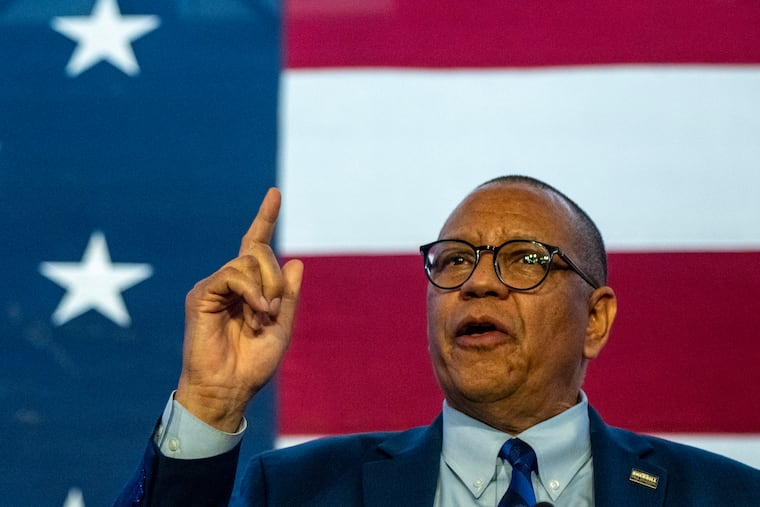
“This seems like an attempt to undermine the public’s confidence in the integrity of our elections,” said Lauren Cristella, the president of the Committee of Seventy, a Philly-based civic engagement group.
“Elections are controlled at the state level, and by the federal government dipping into the state’s operations of our elections, they are insinuating that there’s something wrong … even though there is no credible evidence.”
Trump has a long history of promoting conspiracy theories about illegal voting, including perpetuating the lie that the 2020 election was stolen from him. He has rewarded those who echo him with posts in his administration, including a well-known Pennsylvania election denier.
The data requests have also coincided with his efforts to influence the midterms, including a push for mid-cycle redistricting in Republican-leaning states and an announcement that he would seek to ban mail voting.
Earlier this year the ACLU of Pennsylvania threatened legal action if the state sought to provide the unredacted data to the federal government, citing state law that bars officials from sharing personal information such as driver’s license numbers and Social Security numbers.
David Becker, a former Justice Department attorney who founded the Center for Election Innovation and Research, said the lawsuits represented an unusual and troubling effort by the federal government to access the sensitive personal information of American voters.
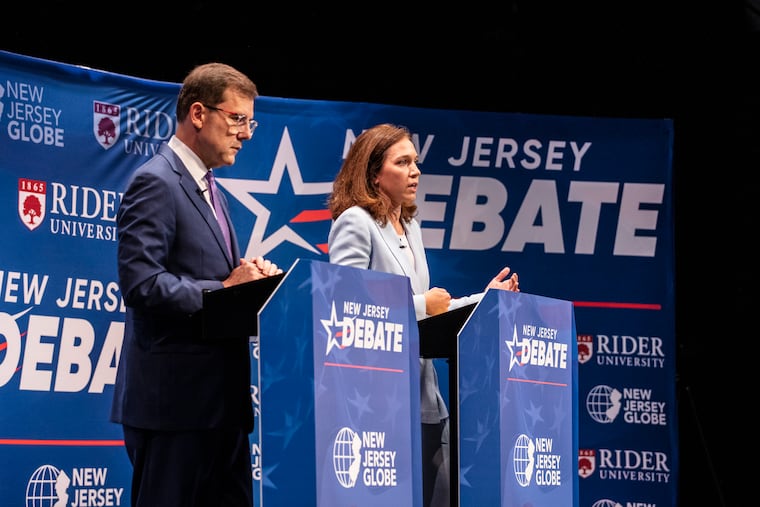
The requests come from an administration, Becker noted, that has had mass accidental data leaks and just this week released U.S. Rep. Mikie Sherrill’s entire military file, including her Social Security number, as she runs for governor in New Jersey.
The suits, Becker said, will give states the opportunity to prove their positions in court while forcing the DOJ to defend a weak case.
“I think states consider these lawsuits almost a gift at this point,” Becker said.
In its complaint, the Justice Department said Pennsylvania’s failure to comply with its request for voter information amounted to a violation of federal voting laws, including the National Voting Rights Act and the Help America Vote Act.
Both laws were designed to protect electoral integrity, the complaint says, including by requiring states to perform routine maintenance of voter rolls to remove duplicate or deceased registrants. The department said its request for records — including voters’ names, birth dates, addresses, and either driver’s license or Social Security numbers — was made to ensure that Pennsylvania’s procedures were in line with the requirements under those laws.
The publicly available records, the complaint says, ”do not include the … required unique identifiers requested by the Attorney General."
The complaint notes that the detailed information is already provided to the Electronic Registration Information Center (ERIC), an independent group that works with states to identify voters who may be registered in multiple states.
Information provided to ERIC, however, is offered in an highly encrypted format that can be used to compare data in a specific computer software but cannot be read by a human. The Justice Department’s requests did not ask for similar encryption.
In his letter last month, Schmidt argued the two federal laws did not require disclosure of personal information and the agency had provided no basis for needing that information to confirm the state was compliant with voter roll maintenance requirements.