All three Pa. Supreme Court justices are retained following a historically expensive race
The court will hold its liberal majority for at least two more years, retaining Justices Christine Donohue, Kevin Dougherty, and David Wecht through the 2026 midterms and ahead of the 2028 election.
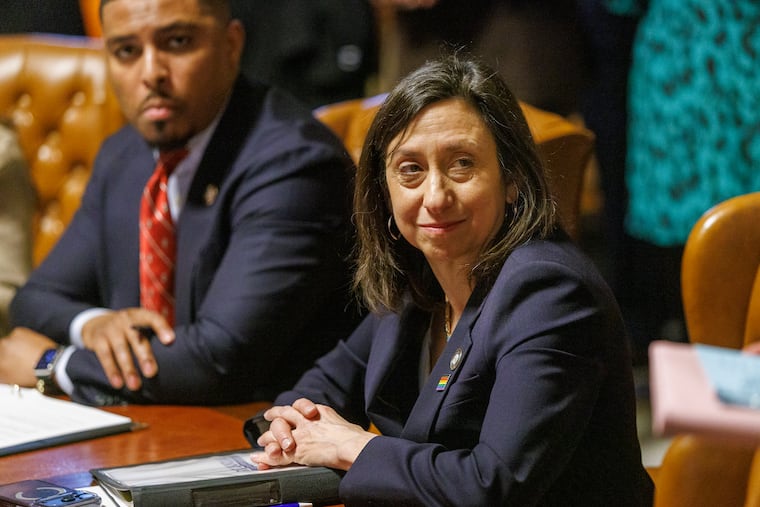
All three Pennsylvania Supreme Court justices on Tuesday’s ballot for retention will remain on the bench, following an unprecedented and closely watched retention election that eclipsed previous spending records as Democrats sought to protect the liberal judges.
Pennsylvania’s highest court will maintain its liberal majority for at least the next two years, retaining Justices Christine Donohue, Kevin Dougherty, and David Wecht through the 2026 midterms and ahead of the 2028 presidential election. During that time, the court will hear cases that affect the daily lives of Pennsylvania residents, on abortion access, voter access, mail voting law, and more. The Associated Press called the race at 9:53 p.m. Tuesday, less than two hours after polls closed.
The stakes of Tuesday’s judicial retention election were set up a decade ago by a convergence of factors. The three justices up for retention — Donohue, Dougherty, and Wecht — were each elected as Democrats in 2015 during a rare and transitional period for the court when Democrats took a majority. The 2015 election was the first time three seats were open at one time, in part due to resignations of disgraced former justices. Since then, Donohue, Dougherty, and Wecht have played decisive roles on the 5-2 liberal majority of Pennsylvania’s highest court.
The retention race — usually a sleepy, off-year affair — this year topped $16 million in ad buys and mailers, mostly from Democrats or aligned groups, to try to draw voters to the polls to protect the liberal majority they view as the last backstop to protect Pennsylvanians’ rights during an overreaching Trump administration. Republicans, meanwhile, saw the high-stakes race as what they called a “once-in-a-lifetime opportunity” to oust three liberal state Supreme Court justices in one election.
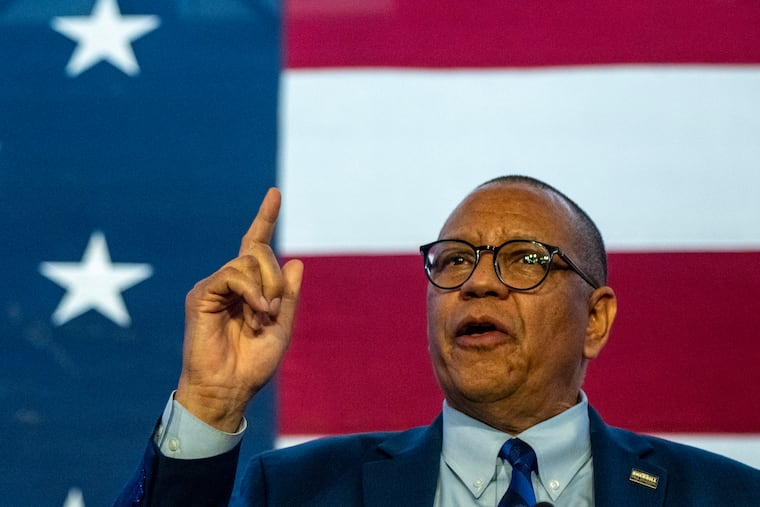
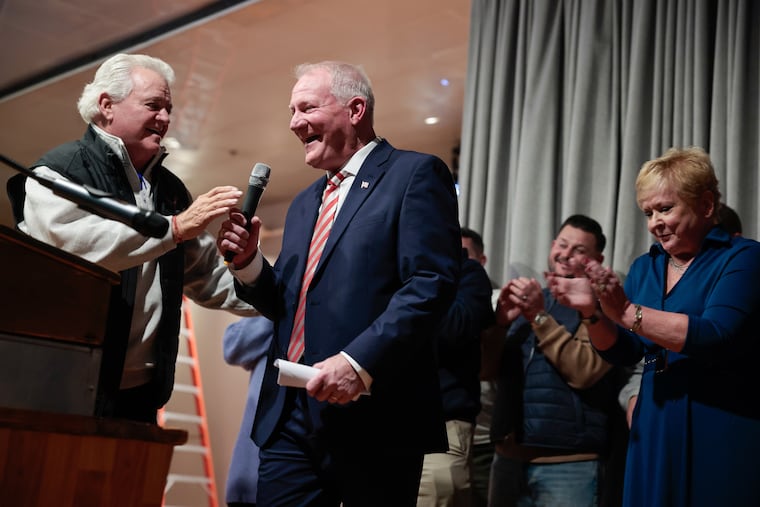
Around 10 p.m. on Tuesday, Dougherty, flanked by beaming family members and Philadelphia Democratic City Committee chair Bob Brady, addressed his supporters.
“I don’t know if you’ve heard, but we won,” he told the roaring room, referring to his fresh 10-year term.
Judicial retention elections in Pennsylvania traditionally attract little attention and little money. But Republicans viewed this year as an opportunity to overhaul the court, which has become an even more critical battleground under President Donald Trump as state-level courts hold sway over everything from abortion rights to congressional redistricting.
Only one justice has lost retention since 1968, when the current system was implemented. That justice, Russell Nigro, was ousted in 2005, unrelated to his rulings on the court but reflecting a larger referendum on Pennsylvania state government at the time.
While this year’s retention election was nonpartisan, Democratic groups and donors outspent Republicans 4-1, shelling out more than $13 million on ads reserved through Election Day to retain the three justices on the liberal-majority bench.
Throughout their retention campaigns, Dougherty, Wecht, and Donohue all protested the politicization of what was intended to be a nonpartisan “check” on whether they have upheld their oaths of office. Still, they appeared at fundraisers and in commercials and knocked on doors to ensure they kept their jobs.
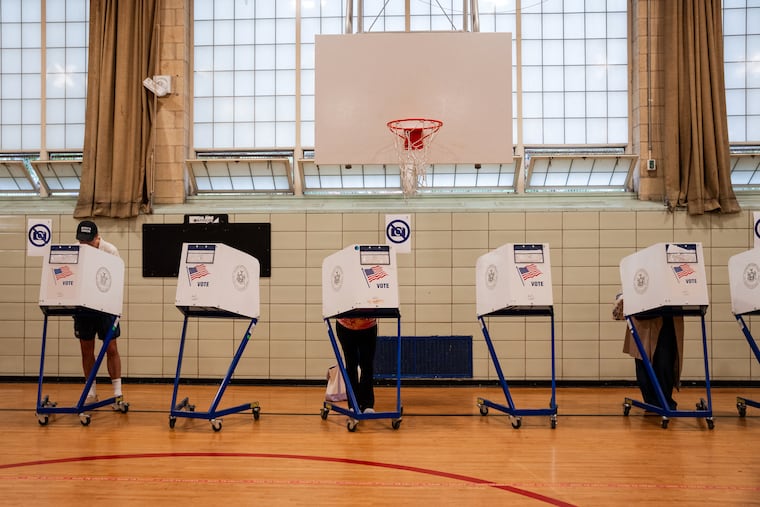
Those efforts resonated in South Philly, said Democratic ward leader Michael Sullivan. Turnout in his division was “extremely high,” with voters driven to the polls by the retention election.
The Republican push to “vote no” awoke voters, Sullivan said.
“Democrats countered that with TV advertisements and committee people got out, knocked doors, and got energized over it,” Sullivan added.
‘Democratic convictions are at stake’
The Pennsylvania Supreme Court’s decisions have had widespread influence on the lives of the state’s residents, including rulings on whose mail ballots should be counted under the law, whether cities can set their own gun laws, and shoring up the state’s constitutional rights for gender equality.
Some of those decisions fueled Republican groups’ attempts to oust the three justices and reshape the court ahead of the 2028 presidential election. GOP activists, some of whom are still angry with the court for its rulings on business closures and mail ballots during the COVID-19 pandemic, emphasized the three justices’ roles in those decisions as proof they needed to be booted from the bench, even if their seats could remain empty until 2027.
The GOP messaging got through to many Republican voters ahead of Tuesday’s election, with several voters citing their general discontent with the liberal court’s decisions over the last few years.
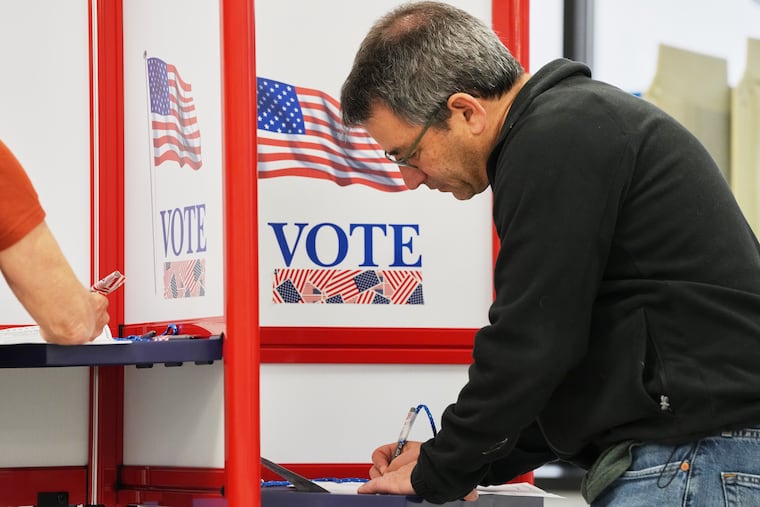
Nick Touni, 42, of Ridley Park, said he took his local Republican Party’s recommendation and voted against retaining the three justices.
“Change, I think, is necessary,” Touni added.
During the closely watched campaign, some GOP groups used language often used by Democrats to misrepresent or confuse independent voters and registered Democrats to encourage them to vote “no” in the low-information, off-year election. However, in light of the decisive vote in favor of retaining the justices, the efforts did not appear to be successful.
In Mount Airy, Marlon Reid, 45, voted to retain the judges, saying he had already seen negative impacts after SNAP benefits were halted at the beginning of the month due to the federal government shutdown. Reid, a financial counselor for HIV-positive women in Philadelphia, acknowledged that the three justices have little say over what happens at a federal level, but believed it was critical to retain them.
“Keeping the people that we have at the state judicial level feels like our only chance with everything that is going on,” Reid said.
Some voters said they headed to the polls Tuesday due to the issues likely to come before the Pennsylvania Supreme Court, such as voting rights or abortion access.
Winifred Gilbert, 78, of Chester, had an abortion when she was a teenager. Ever since then, she said, she has wanted to ensure other women have the same access.
“To think that my granddaughter might have less [reproductive] rights, that kills me,” said Maggie Stoeffel, 66, holding back tears outside her Chestnut Hill polling place. “Before, you didn’t even think about the judge’s party, but so much of our democratic convictions are at stake that it’s important to try and hold onto what we can.”
National attention
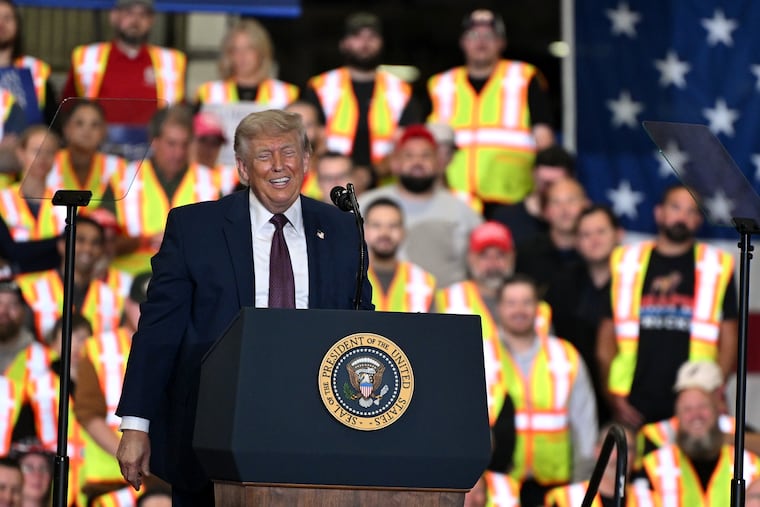
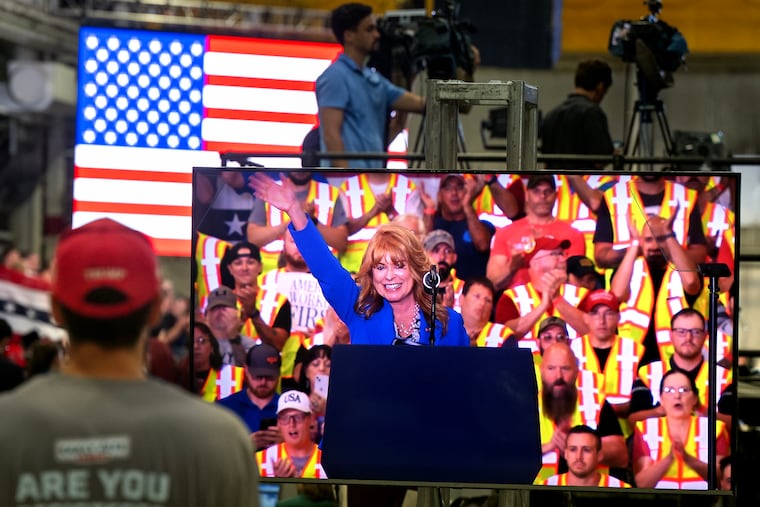
The election saw national attention, and Trump weighed in on the race at the 11th hour, encouraging Pennsylvania voters to vote “no” to keep the justices from serving another term and “bring back the Rule of Law.” He mentioned each justice by name and blamed them for their role in a 2018 redistricting case that he said on Truth Social on Sunday night led to his impeachment by the U.S. House. He also criticized the justices for their roles in mail ballot rulings and COVID-19-related closures in 2020.
“It is time for Justice,” Trump wrote. “Vote ‘NO, NO, NO’ on retention of these woke Judges.”
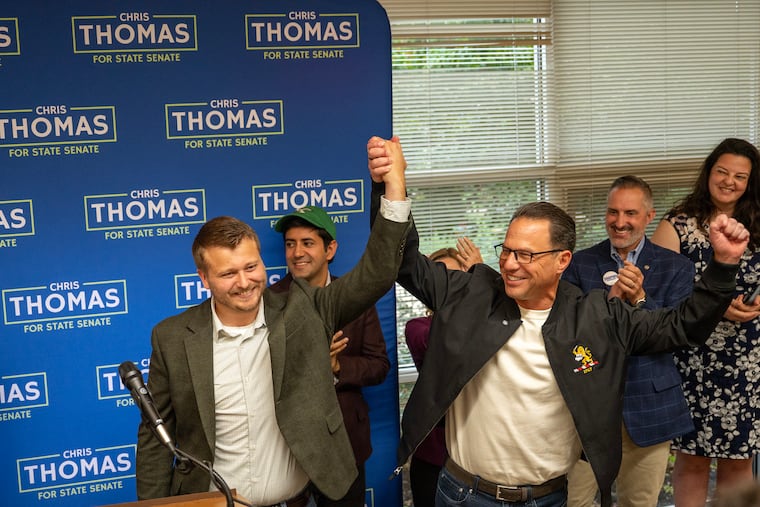
Democratic heavyweights, from former President Barack Obama to Gov. Josh Shapiro, all emphasized the importance of the election and asked voters to vote “yes” for the judges’ retention.
Shapiro celebrated their retention as a “resounding message by voters,” he said in a statement.
All three of the justices retained Tuesday have often sided with the liberal court majority’s rulings, though the justices frequently write individual dissenting opinions that represent where they disagree with a final opinion. Each of the justices was recommended for retention by the Pennsylvania Bar Association and had broad support from labor unions, Pennsylvania’s legal community, and out-of-state Democrats.
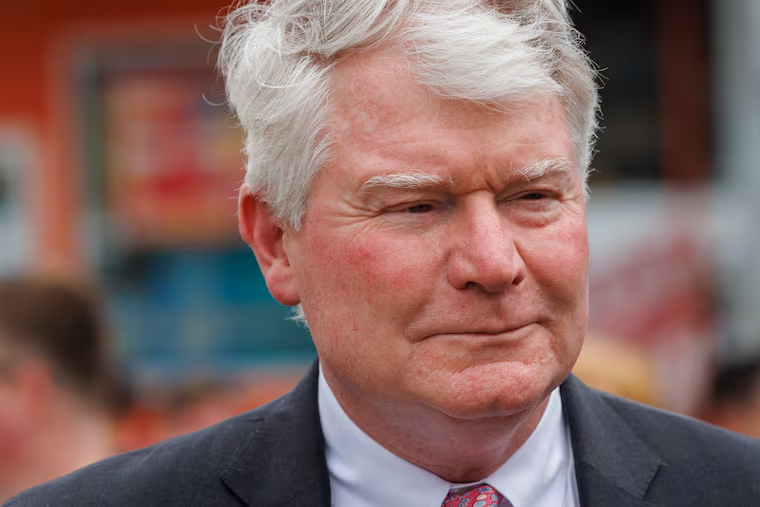
Dougherty — whose election to the court in 2015 was buoyed by the financial backing of his brother, convicted former labor leader John Dougherty — faced attacks from some GOP influencers throughout the retention election for his relation to his brother, as well as accusations from prosecutors during his brother’s federal trials that he accepted free services or goods paid for by embezzled union funds. Kevin Dougherty has maintained he never knowingly accepted gifts from his brother using misused union funds.
In a speech at the Sheet Metal Workers International building in South Philadelphia, Dougherty thanked Shapiro and Philadelphia Mayor Cherelle L. Parker for their support. But his biggest thank-you went to the labor unions that supported his retention.
“My biggest shout-out and my biggest heartfelt thanks goes to organized labor. My labor friends across the commonwealth, this victory is yours, as well as the people of Pennsylvania,” Dougherty said.
Since his election to the court, Dougherty, 63, has led an initiative on autism in courts and is now leading a statewide behavioral health initiative to better interact with people with mental health or substance-use disorders. He led Philadelphia’s Family Court for more than a decade before his election to the state Supreme Court in 2015.
Dougherty remarked in his speech Tuesday night he is looking forward to returning his focus to this work now that the retention election is over.
Some voters in the Philadelphia region said they split their retention votes to support Dougherty, a Philadelphia native, while rejecting the two other justices, who live in Pittsburgh.
Wecht, 63, and Donohue, 72, previously served on the state Superior Court, which is known as one of the busiest appeals courts in the country for its handling of most criminal appeals.
Though she was retained, Donohue will not be able to fulfill another full 10-year term. She will be required by the state constitution to leave the bench at the end of 2027 when she turns 75. The next retention elections will take place in 2027, when two justices — a liberal and a conservative — are up for retention.
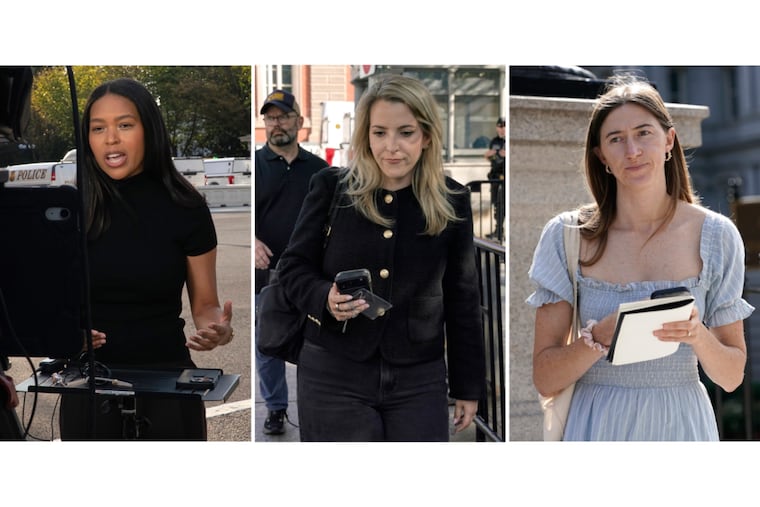
Staff writers Nate File, Michelle Myers, and Fallon Roth contributed to this article.