Coalition strategizes how to protect President’s House Site from Trump administration
ATAC held a public town hall at Zion Baptist Church in North Philly as the Trump administration plans to remove materials it finds "inappropriately disparage" American history.

All eyes in North Philly’s Zion Baptist Church turned toward the man dressed like he’d just come from signing the Declaration of Independence.
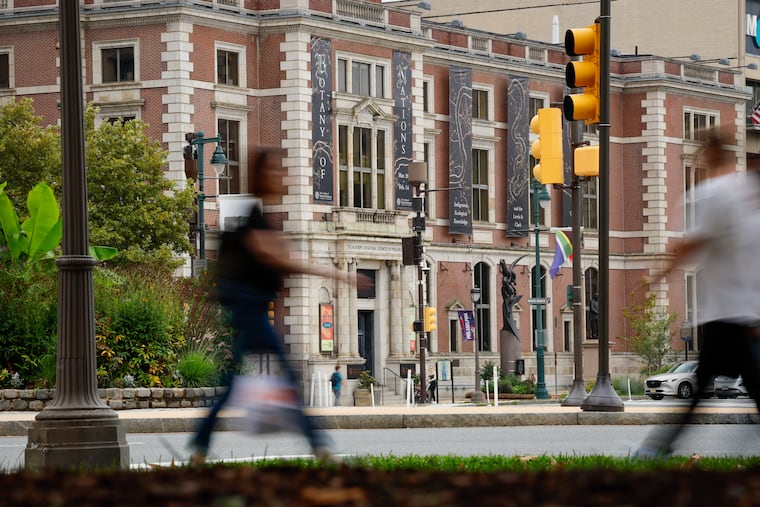
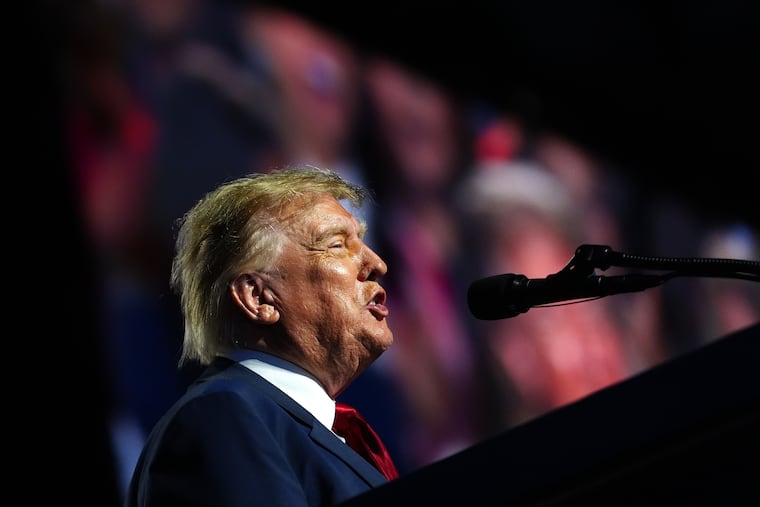
Stephen Pierce, 29, stepped to the microphone during the public comment section of Wednesday’s Avenging the Ancestors Coalition town hall, incensed that President Donald Trump‘s administration has planned to remove material at national parks and museums that it says “inappropriately disparage Americans past or living,” including several exhibits at Philadelphia’s President’s House Site. The administration plans to remove these materials by Sept. 17.
The coalition organized Wednesday’s town hall to continue preparing for the upcoming deadline and strategize with the public on how to protect the President’s House at Independence National Historical Park. The organization, which was founded in 2002, was instrumental in ensuring that slave ownership was central to the site once it opened in 2010.
“This is bigger than Philadelphia history … this is the fascist takeover of this country,” Pierce said. He was dressed in his long green coat, white stockings, and buckled shoes because he operates a local history tour company, America’s Rising Son.
His tours frequently visit the President’s House, where the home of George Washington and John Adams once stood. Six of its displays have been flagged by National Park Service staff for how they detail Washington’s history as an enslaver, and note the dissonance between that brutality and the values ascribed to the nearby Liberty Bell and Independence Hall.
In addition to several informational panels, the site features a memorial to the nine people enslaved by Washington who lived there.
» READ MORE: Black activists helped shape the President’s House Site 23 years ago. Now they’re working to save it from Trump.
“This is a fight that will involve all of us,” said Rosalyn McPherson, a coalition leader who was the President’s House’s project director during its development.
McPherson told the crowd of roughly 150 people gathered inside the church that the group was seeking to build a broad coalition of supporters, and reach more everyday Philadelphians in order to protect the site from the federal government’s attempts to minimize the horrors of slavery. Some individuals have already begun campaigns to archive the site.
Coalition leaders discussed several possible courses of action.
The strategies they mentioned included creating a virtual tour of the President’s House before anything is removed, relocating the flagged informational panels to other sites that are not under federal government jurisdiction, and studying legal recourse.
Fighting back
During public comment, people expressed anguish that the site was under attack, and shared their own ideas for protecting its history.
Richard White, 70, said sanitizing Washington’s slave ownership was just another chapter of powerful people marginalizing and inflicting pain upon Black Philadelphians. He has volunteered at the African American Museum for 20 years, and said it was critical to spread the news of what the Trump administration is attempting as widely as possible.
“People are feeling that pain,” he said.
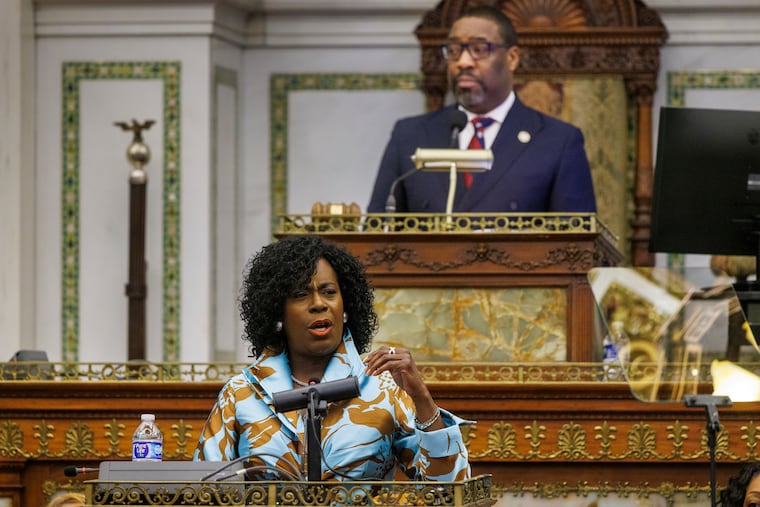
State legislators Sharif Street and Daisha K. Parker pledged their support for the coalition.
Street said removing the slavery-centric information would violate the agreement his father, former Mayor John F. Street, struck on behalf of the city to develop the site. Parker said additional protections would be necessary to give the site firmer legal standing.
Debbie Wei, a former educator and activist who protested against plans for an arena near Chinatown, suggested that private businesses could display the information from the President’s House and of other history from their shop windows.
“So you can’t walk anywhere in this city without learning real history,” she said.
Every year, Arthur Taylor, a high school teacher from Pleasantville, brings his students for a tour of the President’s House and other Black history locations in Philadelphia. He advocated at the town hall for an organized, large-scale protest on the day of the content removal.
Taylor teaches African American arts and entertainment, and said that without visiting the President’s House in person and seeing the materials about the first presidents and slavery firsthand, his students wouldn’t be able to fully grasp its significance.
“It helps them to be able to see those names on the side of the wall. To know our first president was a slave owner,” he said.