As the federal government shuts down, here’s what can be impacted
The shutdown officially began at 12:01 a.m. Wednesday, the start of the government’s new fiscal year.
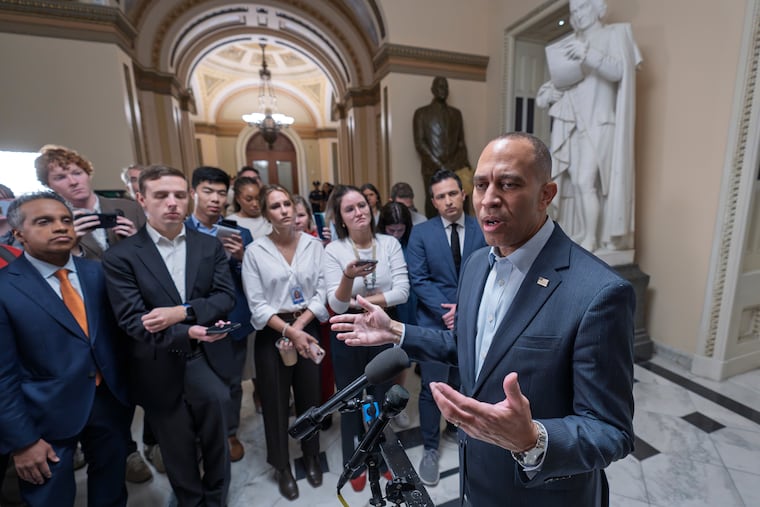
The U.S. government shutdown Wednesday for the first time in more than six years, after Republicans and Democrats failed to agree on short-term funding solutions.
In March, a shutdown was narrowly avoided with a stopgap measure approved with hours to spare. But this shutdown could look different from those of the past: President Donald Trump has directed federal agencies to prepare layoff plans — separate from the temporary furloughs that typically take place amid a shutdown.
» READ MORE: Government shutdown 2025: What to know
Here’s what we know.
What’s happening now?
The federal government shutdown officially at 12:01 a.m. Wednesday, the start of the new fiscal year.
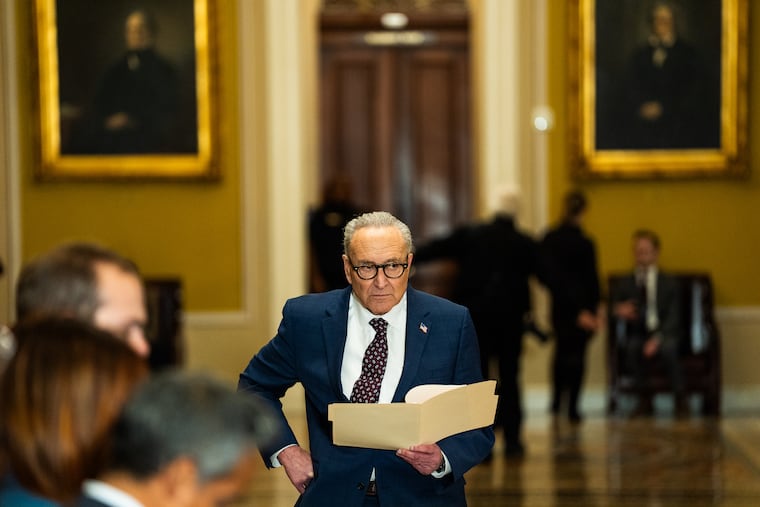
Just two Democrats — Sen. John Fetterman (D., Pa.) and Sen. Catherine Cortez Masto (D., Nev.) — and Sen. Angus King (I., Maine) voted for a Republican measure that would have funded the government through Nov. 21.
The impasse lies with Democrats’ push for certain provisions related to the Affordable Care Act to be included in the stopgap measure.
What are the main differences between today’s shutdown vs. before?
The biggest difference this time around is that tighter fiscal constraints from the top mean the shutdown could cause more damage.
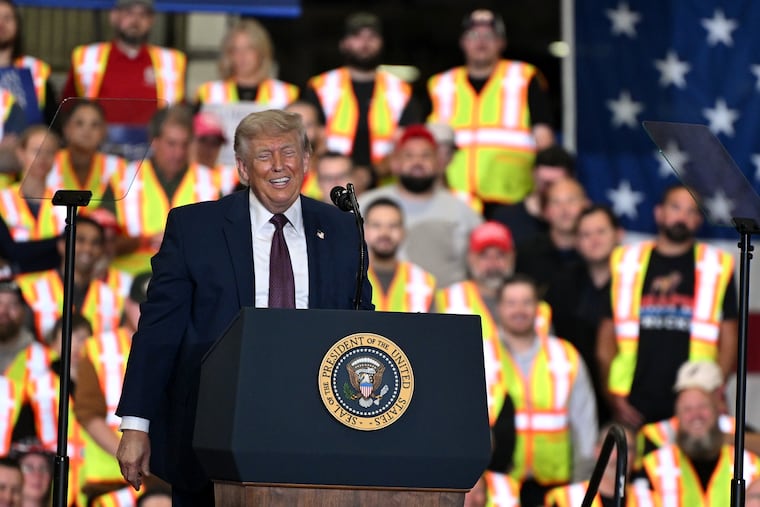
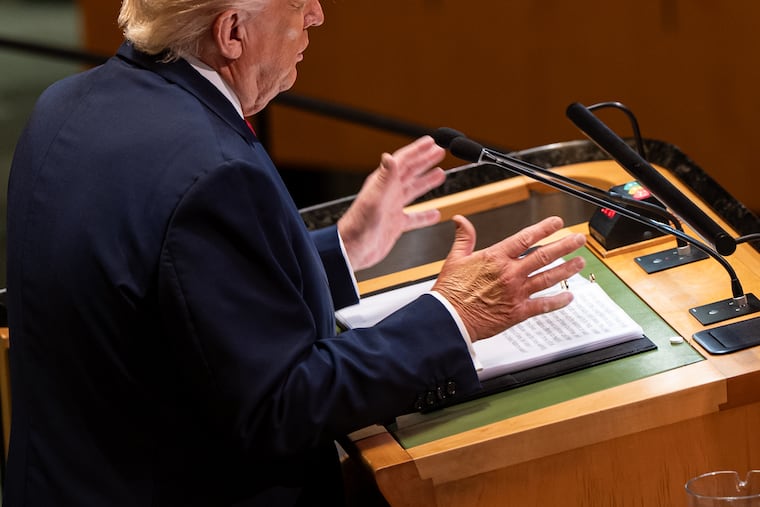
President Donald Trump’s administration is preparing to permanently lay off an unspecified number of federal workers due to the government shutdown, White House Press Secretary Karoline Leavitt told reporters Wednesday afternoon, without offering further details.
What do we know about potential permanent layoffs?
So far, the Trump administration has not outlined any specific agencies that would be impacted by layoffs or offered a number of workers expected to be impacted.
In a memo last week, the Office of Management and Budget said these layoffs would apply to programs that are “not consistent with the President’s priorities.”
Those programs would need to rely on discretionary funding, which have lapsed as of Wednesday without another available funding source, according to the memo.
What could a shutdown mean for Philadelphia workers?
Gov. Josh Shapiro said Tuesday afternoon that it was unclear what would happen to Pennsylvania residents who get paid by the federal government after the shutdown.
Hundreds of thousands of federal employees are affected by government shutdowns since they are expected to work, but would not receive pay until after the shutdown is lifted. Employees are typically guaranteed back pay.
Layoffs could change this dynamic.
Some of the main groups of employees that the shutdown impacts include (but are not limited to) active members of the military, federal law enforcement, federal transportation workers (like air traffic controllers and Transportation Security Administration agents, but not SEPTA), national park employees, scientific researchers, and some healthcare providers.
An exception is Congress, whose members’ pay is constitutionally protected.
What have Pennsylvania and area elected officials said?
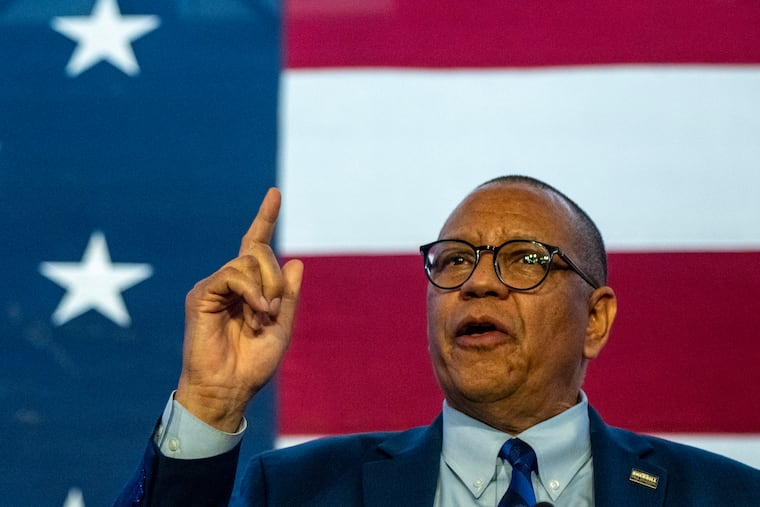
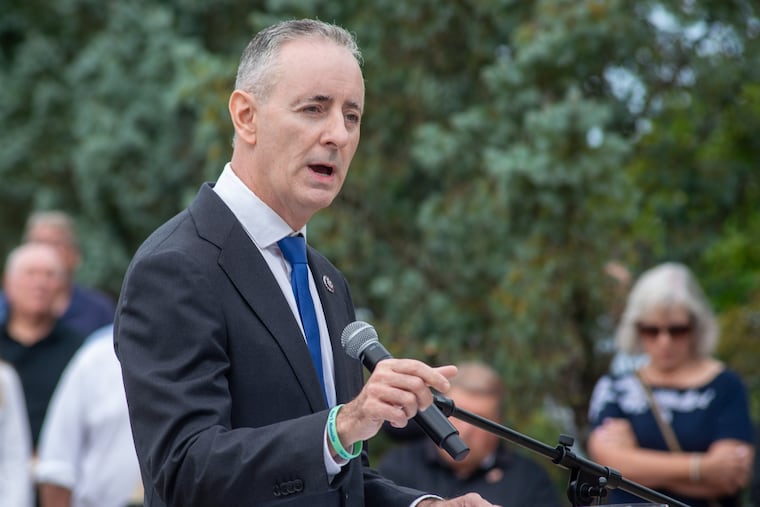
Fetterman joined Senate Republicans late Tuesday in voting for their plan to thwart the shutdown — one of two Democrat to do so. He has repeatedly said that he would like to avoid a shutdown at all costs.
Just hours before Congress missed its deadline to fund the government, Sen. Andy Kim (D., N.J.) told constituents on a call why he sees the shutdown as a pivotal moment for Democrats to fight back against President Donald Trump.
Democrats say they’re taking a hard line to protect healthcare for millions of Americans; Kim said also its a broader need for the party to push back on Trump for gutting the federal government workforce, sending National Guard troops into U.S. cities, and cracking down on free speech.
Shapiro on Wednesday pointed the finger at Republicans, saying that because they control “the entire federal government … they’ve got to figure out how to reopen … and continue to provide service to the good people in the country.”
What could a government shutdown mean for Philly?
Tourists flocked to Philadelphia’s most famous icons Wednesday, only to be met by closures at the Liberty Bell Center and Independence Hall — both of which fall under the National Park Service’s purview.
Immigration Court — which was closed during the last shutdown except for emergency filings — was open as of Wednesday, and Immigration and Customs Enforcement will continue to conduct immigration enforcement during the government shutdown.
» READ MORE: How the government shutdown impacts Pa.’s 100,000 federal workers
The region’s federal courts were open Wednesday and expected to operate at full capacity through at least Friday by dipping into a reserve balance of court fees and other revenues that are not appropriated by Congress. During the last shutdown, most federal eastern Pennsylvania law enforcement officers continued to work without pay.
In 2019, essential Philadelphia International Airport employees continued to work without pay, but resources were strained, with some air traffic controllers being furloughed. As of Wednesday morning, however, PHL operations continued to run smoothly.
In New Jersey, nearly all civilian workers at Joint Base McGuire-Dix-Lakehurst in were furloughed on Wednesday.
What will happen to federal benefits? Or my mail? What about passport processing?
Federal benefits like Social Security, Medicare, and Medicaid will continue, but payments and support could slow down. SNAP benefits could be at risk of running out of funding depending on the length of the shutdown.
The U.S. Postal Service is not impacted by government shutdowns because it operates independently, according to its website.
Airports will remain open but could see delays depending on labor shortages.
The U.S. Passport Agency typically remains open during shutdowns and continues to issue passports. That said, sometimes the process is slowed down based on labor shortages. The State Department could also reduce issuing passports when services are offered in buildings run by agencies that are impacted by the shutdown.
What was the longest government shutdown?
The 2018-19 shutdown — which lasted 35 days, making it the longest in history — was also the second to occur during Trump’s first presidency. That shutdown ended after East Coast airports faced major delays when unpaid air traffic controllers stopped coming to work.
How long will this shutdown last?
The federal government will be closed until leaders can secure necessary funding.