ICE can’t use Montgomery County’s property or resources in civil immigration operations under new resolution
The measure also codifies that the county won’t enter into a 287(g) agreement and restricts county employees from complying in civil immigration enforcement without a judicial warrant or subpoena.

The Montgomery County commissioners further limited the county’s cooperation with ICE on Thursday when they passed a resolution restricting federal immigration enforcement from using county property or resources for noncriminal investigations.
The measure approved by the Democratic-controlled board bars U.S. Customs and Immigration Enforcement from using county resources for various purposes, including as staging areas, processing locations, or operations bases related to civil immigration operations.
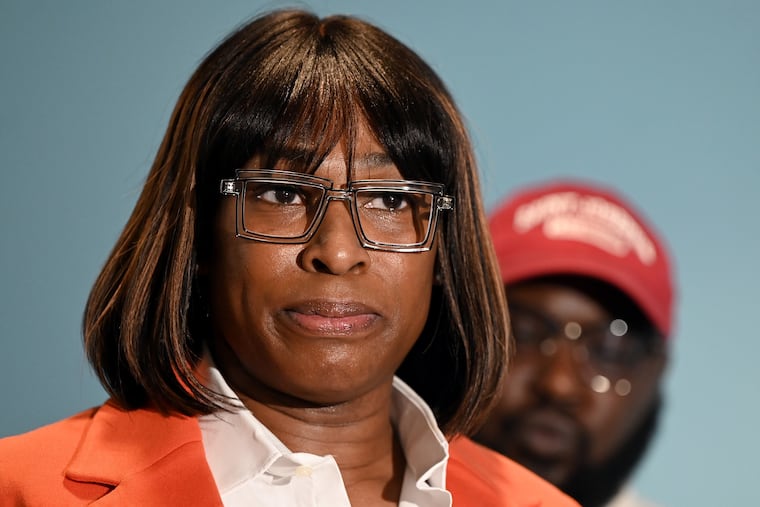
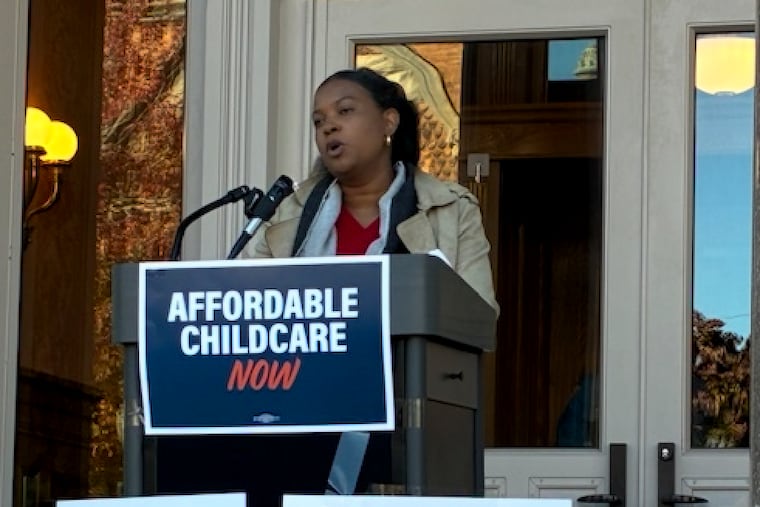
“We’ve seen it elsewhere — the violence, the fear, the separation of families. We want to make sure that here in Montgomery County, we’re doing everything we can to make sure all of our residents can continue to access essential services and live their lives safely,” said Commissioner Jamila Winder, the Democrat who chairs the board.
The resolution comes as immigration stakeholders in the county have been pushing the commissioners to take further action to protect residents from ICE enforcement as President Donald Trump’s deportation agenda continues to escalate.
Much of the tension occurred under the leadership of Kristi Noem, the Department of Homeland Security secretary whom Trump fired Thursday.
Calls for action escalated nationally in January after federal agents killed U.S. citizens Renee Nicole Good and Alex Pretti in Minnesota. In Montgomery County, ICE has carried out numerous operations, especially in communities with high numbers of Latino residents, such as Norristown, the county seat.
“Let me be clear: The county does not have authority over the federal government’s actions over civil immigration enforcement, and we still do not have the authority over the courts, other elected officials, municipalities, townships, or their law enforcement officers,” Winder said. “That remains unchanged, but what has changed is the environment we’re in.”
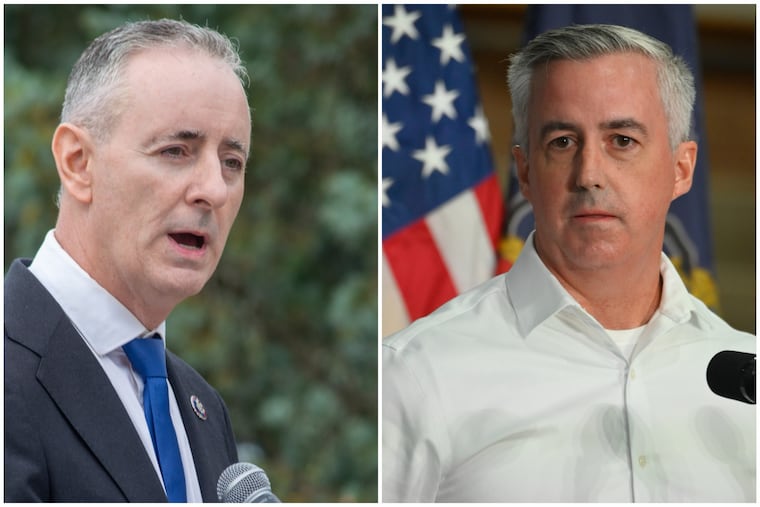
The policy to block ICE from using county resources passed 2-1 with Commissioner Tom DiBello, the board’s sole Republican, voting no.
The measure codifies that the county will not enter into a 287(g) agreement, which would allow ICE to use county resources, and that county employees will not comply in federal civil immigration operations without a judicial warrant or subpoena.
It does not prohibit ICE from purchasing warehouses for detention centers, as the agency has done in Berks and Schuylkill Counties.
Democratic Gov. Josh Shapiro has blasted the warehouse purchases as being conducted in secret and promised to pursue avenues to block the plan from moving forward. Bucks County in February passed a unanimous resolution opposing any potential purchases there.
Montgomery County’s resolution denying ICE access to its buildings and lands follows a national trend among Democratic-led jurisdictions. The move has both symbolic and practical impacts.
First, it enables the county government to publicly make clear its opposition and noncooperation. And second, ICE can need big spaces to set up officers, cars, and equipment for operations; banning the use of potential staging areas can complicate the agency’s logistics.
Montgomery County’s Department of Assets and Infrastructure will post signage on county-owned property noting that the area cannot be used for purposes not approved by the county, according to the resolution. Private property owners who wish to restrict civil immigration enforcement activity on their properties can request signs for free.
Megan Alt, a spokesperson for the county, said the hope is that ICE will comply with county law. But if not, the county is prepared to handle violations as it would for any other instances of trespassing.
DiBello, the lone GOP commissioner, said his opposition has “nothing to do with politics” and criticized the resolution’s references to ICE-related incidents that took place outside Montgomery County. He also said he was concerned that private property owners who do not post signs restricting ICE action on their properties will be targeted as a consequence.
“What’s going to happen then? Is there doxing going to occur? Is there protests outside of businesses?” he asked.
Commissioner Neil Makhija, the board’s vice chair, said the resolution “has nothing to with immigration policy,” but rather was about limiting cooperation with an agency that has used extreme tactics. He cited an ICE arrest last month in Lower Providence Township in which agents broke down a family’s front door.
DiBello responded that Makhija was engaging in “political positioning.”
In the Philadelphia region and elsewhere, ICE’s use of government property has long rankled immigration advocates, who say it amounts to cooperation on the part of local leaders.
For instance, Philadelphia City Council is poised to consider a package of “ICE Out” legislation that would bar the agency from staging or conducting enforcement on property owned or controlled by the city — including garages, parking lots, vacant land, buses, playgrounds, and schools.
Winder said Thursday that Montgomery County’s resolution is not some “newfound desire” to limit cooperation.
“Yes, we have our political affiliations, but we also know the difference between right and wrong, good and evil,” she said.