As SEPTA cuts go into effect across the Philly region, a top Senate GOP leader hosted a fundraiser
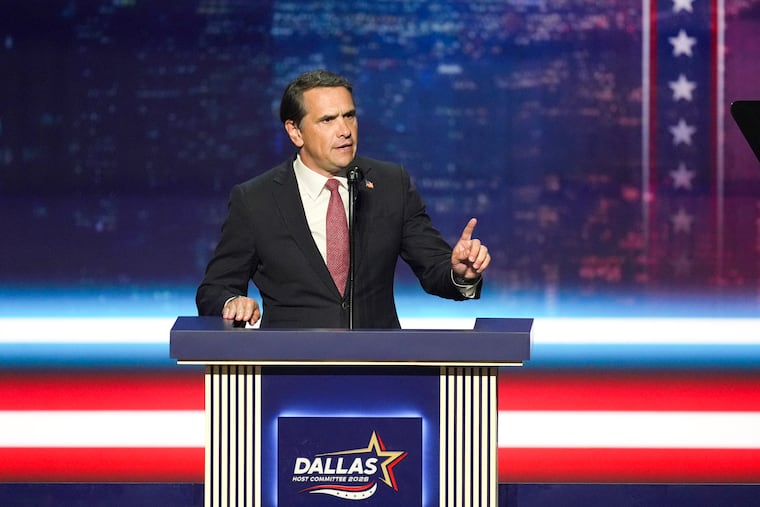
Sen. Majority Leader Joe Pittman is a top negotiator at the closed-door budget talks with Gov. Josh Shapiro and House Majority Leader Matt Bradford (D., Montgomery).
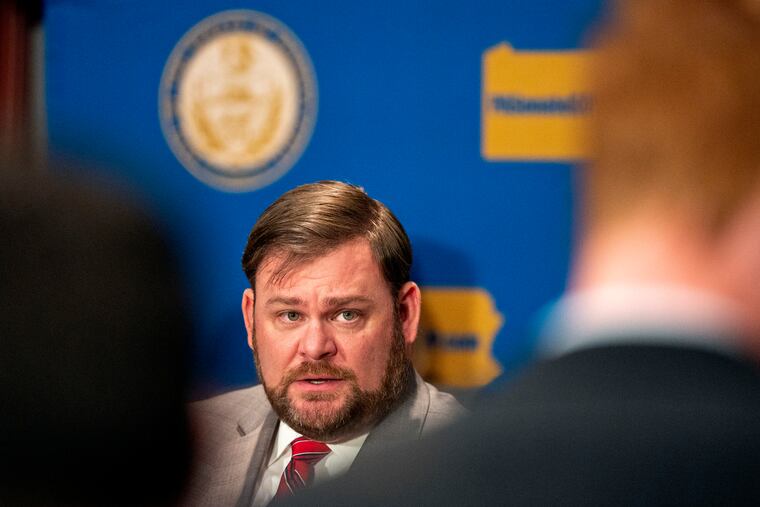
HARRISBURG — While the state’s largest public transportation system implemented major service cuts and Gov. Josh Shapiro offered his support for part of a GOP-proposed solution to help end the state budget stalemate, top Republicans in Pennsylvania government weren’t in the Capitol on Monday. Instead, they hosted fundraisers.
In his Capitol office on Monday, Shapiro told reporters that lawmakers were close to reaching a deal as the state budget reaches its ninth week past due and officials in the Philadelphia region urged Harrisburg to act. Most notably, the Democratic governor expressed a willingness to fund the state’s mass transit using a special $2.4 billion fund created to help mass transit agencies for emergencies and capital projects — a temporary solution proposed by Republicans to stave off the SEPTA cuts.
But a chief proponent of that plan, Senate Majority Leader Joe Pittman (R., Indiana), on Monday was out of office as he hosted a clay shoot fundraiser in his district in Armstrong County, where attendees could spend $125 to $10,000 to attend or sponsor the event benefiting Pittman’s PAC.
Pittman is a top negotiator at the closed-door budget talks with House Majority Leader Matt Bradford (D., Montgomery), who was also away from the Capitol on Monday, attending meetings in Harrisburg.
The three have spent weeks working behind closed doors to negotiate a state budget deal, as well as a potential stand-alone solution for mass transit.
Pittman has hosted several Monday fundraisers in recent weeks, including a golf tournament on Aug. 11, which was the same week SEPTA needed assurance of state funding before officially implementing its cuts.
» READ MORE: The SEPTA funding debate digs up Pennsylvania’s perennial rural-vs.-urban divide
“I have been forced in this process to run back and forth between [Pittman] and Leader Bradford, and I’m doing everything I can to bridge the differences between the two of them and to find a package that can pass the House and the Senate,” Shapiro told reporters Monday. “For my part, I’m going to remain at the table. I’m going to continue to shuttle back and forth … and find common ground so we can close this out.”
Shapiro said he was open to using a special fund with more than $2.4 billion in capital project funding, called the Public Transportation Trust Fund. Until Monday, Shapiro appeared opposed to using the fund, and his PennDot secretary told a House committee earlier this month that “every single dollar” in the fund “has an expected use.”
He struck a different tune on Monday, and claimed he never opposed using the PTTF money.
“I think utilizing the PTTF as part of a broader package is something we can do,” Shapiro said. “But it’s got to be part of a broader package that focuses on recurring funding over a long period of time, which funds mass transit in each of our 67 counties.”
» READ MORE: Is there actually $1 billion sitting in a fund for SEPTA? Explaining the Public Transportation Trust Fund.
Shapiro said he opposed only the Senate GOP plan using the PTTF, which also diverted $412 million out of mass transit’s capital budget to roads and bridge repairs. House Democrats and SEPTA largely opposed the Senate GOP’s plan pitched earlier this month, and a House committee quickly killed the Senate bill.
“I am open to using some of the PTTF as part of a broader package,” Shapiro added. “I have been and I know the leadership understands that.”
As budget talks continue, SEPTA is unlikely to receive a lifeline from Pennsylvania state government until an overall budget deal is reached. The state budget was due at the start of the new fiscal year, beginning July 1, but talks have stalled over disagreement on how to fund mass transit, among other issues, including Medicaid spending and the taxation and regulation of so-called skill games.
The rhetoric around SEPTA funding in Harrisburg has been nasty for months. But it has only devolved in recent weeks, as the issue of funding the state’s public transportation, including SEPTA, becomes increasingly politicized.
SEPTA faces a $213 million operating deficit for the 2026 fiscal year, which began July 1. As a result, the nation’s sixth-largest transit agency on Sunday enacted a 20% cut in all service and is slated next week to implement a major fare increase.
» READ MORE: SEPTA’s massive cuts are here and it’s ‘bad on so many levels’
On the GOP side, top leaders see the agency’s cuts as a “manufactured crisis” that could have been avoided if Democrats accepted their short-term plan to fund mass transit, largely pulling money from the Public Transportation Trust Fund, which was created to serve as a capital and emergency fund for the state’s mass transit.
Meanwhile, Democratic lawmakers see the GOP proposal to use capital funds to hold over mass transit agencies from making major cuts or fare hikes for two years as lawmakers reach a deal on a long-term funding source as robbing the capital projects accounts, and ultimately making transit’s infrastructure less safe.
What’s more: Some Senate GOP members allege the decision by the Democratic-led SEPTA board to implement the service cuts at the start of the school year purposely maximized the chaos, in an effort to vilify Republicans or in the long term, to try to flip the state Senate. And on the other side of the aisle, some Democratic leaders see the drawn-out transit debate as intentional on the GOP’s part to try to hurt Shapiro and Democrats politically, as he vies for reelection in 2026.
A spokesperson for Pittman did not comment on his decision to host the fundraiser while Philadelphia and the surrounding region deal with major delays from the new cuts implemented by SEPTA in the absence of additional state funding.
Instead, Pittman said in a statement that the Senate’s recent action to pass mass transit funding by using existing funds in the Public Transportation Trust Fund should be reconsidered to fund mass transit going forward.
“House Democrats, whose leadership hails from the SEPTA region, immediately rejected the plan. They should reconsider,” Pittman said. “Negotiations continue as we work to reach consensus on a final budget product that puts our Commonwealth on a stable spending path for future years.”
Spokesperson Michael Straw, on behalf of the Senate Republican Campaign Committee, likened Pittman’s fundraiser on Monday to that of ones hosted by Shapiro last month, which occurred on weekends.
“Our members’ fundraising events are no different from the recent fundraising events Governor Shapiro has held in Nantucket and Avalon,” Straw said.
In addition to Pittman’s fundraiser, the House Republican Campaign Committee on Monday was scheduled to host the Central Pennsylvania Golf Tournament in Schuylkill County, where attendees could participate by contributing $500 to $25,000. The committee could not immediately be reached for comment.
Other Democrats, however, criticized the timing of the GOP fundraising events as the transit service cuts set in.
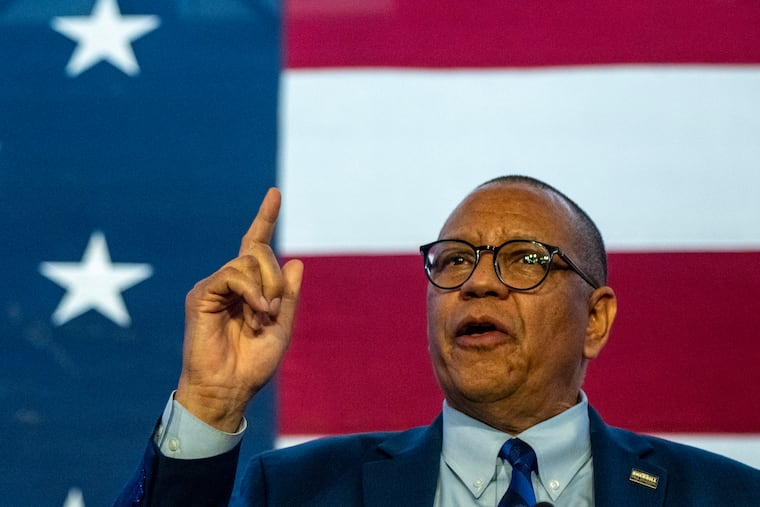
At a news conference at Philadelphia City Hall on Monday, City Council President Kenyatta Johnson, a former state representative, said top GOP leaders in Harrisburg seem to lack urgency to prevent or roll back the SEPTA cuts.
“For me, for them to be doing anything but being at the table 24 hours a day, specifically focusing on this issue, doesn’t really show the seriousness that they are taking when it comes to addressing this issue,” Johnson added.
State Rep. Malcolm Kenyatta (D., Philadelphia), in a statement, criticized the ill-timed GOP fundraisers as a “slap in the damn face of every Pennsylvanian.”
“Their decision to defund mass transit is a direct attack on our kids, our families, and our economy,” Kenyatta said. “Instead of showing up to work, they’re out golfing and clay shooting while Pennsylvanians are left stranded.”
“They are fiddling while Rome burns,” Kenyatta added.
Staff writer Sean Collins Walsh contributed to this article.