Montgomery County says it has ‘real, aggressive goals’ to develop affordable housing, outlined in new report
The blueprint examines how Montgomery County will aim to increase the development of affordable housing.
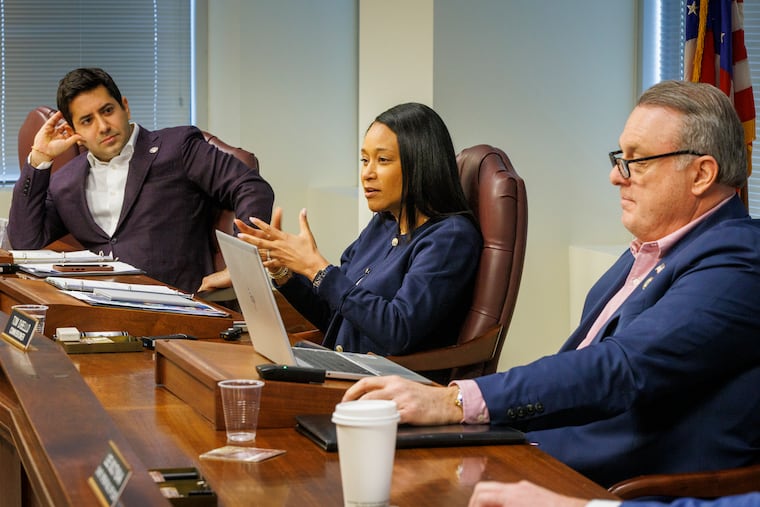
Montgomery County unveiled its first-ever affordable housing blueprint Thursday, aimed at adding 2,000 units of housing each year in one of Pennsylvania’s most affluent counties.
The 20-page report outlines numerous long-term goals, including preserving existing housing inventory, developing new rental housing at different price points, creating new pathways to homeownership, and improving other public infrastructure.
The blueprint, aligned with Gov. Josh Shapiro’s housing plan, comes amid a shortage of affordable housing that has been exacerbated by wages that have not kept up with rising costs of living and increased interest rates.
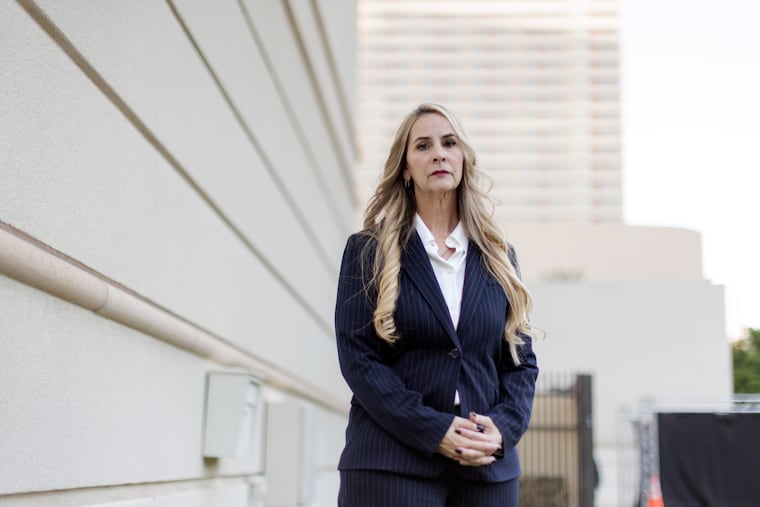
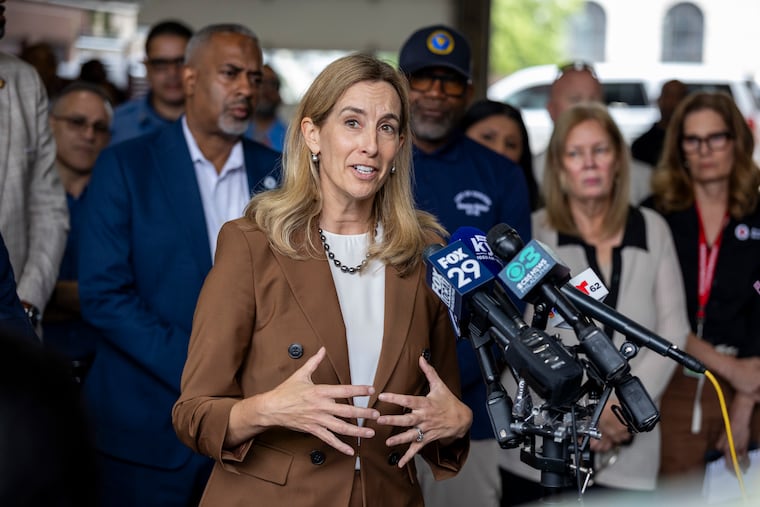
Jamila Winder, the Democrat who chairs the Montgomery County Board of Commissioners, expects this plan to be a crucial reference point for the county and its key collaborators, like the municipalities that control zoning.
“We needed a blueprint that we could then bring to various stakeholder groups to say this is where the county believes we need to focus to make a dent in some of the challenges that we’re facing,” Winder said.
Specific ideas include working with a consultant to study the county’s affordable housing needs, launching a housing program for people living with or recovering from opioid use disorder, developing more homes near public transit, and creating a land bank.
“This is not just another government document that sits on the shelf,” she said. “These are real, aggressive goals that we have, and we’re going to continue to push the envelope.”
Here is what to know about the plan.
The state of housing in Montgomery County
Montgomery County’s report comes as the county grapples with a decreased supply of new homes, rising rents, and dramatic increases in the cost of homeownership.
The median home sale price jumped 47% — from $310,000 to $457,000 — between 2019 and 2024. The county has identified Narberth Borough, Lower Merion Township, and Lower Gwynedd Township as the municipalities with the highest median housing sale prices.
In Montgomery County, 46% of renters and 19% of homeowners were spending more than 30% of their income on housing as of 2024, according to the report. By federal standards, these households are classified as “cost burdened.”
“We wanted to be able to do anything we could at the county level in order to help people not only afford a home but afford to get by,” said Democratic Commissioner Neil Makhija, the board’s vice chair.
Prices have jumped mostly due to the county’s “desirability,” according to the report, and the skyrocketing costs of construction in addition to rising interest rates that create difficulties for homebuyers and developers. Meanwhile, builders are also navigating lengthy processes for zoning and permits.
In terms of supply, total new housing units in Montgomery County have decreased by 41% between 2019 and 2024. The report describes the county’s current housing inventory as “generally more affordable compared to the rest of the region,” largely because many homes are older and have fewer modern amenities — and they are in desperate need of repair.
Several current county initiatives — including a transit-focused housing development program, zoning audit services, eviction intervention services, housing repair services, and the advancement of 12 new housing developments for people at various income levels — informed the report’s goals.
On Thursday morning, the county broke ground on an affordable housing development at the Valley Forge Presbyterian Church in Upper Merion.
In addition, the county will also continue to develop its short-term emergency housing facilities in Pottstown, Lansdale, and Norristown for people experiencing homelessness, which it has been doing with bipartisan support.
“When the problem is this bad, everyone is looking for a solution, and that lends itself to collaboration,” Makhija said.
What’s next?
The county says that changing community misconceptions about affordable housing is important. Opponents often say that new housing will create congestion or put pressure on local services, especially public schools.
Instead, Winder said, she aims to explain that the initiative will help “that first responder, … that teacher who wants to buy a home that can’t because their salary doesn’t allow for it.”
The county will also choose a consultant to conduct a study assessing the county’s housing market and zoning policies and how this landscape meets the needs of residents.
Additional next steps include improving guidance and regulatory tools for municipalities, promoting inclusionary zoning, and prioritizing municipalities that develop housing opportunities for the Montco 2040 Implementation Grant Program, which provides funding to municipalities that make physical improvements related to the county’s comprehensive plan, according to the report.
The county is formalizing a housing program geared toward people experiencing homelessness who are also living with or recovering from opioid use disorder. The program will offer a substance use treatment provider, housing subsidies, and wraparound services.
Montgomery County is also exploring other options, including opportunities to train more builders.
The county is in the early stages of creating a land bank that could work with private entities to redevelop commercial parcels or underused lands into housing.
Winder has spoken with leaders in nearby Berks County about their model for the program. Montgomery County does not have as much distressed land as Philadelphia, which also has a land bank.
“We’ve had fits and starts on the land bank, but we keep pushing to do it, so it is a goal for us,” Winder said.
Staff writers Jake Blumgart and Michaelle Bond contributed to this article.