Republican Stacy Garrity would veto recreational marijuana bill if elected Pennsylvania governor
Garrity said any bill supporting recreational marijuana "is never going to pass" in the state Senate.

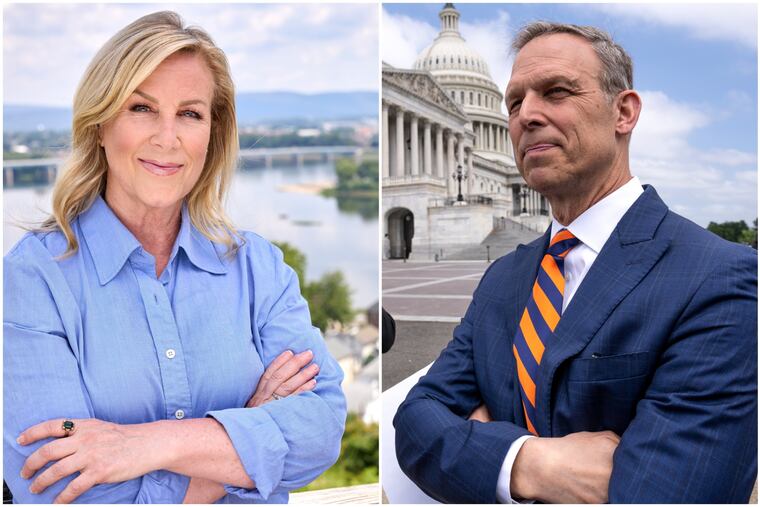
State Treasurer Stacy Garrity, a Republican running for Pennsylvania governor, said she would veto any bill favoring the legalization of recreational marijuana if she wins the November election.
“I don’t support legalizing recreational marijuana,” Garrity told NBC10 last week, placing her at odds with incumbent Democratic Gov. Josh Shapiro, long in favor of such a measure.
She added that the Republican-controlled Senate is “never going to pass” a bill allowing recreational marijuana in the first place. “Recreational marijuana will not end up in the budget,” she said.
Democrats are hoping to flip control of the state Senate in November with Shapiro at the top of the ticket.
Shapiro pitched legalizing marijuana in his budget address earlier this year, saying the state should tap into the tax revenue that it could generate, following the lead of all its neighboring states except West Virginia. In New Jersey, recreational marijuana sales have brought in around $156 million in taxes since it was legalized in 2022, state figures show.
In a statement Tuesday, Sam Reposa, a spokesperson for Shapiro’s reelection campaign, underscored Shapiro’s support for legalization, saying the state needs “comprehensive cannabis reform” to be more competitive.
Adding that Shapiro will continue to fight for legalized cannabis, Reposa criticized Garrity’s stance, saying she “wants Pennsylvania to continue to lose out on critical revenue that could be invested into our schools, public safety, and small businesses."
Garrity’s campaign did not return a request for comment as of early afternoon Tuesday.
In his February budget address, Shapiro said that legalizing adult-use cannabis would net the state $729 million in the first year, then around $200 million in annual tax revenue moving forward.
Pennsylvania legalized medical marijuana in 2016, but efforts to do the same with recreational marijuana have fallen short.
Last year, the Pennsylvania House of Representatives, under Democratic control, passed a bill that would have a legalized recreational marijuana, allowing it to have been sold in state liquor stores. The Senate Law and Justice Committee rejected the legislation, 7-3.
It was the farthest any recreational marijuana proposal has gotten in the legislative process in Pennsylvania.
Bucking public opinion
Garrity, 61, is running unopposed in the May 19 Republican primary. A supporter of President Donald Trump, Garrity broke the record for the most votes for a statewide office when she was reelected state treasurer in 2024, a mark formerly held by Shapiro.
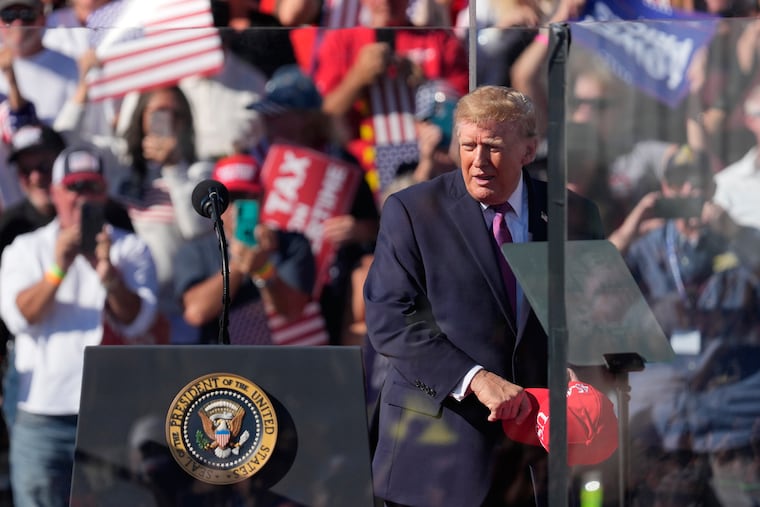
Earlier this year, Trump publicly supported Garrity, writing in a Truth Social post that she is an “America First Patriot.” If she beats Shapiro in November, she would become the first woman to be elected Pennsylvania governor.
When it comes to legalizing recreational marijuana, Garrity’s position on marijuana appears to buck public opinion.
Last month, Susquehanna Polling & Research found that nearly 70% of likely Pennsylvania voters support legalizing marijuana, including 72% of Democrats, 67% of Republicans, and 64% of independents.
The poll was commissioned by the Pennsylvania Cannabis Coalition, a marijuana industry group.
Berwood Yost, director of the Center for Opinion Research at Franklin & Marshall College, said Tuesday that the poll results bear scrutiny: “You would have to examine any poll whose findings align with the organization that sponsored it.”
Still, he added, the poll’s findings were similar to academic surveys conducted in the last few years showing growing support among Pennsylvanians for legalizing recreational cannabis.
In April, the 2026 Pennsylvania Public Health Survey by the Muhlenberg College Public Health Program showed that 47% of respondents favored legalization while 25% opposed it and 24% said they neither favored nor opposed such a measure.
Chris Borick, director of the college’s Institute of Public Opinion, said Tuesday the same question on legalization was asked since 2013, and voters “flipped from non-support to support” in the 13 years.