No funding for SEPTA in Pa.’s $50.1 billion budget is another ‘disappointing’ blow for the agency
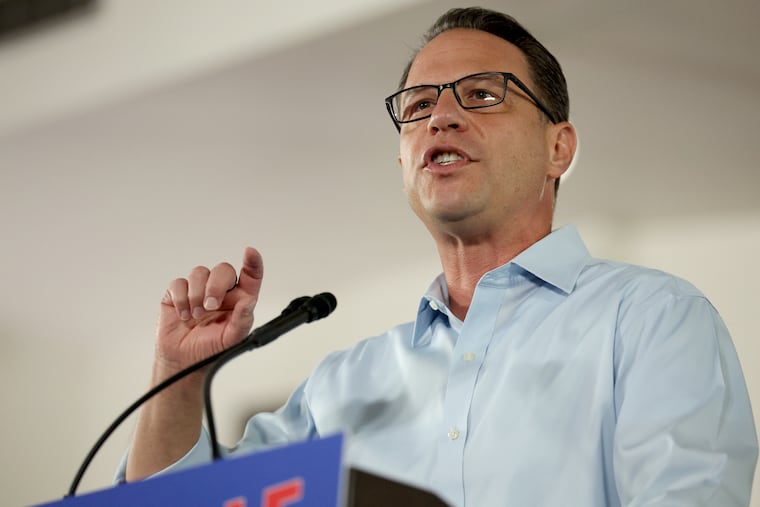
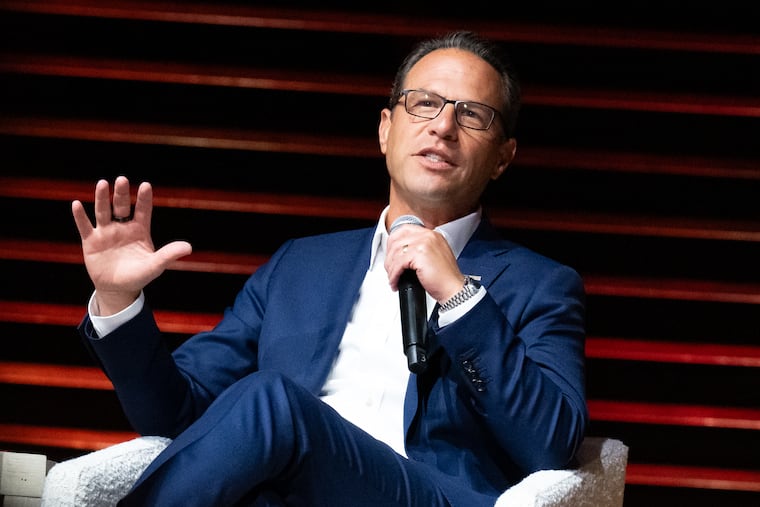
Gov. Josh Shapiro previously approved a short-term funding plan for SEPTA.
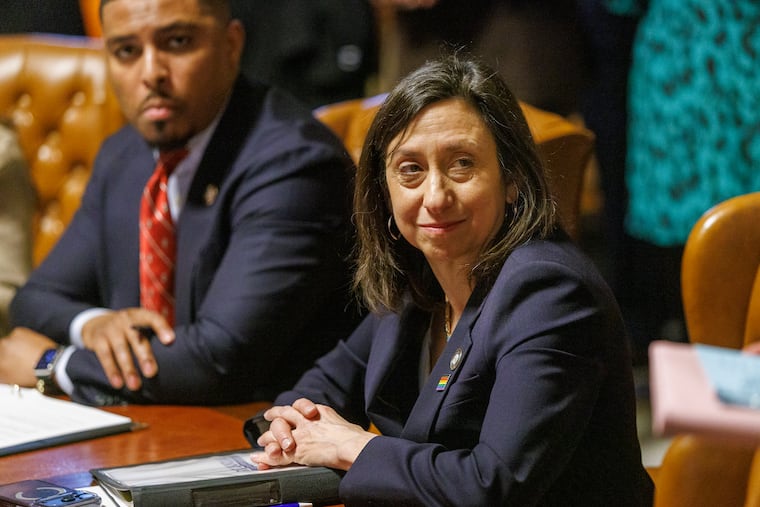
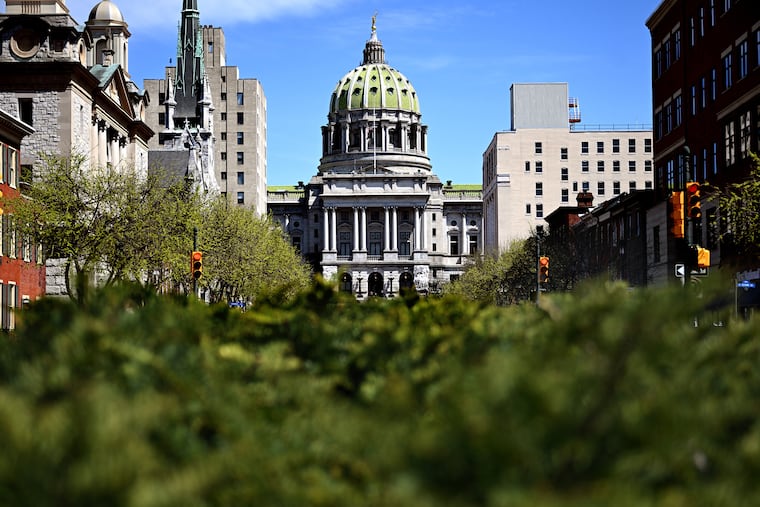
At last, Gov. Josh Shapiro and Pennsylvania lawmakers have approved a long-overdue $50.1 billion state budget, which shutters a key climate initiative, increases public school funding, and includes no tax hikes.
But additional money for public transit is noticeably absent.
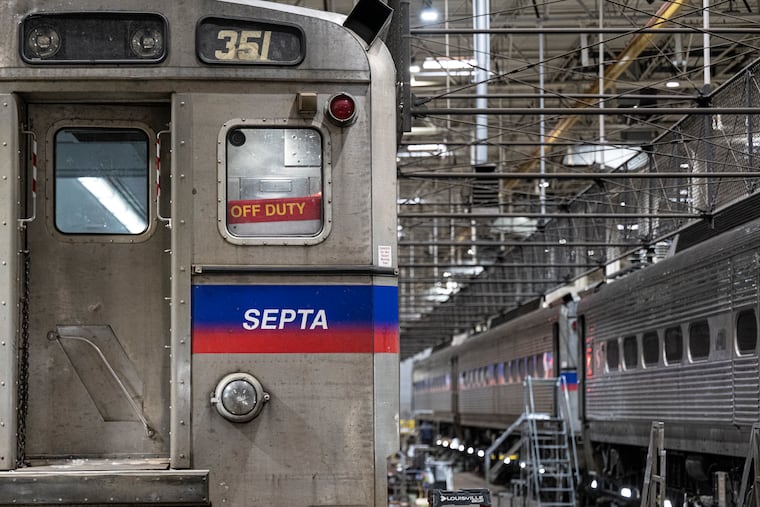
That’s because lawmakers in Pennsylvania’s divided legislature failed to reach an agreement on a long-term funding solution for mass transit as SEPTA began to descend into what the agency called a “death spiral.” And so Democrats removed it from budget negotiations in September. Instead, Shapiro approved a short-term funding plan for the agency — his third in the last two years in office.
Scott Sauer, SEPTA’s general manager, said in a statement this week that while the agency knew mass transit funding was unlikely to be included in the state budget, it was still “disappointing.”
Public transit advocates and riders who spoke to The Inquirer are frustrated with the lack of a long-term deal for public transit, which affects not only major cities like Philadelphia and Pittsburgh but also transit systems in rural, GOP-controlled districts that are also experiencing service cuts or fare increases.
Before Shapiro approved the short-term funding plan, SEPTA was in the beginning stages of enacting vast and painful service cuts for trains and buses that riders in the Philadelphia region rely on.
Here is why SEPTA funding is not included in the 2025-26 state budget and what some loyal riders are saying:
Why is there no SEPTA funding in the state budget?
Democrats removed mass transit funding from budget negotiations after it became clear that Senate Republicans would not budge on a deal and a judge ordered the reversal of service cuts.
A Common Pleas Court judge ruled that SEPTA had to roll back the service reductions, following a lawsuit that alleged the cuts disproportionately hurt marginalized communities. Required to restore service with no additional funding to make up a $213 million budget deficit, leaders felt like their hands were tied.
At that point, Shapiro told SEPTA to make a one-time request to the Pennsylvania Department of Transportation for state capital funds to hold the authority over for two years. SEPTA received $394 million, shifting state capital funds allocated for future projects to pay for operating costs.
Gabby Scher, 33, has been riding SEPTA for most of her life — the Broad Street Line, the El, but mostly the bus.
Scher, a postdoctoral researcher at the University of Pennsylvania, said she — like many other SEPTA riders — has encountered frequent bus delays and cancellations. And the agency having to use capital funds to survive, instead of lawmakers reaching a long-term solution, is “concerning,” Scher said, noting she would want to see the state replenish the funds.
“It’s pretty wild to me, to be honest,” Scher said. “So if we do get this permanent funding solution from the state, then they could actually make these upgrades, and the system could, overall, be working a lot better.”
SEPTA leadership said in early September that, while not ideal, the funding arrangement was the best possible solution given the stalemate.
Sauer said in a formal request letter at the time: “We are faced with no other option than to request this waiver.”
How did we get here?
Basically, because Democrats and Republicans in the divided state legislature were not able to reach an agreement.
House Democrats, especially in areas where constituents rely on SEPTA, pushed for a long-term funding plan to be included in the budget, but Senate Republicans saw it as a waste of money. GOP senators did not want to give further state funding to an agency they felt lacked accountability and needed safety improvements — something SEPTA has worked to address, including through a clampdown on fare evasions.
The issue also further widened a supposed divide between Philadelphia and rural Pennsylvania.
SEPTA currently receives $1 billion from the state annually, 67% of its operating budget, but without state support the agency implemented massive service cuts in August, disrupting Pennsylvanians’ ability to get to work, go to school, or go about their day-to-day lives.
James Kemp, 29, a software engineer who lives in East Passyunk, is a longtime SEPTA rider and said he isn’t sure why providing adequate transportation for Pennsylvanians became such a partisan subject.
“I don’t know when sort of public transit became such an issue for the rural and Republican parts of the state, because I don’t believe this was partisan ever before,” Kemp said.
But riders are already looking toward next year’s budget negotiations and hoping that additional funding for SEPTA can become a priority. The potential for a “really great” system is there, according to Joe Mariani, 28, a law student and a member of SEPTA’s Citizen Advisory Committee.
“If we can just get the proper funding, the system could be really great,” Mariani said. “And the systems across Pennsylvania could be really great. And I think it would benefit everybody.”
Staff writers Gillian McGoldrick and Thomas Fitzgerald contributed to this article.