Hahnemann developer secures permits for apartments in advance of Council housing ban
Dwight City Group and Councilmember Jay Young remain in conversation about the project, although the developer has already secured permits for the apartment redevelopment.
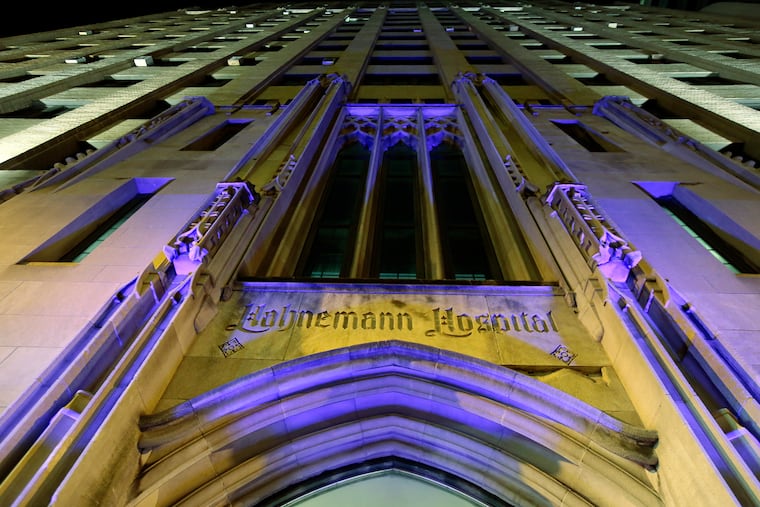
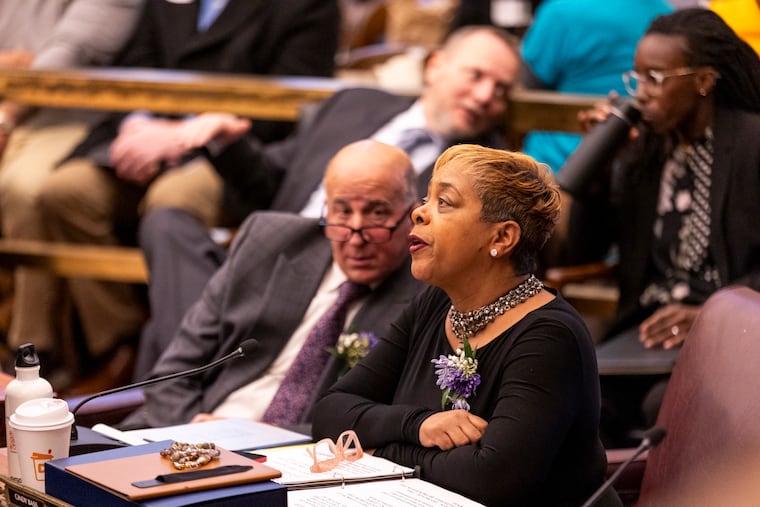
Philadelphia Councilmember Jeffery “Jay” Young introduced a bill at the last City Council meeting of 2025 to ban residential development from the area around former Hahnemann University Hospital.
The proposal covers properties near Broad and Race Streets with owners that include Drexel University, Iron Stone Real Estate Partners, and Brandywine Realty Trust.
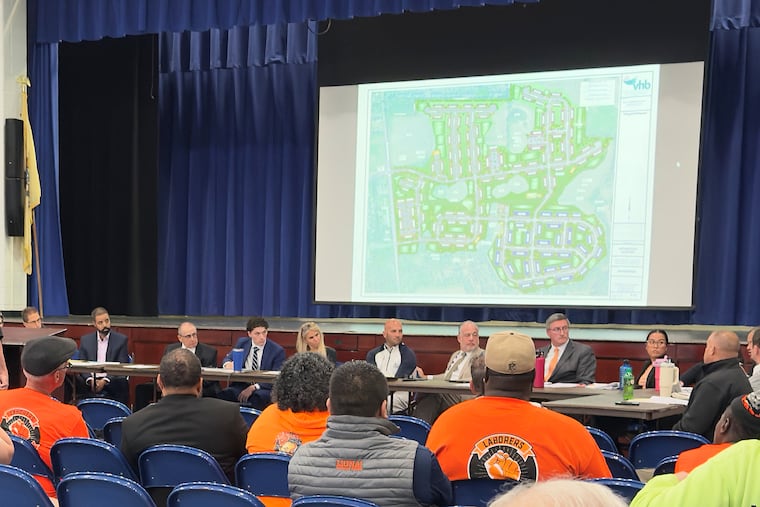
But only one known residential project slated for the area is covered by the bill: Dwight City Group’s proposal to redevelop the Hahnemann Hospital patient towers into hundreds of apartments.
If enacted by City Council, which returns on Jan. 22, the bill could have stopped that redevelopment.
But on Dec. 24, Dwight City Group secured a zoning permit for 222-48 N. Broad St. to build a 361-unit apartment building — far larger than the original plan — with space for commercial use on the first floor.
With that permit secured, the project could move forward regardless of whether Young’s bill is enacted.
Dwight City Group, however, says they are concentrating on ongoing conversations with Young.
“We are working along with Councilman Young and the community to ensure that this project meets the needs and goals of the district,” said Judah Angster, CEO of Dwight City Group.
The permits show some changes to the original plan. In interviews last year, the developer said the plan contained 288 units and that ground-floor commercial was unlikely.
Young said the proposed housing ban is about preserving jobs by allowing only commercial development at the former hospital site.
“As the city continues to look for ways to incentivize development, we need to ensure jobs and economic opportunities are at the forefront, with engagement from all stakeholders,” Young said in an email. “We look forward to working [with] all stakeholders as this legislation moves through the process.”
Young’s bill confused and outraged many observers as a blatant example of spot zoning, in which legislation is used to help or hurt a particular project.
But the tradition of “councilmanic prerogative” would likely guarantee its passage because other Council members are unlikely to vote against a bill that affects only one district.
Nevertheless, the housing and transit advocacy group 5th Square has begun a campaign against the legislation and issued a petition earlier this week calling for its withdrawal.
“The site on Broad and Race Street lies on top of an express subway stop and benefits from proximity to Center City jobs, shops, and cultural amenities,” the petition reads. “Since the shuttering of Hahnemann in 2019, the site currently provides little value to Philadelphians or tax dollars to the city despite its central location.”
The proposed housing ban legislation comes after repeated controversies that have pitted Young against a variety of parties, including the Philadelphia Housing Authority, Mayor Cherelle L. Parker, multiple North Philadelphia neighborhood groups, safe streets advocates, and the building trades unions.