PHA comes to Kensington for the first time, adding 61 senior apartments
The project will be built on city-owned land, with support from Councilmember Quetcy M. Lozada.
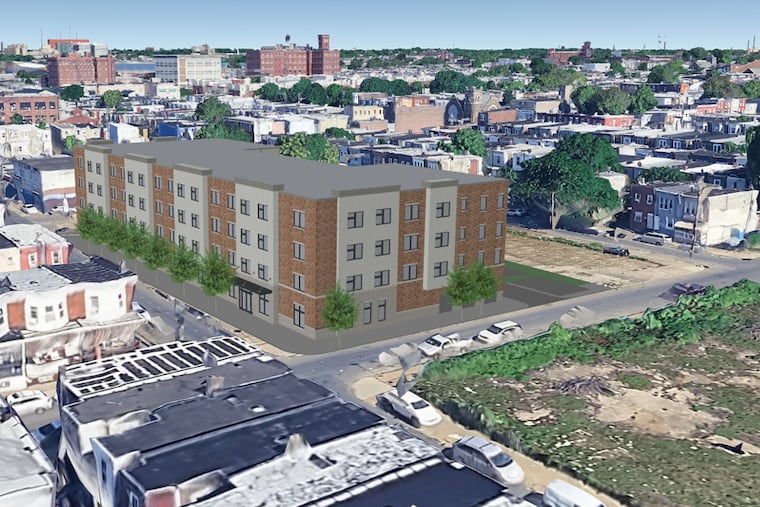
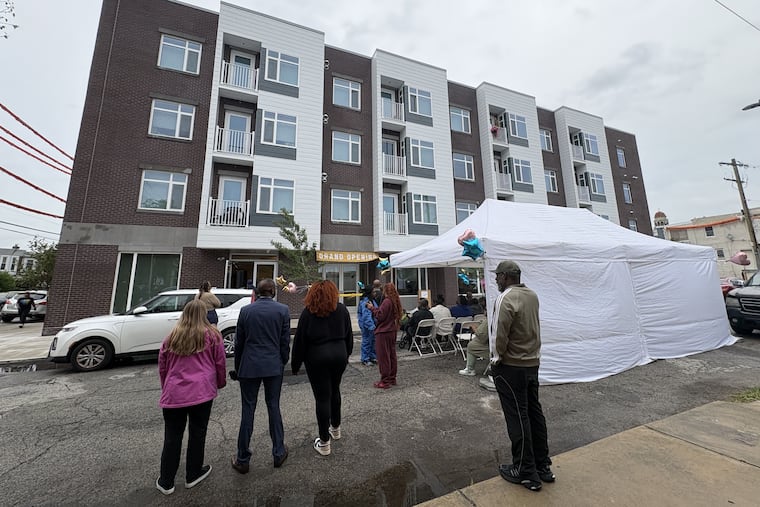
The Philadelphia Housing Authority (PHA) plans to open its first apartment building in Kensington, a 61-unit affordable building for seniors at 139 E. Clearfield St.
“This will be our first major development in [Kensington],” said Kelvin Jeremiah, president and CEO of PHA. “It’s an exciting project for us, obviously, because we have not been [in the neighborhood] and there is so much market pressure to maintain affordability.”
In the 1950s and 1960s, when most of PHA’s historic holdings were being built, the then-majority white neighborhood pushed back against the idea of public housing in Kensington. During the same era, the agency faced a fierce campaign against efforts to build affordable housing in South Philadelphia’s Whitman neighborhood, which was also majority white.
Much about Kensington has changed since then. It is now a majority Puerto Rican neighborhood, pocked with vacant lots, and residents fear price pressures from a wave of redevelopment to the east and south. In 1960, the census tract was over 99% white, today it is close to 90% Hispanic.
The apartments will be available to renters who make less than 60% of area median income, or roughly $50,000 for a one-person household. Fifty-four of the apartments have one bedroom, while seven have two bedrooms.
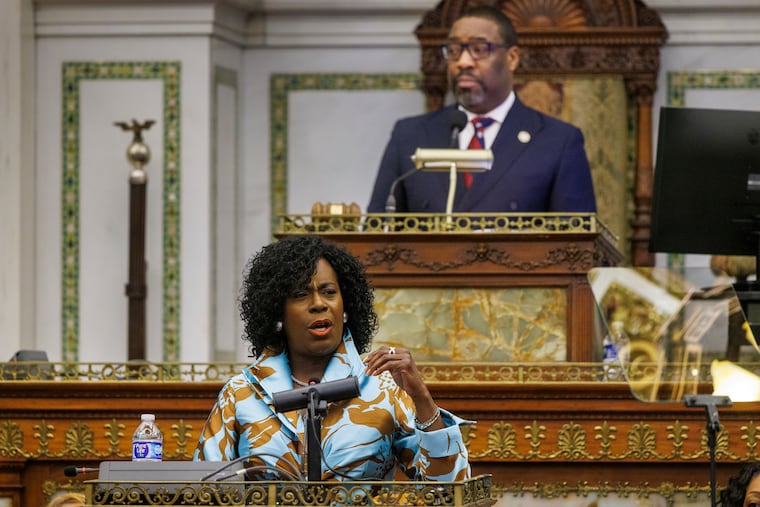
The project will cost $27 million, and it is being built on city-owned land. Councilmember Quetcy M. Lozada, who recently pushed back against dispensing some properties for affordable homeownership in the neighborhood, is supportive of PHA’s efforts.
“Beyond its impact on senior housing, the project presents a meaningful opportunity for neighborhood revitalization,” Lozada wrote in a letter to the Civic Design Review committee, an advisory body which will provide non-binding feedback to the project in June.
“By transforming underutilized parcels into a well-designed residential community, the development will enhance the streetscape, reinforce neighborhood character, and contribute positively to the long-term vitality of the area,” wrote Lozada.
Jeremiah says the project also has the support of local neighborhood groups, including the official Registered Community Organization which is the 7th Democratic Ward led by former State Rep. Angel Cruz.
The project will include 14 surface parking spaces. PHA also plans 13 affordable homeownership units at a neighboring large vacant lot just to the north. They will be targeted to those at 80% of area median income, or close to $85,000 for a family of four. They will not be restricted to seniors.
The architect for the apartment building is Norristown-based Barton Partners.
PHA will pay for the project from a mix of Low Income Housing Tax Credits (LIHTC), covering 30% of construction costs, with the bulk of the funds coming from the agency’s own capital reserves.
PHA expects to secure the property and the tax credits by the end of this year, with construction unfolding over 2027, and the apartments opening in 2028.
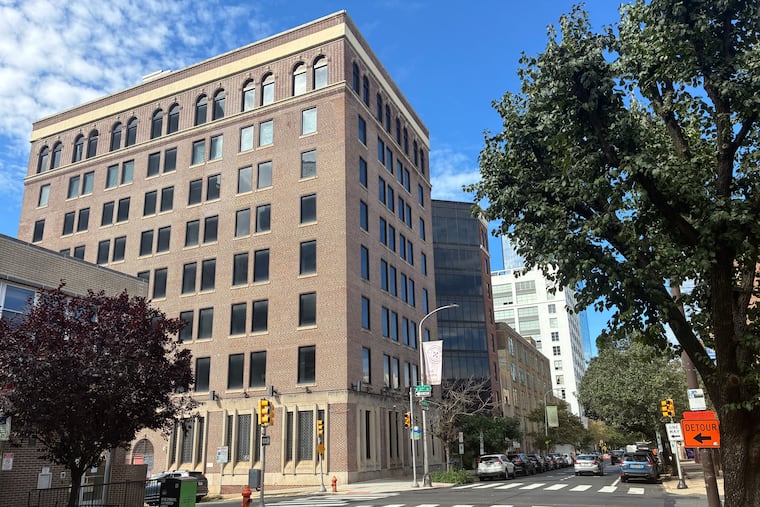
Also in Kensington, PHA recently acquired two large, newly built market-rate apartment buildings.
It also owns a number of rowhouses scattered throughout the neighborhood. The city gave them to PHA during the deindustrialization of the area when Kensington’s population dropped precipitously and there wasn’t demand for the homes.
PHA served as the owner of last resort, and holds some homes that are still vacant and some that are occupied by subsidized renters.
Jeremiah says he hopes to do more projects in the area soon, in partnership with Lozada’s office. City Council controls the disposition of property from Philadelphia’s Land Bank, so the local district council member must support and develop projects on city-owned land.
Jeremiah said he’s been working with Lozada on housing opportunities in Kensington “for close to two years.”
“There are a couple more that I’m working on with her and I know that she’s fully on board with the action PHA is taking,” he said.