Philadelphia’s homeownership rate fell during the pandemic as rates grew nationally and in other big cities
Philadelphia has a relatively high homeownership rate among major U.S. cities and a tradition of homeownership among households with lower incomes. But homes have gotten less affordable.
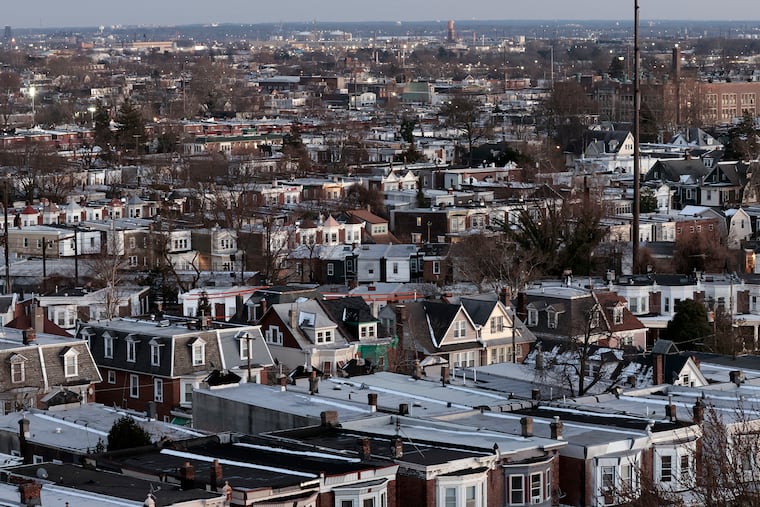
The homeownership rate in Philadelphia fell more than it did nationally and in other major East Coast cities over the last two decades, according to an analysis by researchers at the Federal Reserve Bank of Philadelphia.
Philadelphia’s homeownership rate fell by 5.1 percentage points — from 57.5% in 2005 to 52.4% in 2023, according to the report published this month. Over the same period, the national homeownership rate dropped 1.6 percentage points to 65.3%.
Homeownership rates fell by less than 1 percentage point in Boston and New York and by 2.5 percentage points in Baltimore.
Owning a home is how most U.S. families build wealth. Philadelphia has a relatively high homeownership rate among major U.S. cities and a tradition of homeownership among households with lower incomes.
But affordability challenges in recent years have held Philadelphia back.
The city’s homeownership rate did not rise during the pandemic as it did nationally and among other cities.
The U.S. homeownership rate increased by 1.1 percentage points between 2019 and 2022. Rates in Boston and New York also rose slightly during this period. But the homeownership rate in Philadelphia fell by 1.1 percentage points.
» READ MORE: Many renters say they’ll never buy a home, according to a national survey
Philadelphia Fed researchers had heard about homeownership rates increasing in many places during the pandemic, “so the big surprise was the extent to which Philadelphia was having a very different experience,” said Theresa Singleton, a coauthor of the report and senior vice president and community affairs officer at the Philadelphia Fed.
“Philadelphia’s had this long history of having affordable homeownership for so much of the population for so long,” she said. “And so seeing these numbers decline was the issue that really brought us to this topic, to revisit what are the factors contributing to this decline.”
Researchers found that owning a home has gotten more expensive, and households are increasingly burdened by debt.
Homeownership has become less affordable
“Homeownership affordability is deteriorating in Philadelphia,” said Sisi Zhang, a coauthor of the report and community development economic adviser at the Philadelphia Fed.
More than 60% of Philadelphia home sales were affordable to households with median incomes a decade ago. Now, fewer than 40% are affordable.
Home affordability varies by race and ethnicity. Philadelphia’s typical white households — those making the median income among white households — can afford up to roughly 60% of home sales. Typical Black households in Philadelphia can afford up to about 26%. And this affordability gap has widened over the last decade.
The gap between how many homes households with two earners can afford and households with fewer than two earners can afford also has widened. Non-dual-earner households used to be able to afford more homes.
In 2013, dual-earner households could afford about 90% of the homes for sale, and non-dual-earner households could afford just over 50%. In 2023, dual-earner households could afford just over 80% of homes for sale, and non-dual-earner households could afford a little more than 30%.
» READ MORE: Philadelphia's housing market isn't as accessible as it used to be
The report considered homeownership to be affordable if a household making the median income spends no more than 28% of that income on a mortgage, property taxes, and home insurance.
All together, these costs have more than doubled in the last decade. In 2014, the annual estimated median cost of owning a home in Philadelphia was about $8,000. That cost grew to about $21,000 in 2024.
Singleton said she was surprised at how significant the cost increases have been.
Rising home prices are pushing up costs overall, and mortgage interest rates remain elevated. Increases in household income have not kept up with rising prices.
These affordability challenges exist in cities and towns across the country, but Philadelphia stands out because residents’ incomes are so low compared to other cities of similar size and economic status, Singleton said. That “brings a certain other nuance” to challenges the city faces.
» READ MORE: Low incomes make Philadelphia homes less affordable, Pew study finds
Debt burdens
Philadelphians’ debt increasingly is keeping them from buying homes or being able to comfortably afford homes, the Philadelphia Fed report found.
High debt-to-income ratios have become the most common reason that aspiring homebuyers are denied mortgages.
And even buyers who are approved for home loans have higher debt-to-income ratios than they did a few years ago.
Debt and affordability trends highlighted in the report “suggest growing financial pressures on potential and actual homebuyers, particularly low- to moderate-income families,” the authors wrote.