Many renters say they’ll never buy a home, according to a national survey
Baby boomers were least likely to say that homeownership is part of the American dream. And renters said housing affordability is still a challenge, even though rents aren’t increasing like they were.
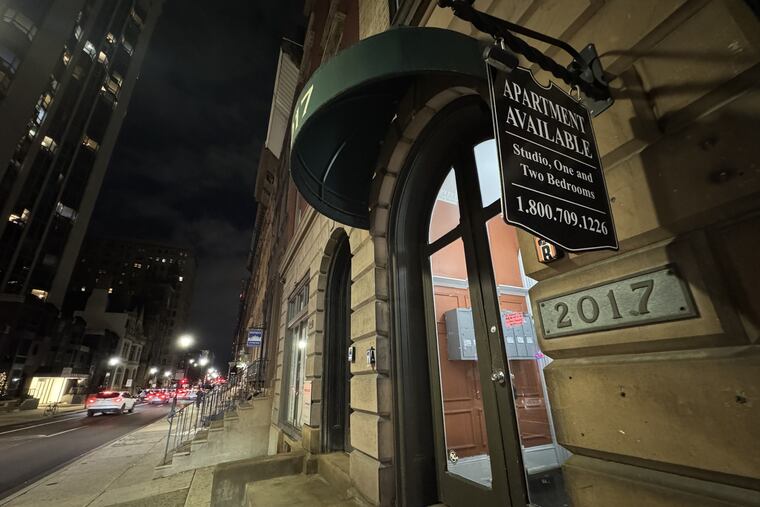
This year, renters were burdened by housing costs, pessimistic about the economy, and less likely to say homeownership is part of the American dream, according to a survey by the national rental listing platform Zumper.
Zumper surveyed more than 6,000 renters across the country as part of its annual report about the state of renting. The report gets at renters’ feelings and behaviors and evolving trends.
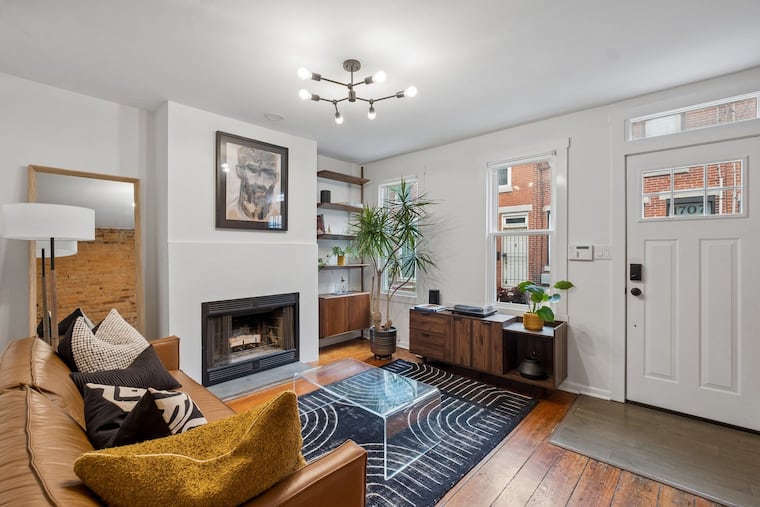
Affordability remains a challenge for renters, even as more apartments flooded markets in recent years, giving renters more options and negotiating power and cooling rent growth. In Philadelphia, the median asking rent in December for a one-bedroom home — $1,490 — was down about 2% from the same time last year, according to Zumper.
The report also gives insights into what renters want. Almost one in five renters who were surveyed said access to outdoor space is a top-three priority when choosing a home. About one in four renters said eco-friendly features were important.
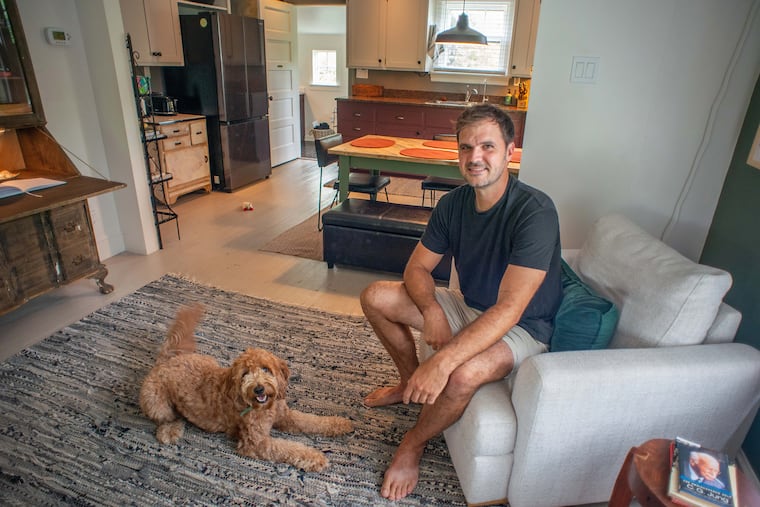
And almost half of renters — 45% — said they have pets, from cats and dogs to lizards and iguanas. In an analysis published last year, Zillow found that landlords who allow pets rent their homes faster.
Here are three takeaways from Zumper’s report on the state of renting in 2025.
Renters are struggling
Roughly three in five surveyed renters are cost burdened. That means they spend more than 30% of their income on rent. But the average renter said they spend 40%.
Renters don’t feel great about the economy. Four in five said they are uncertain or not confident about it, and about two-thirds said they think the country is in a recession.
One in five renters said they moved to lower their cost of living.
Almost three in four renters said they save 15% of their income or less every month. About one in four have student loans, and almost half have credit card debt. That all makes it difficult to cover emergencies or save for future plans, such as homeownership.
Three in four renters said 2025 was not a good time to buy a home.
Fewer renters dream of homeownership
In 2021, 27% of surveyed renters said homeownership was not part of the American dream. That share has grown to 34% this year.
And now 60% of renters say the new American dream means being “untethered” from homeownership, Zumper’s report said. And 30% of renters said they do not ever plan to buy a home.
These shifts “reflect both economic pressures and changing cultural values,” according to Zumper’s report.
The older that surveyed renters were, the less likely they were to say they would ever buy a home. Baby boomers also were the generation least likely to say that homeownership is part of the American dream.
People aged 65 and older are the fastest-growing population of renters in the Philadelphia region, according to Point2Homes, a national rental home listing portal.
These rental destinations were popular
The top five cities that renters said they were moving to include one in the Northeast and two in California.
The most popular city for a move was Los Angeles. Zumper cited the city’s climate and residents’ lifestyles.
Next on the list was Atlanta, followed by New York City, San Francisco, and Charlotte, N.C.
The report said Atlanta and Charlotte offer growing job markets and affordability compared to other coastal cities. It said New York’s high rents were probably why the city wasn’t higher on renters’ list.
And renters were attracted to San Francisco in part because of its tech scene.
After a shift to remote work during the pandemic, more workers now need to go into an office at least some of the time. In 2021, Zumper’s survey found that about 25% of renters only worked from home. That share is down to 12%.
So it’s not a surprise that renters said they were moving to cities that are major job centers. A commute was the third-most-cited deciding factor for renters’ locations.