Some North Philly residents are getting new homes to keep them in their ‘heavily gentrified’ neighborhoods
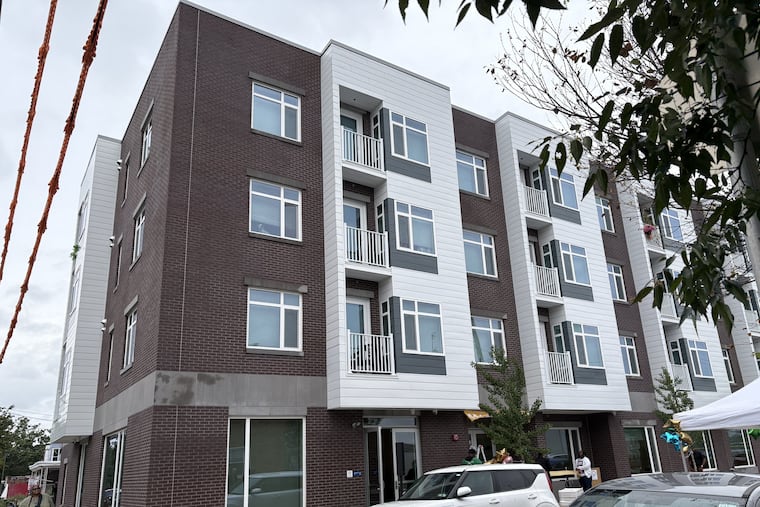
The nonprofit Xiente provides subsidized rental housing and financial coaching to move low-income families into middle class through its Mi Casa program. It plans to develop 100 single-family rentals.
The call that changed Analicia Hernandez’s life came from an unexpected place — the local nonprofit that runs the Norris Square preschool her daughters attended.
Xiente was developing 10 new single-family rental homes for low-income families right in the neighborhood, and the nonprofit would help tenants pay the rent. Would she be interested in living in one of the properties?
Hernandez, who was staying with family, jumped at the chance for her own home.
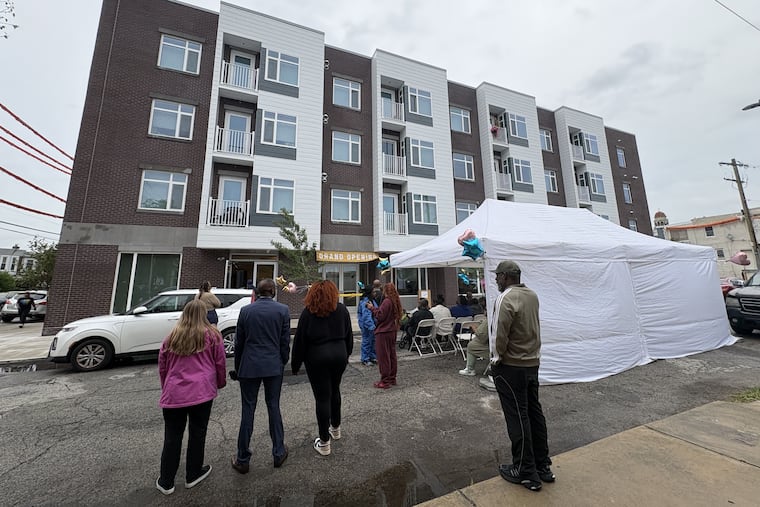
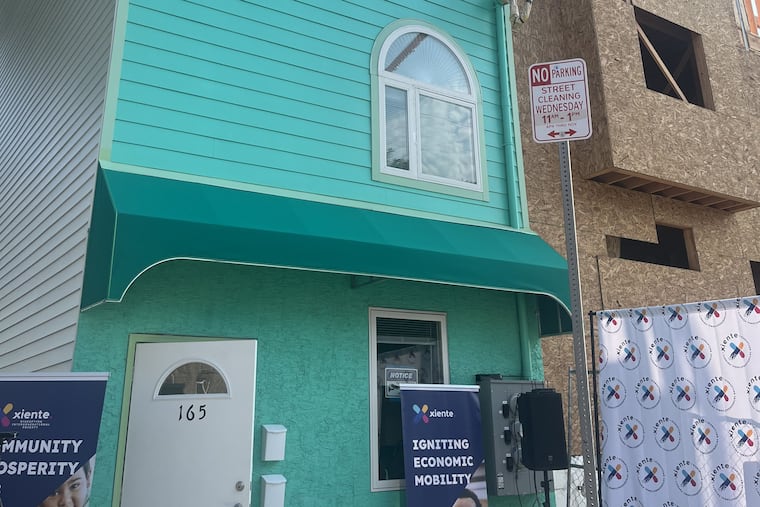
In November 2024, Hernandez, 26, moved with her two daughters — now in kindergarten and first grade — into a two-bedroom house painted bright pink. The property was part of the first phase of Xiente’s Mi Casa initiative, which aims to keep longtime residents of the Norris Square area from getting priced out as home costs continue to rise, said Michelle Carrera Morales, chief executive officer of Xiente, formerly known as Norris Square Community Alliance.
“Our neighborhood is becoming heavily gentrified,” Carrera Morales said. “The need for really and truly affordable [homes] is immense.”
Xiente is now developing 20 more subsidized rental homes for Mi Casa’s second phase, starting with remodeling six Philadelphia Housing Authority properties and then building 14 new units. The nonprofit expects to finish in early 2027.
Mi Casa is a “housing stability initiative” that provides safe and dignified homes, Carrera Morales said. It’s “meant to serve as a bridge” to homeownership, the ultimate goal for Mi Casa clients, and help boost low-income families into the middle class. Mi Casa renters can stay in their homes for up to five years.
All the nonprofit’s renters work with what Xiente calls economic mobility counselors. These counselors connect clients with resources, teach them how to manage their money, and guide them as they work to improve their financial standing.
The nonprofit also has been giving monthly payments of $500 to Hernandez and the other renters in Mi Casa’s first phase as part of an 18-month guaranteed income initiative. The renters can spend the money however they want.
» READ MORE: Philly’s first-in-the-nation experiment giving cash to struggling renters is working, researchers say
Mi Casa’s second phase is funded by $1.5 million from the Federal Home Loan Bank of Pittsburgh and an additional $650,000 from the Leo & Peggy Pierce Family Foundation, the Barra Foundation, and the Homeless Assistance Fund.
By the end of the decade, Xiente plans to develop a total of at least 100 single-family rental homes for low-income families in the 7th Council District, which includes Norris Square, Kensington, Juniata Park, and Frankford.
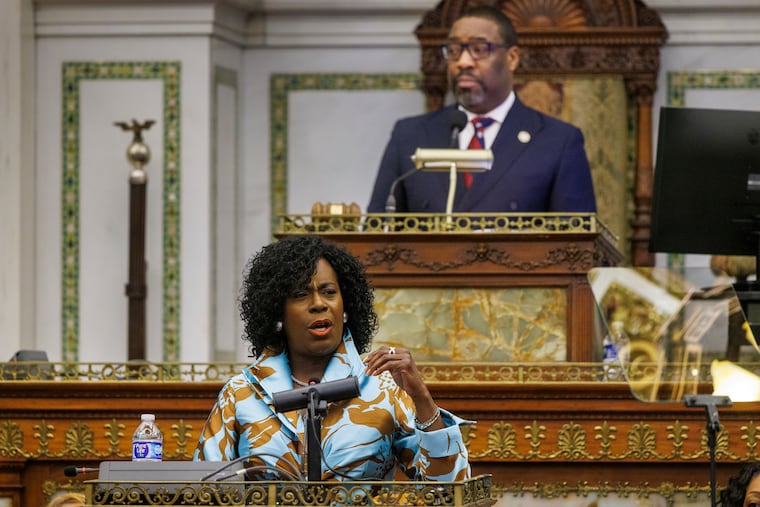
City Councilmember Quetcy Lozada said that neighborhoods in her district have “seen a lot of displacement as a result of some of the projects that have been developed.” She commended Xiente for directly responding to residents’ needs and coaching people to become “long-term homeowners.”
“I can’t wait to see more of it,” Lozada said. “And I encourage other [community development corporations] and developers to think about this outside-of-the-box type of model for people and neighborhoods.”
Moving residents up and out
An economic mobility counselor has helped Hernandez, who works as a home health aide, improve her credit score and learn to manage her finances. The counselor is now helping Hernandez work toward a higher-paying career as an emergency medical technician.
The subsidized housing along with the financial services “help you save and get on your feet,” Hernandez said. “Now I’ve reached that goal where I can put my money into the savings and not touch it.”
Her counselor, Jamika Rodriguez, develops personalized plans for each of her clients. She helps them pay off debt and build their savings to work toward homeownership and other goals. She gets children into afterschool programs and activities and helps adults finish their education. She assists clients in starting businesses.
» READ MORE: In Philly, childcare for two kids costs more than rent — and both are getting more expensive
A big piece of what Xiente calls its Prosperity Project is working to break cycles of intergenerational poverty.
Rodriguez said she regularly asks clients, “Where do you see yourself in five years? What is your goal if you didn’t have … obstacles in your way? What would your perfect life be?”
And then she helps them work to meet immediate needs, overcome barriers, and achieve the life they want. For example, if a parent is a child’s only caregiver, which makes working difficult, Rodriguez first finds safe and affordable childcare.
“We’re a strong believer that your net worth is your network,” she said.
The rental homes
The 20 homes in Mi Casa’s second phase will come with federal housing vouchers that will pay part of the rent for tenants. These units will be offered to households making at or below 50% of the area median income, which is $53,750 for a household of three.
Five of the units from the Philadelphia Housing Authority that will be renovated have four bedrooms and one bathroom, and the sixth has five bedrooms and 1½ bathrooms.
“We want to be able to serve larger families that sometimes it’s very hard for them to get a good family unit,” Carrera Morales said.
The 14 homes that Xiente plans to build will have two bedrooms and one bathroom.
The 10 rental homes that were built in the first phase of Mi Casa have one to three bedrooms and one bathroom. Xiente subsidizes those rents so that tenants pay no more than 28% of their monthly income.
Households in phase one could make up to 60% of the area median income, which is $64,500 for a household of three.
Xiente chose bright colors for the houses to honor the heritage of Norris Square’s Puerto Rican community, Carrera Morales said. They are the colors of houses in Old San Juan.
Hernandez said she’s been spreading the word about Xiente’s services and the Mi Casa initiative.
“It’s helped out a lot,” she said.