The Flyers are good again, and the NHL is better for it.
There are certain cities and markets where hockey really matters, and there are certain franchises that really matter, and this postseason is better for having the Flyers in it.
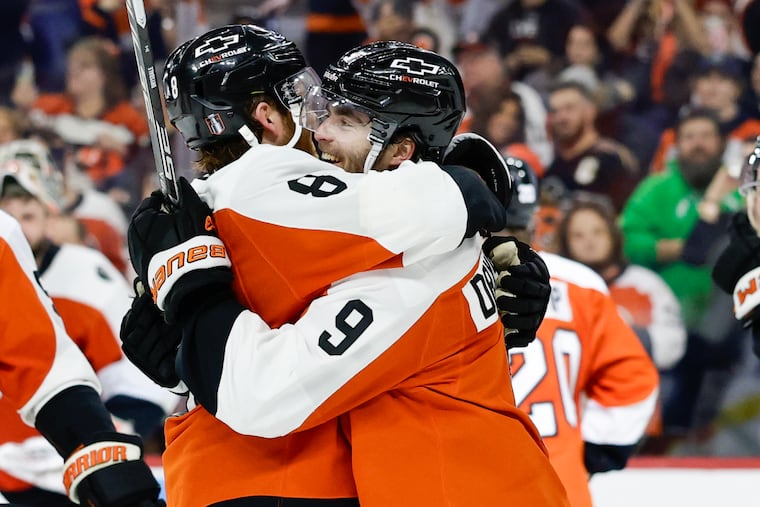
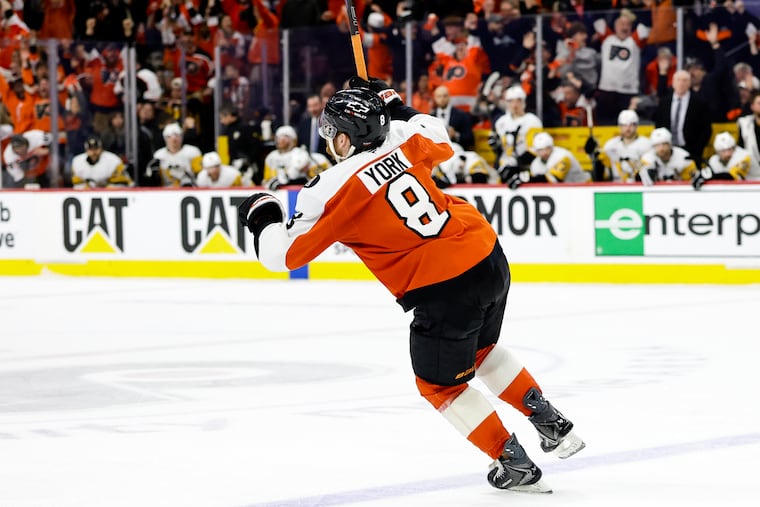
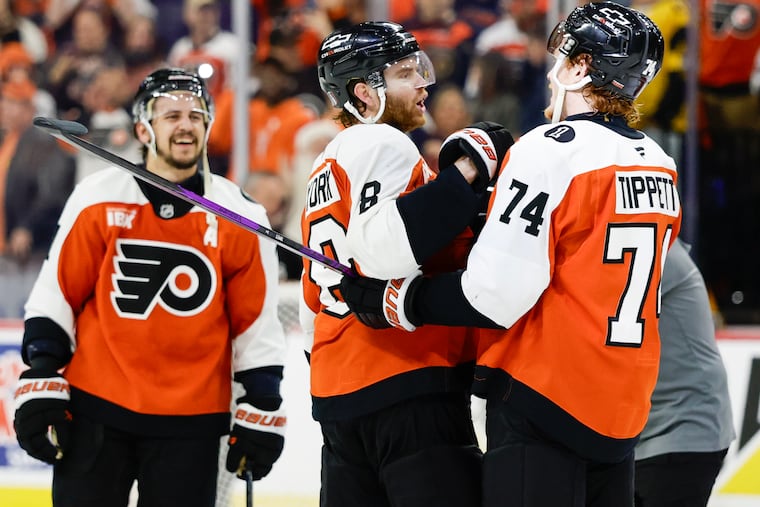
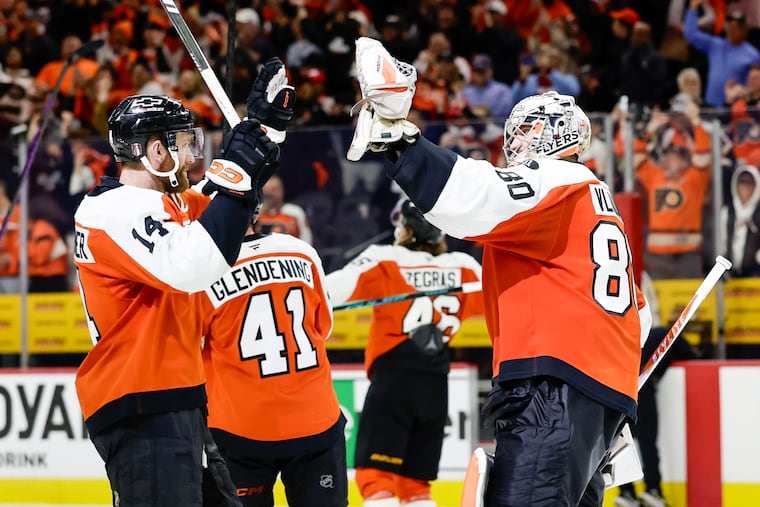
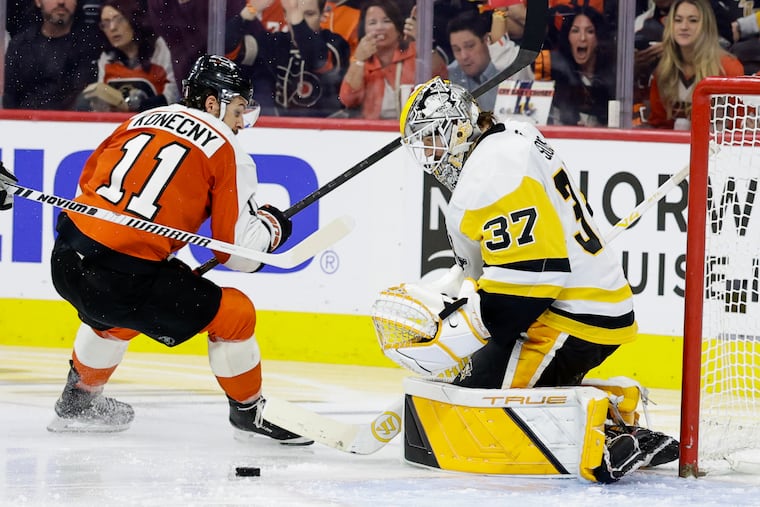
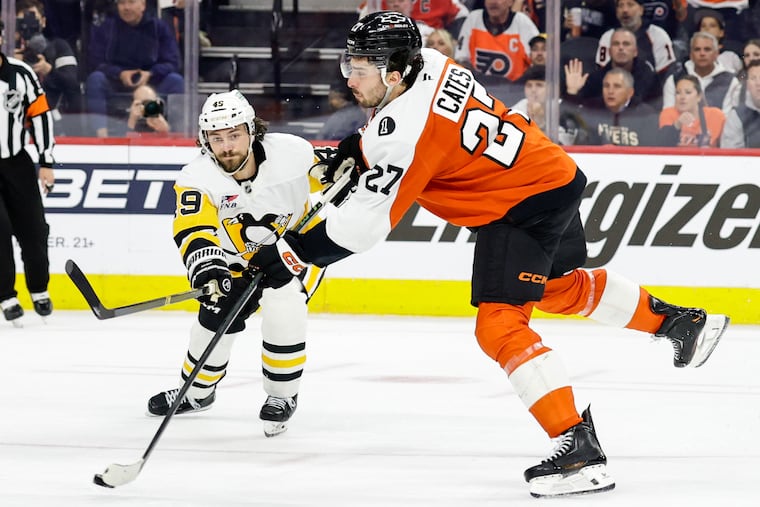
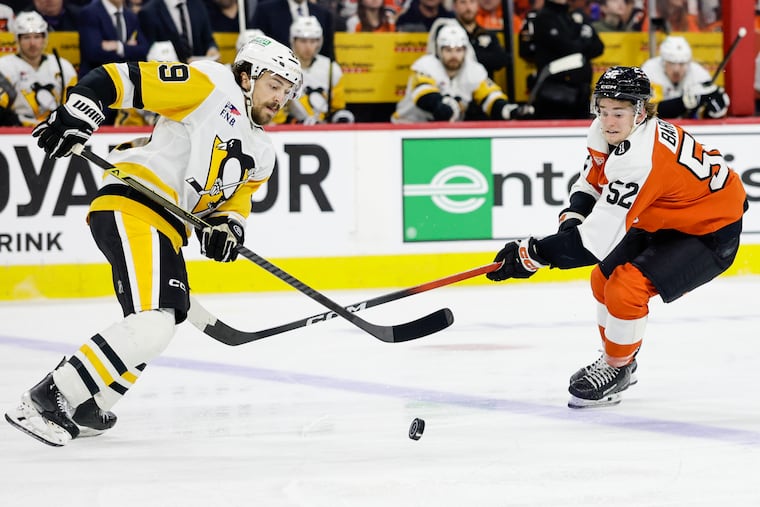
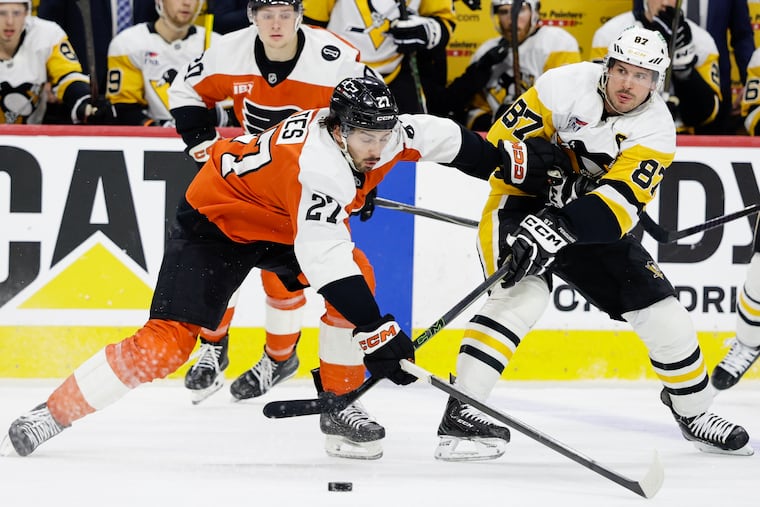
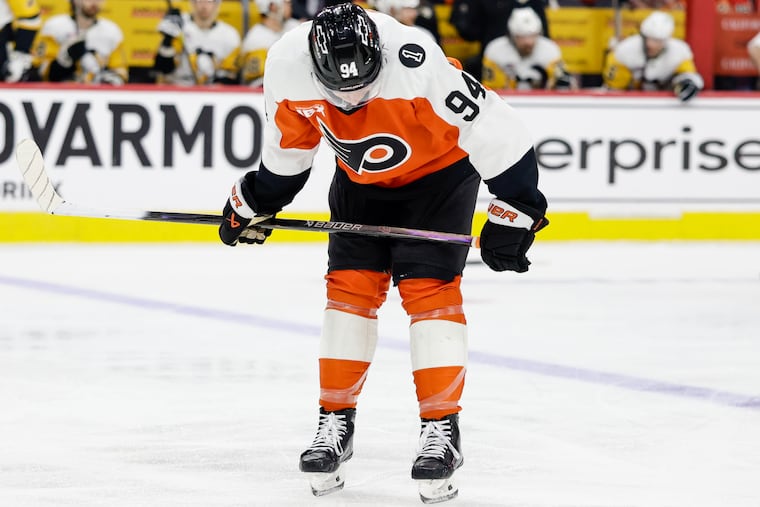
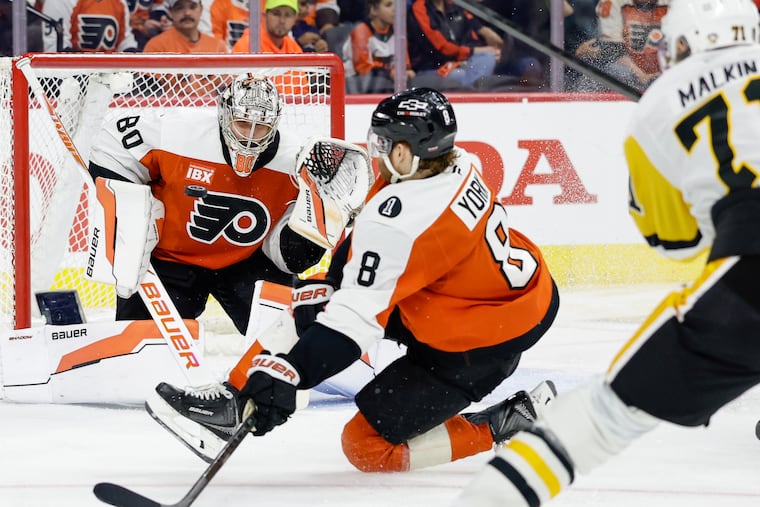
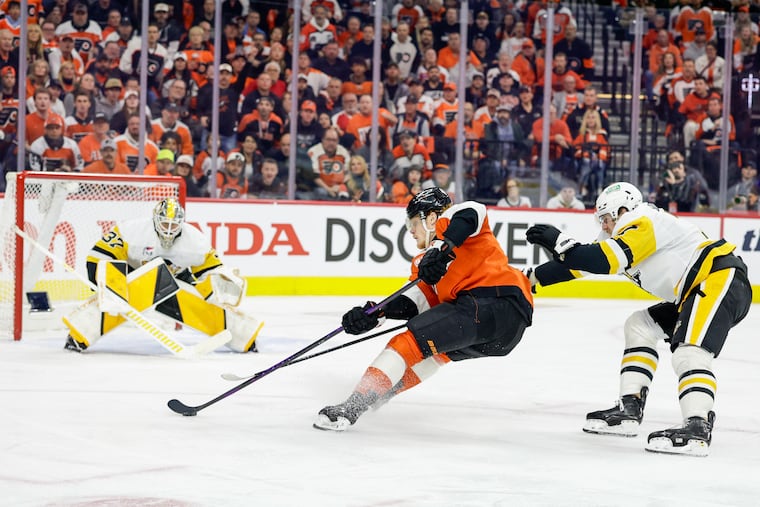
The official start time of Game 1 of the Flyers’ second-round series against the Carolina Hurricanes is 8 p.m. Saturday. This bit of scheduling has been, so far, the most predictable result of the NHL postseason. Forget the Hurricanes’ sweep of the Ottawa Senators or the Colorado Avalanche’s four-game whitewash of the Los Angeles Kings — the Eastern and Western Conferences’ No. 1 seeds moving on with ease. That was nothing compared to Turner Sports or ESPN putting the Flyers in prime time. You could see it coming the instant that Cam York’s 40-foot wrist shot billowed the back of the net in Game 6 against the Penguins. The Flyers are a draw, one of the biggest in this tournament — not just because they’re back in the playoffs after a six-year drought, but because … well, they’re the Flyers.
That assertion might sound like the kind of thing a die-hard fan would say about his or her favorite team. Flyers rule. Canes drool. But it’s not — at least, it’s not intended that way. It’s simply a reflection of a particular reality within the NHL: There are certain cities and markets where hockey really matters, and there are certain franchises that really matter, and this postseason is better for having the Flyers in it.
» READ MORE: Flyers vs. Hurricanes: Key matchups, X-factors, and predictions for the second-round playoff series
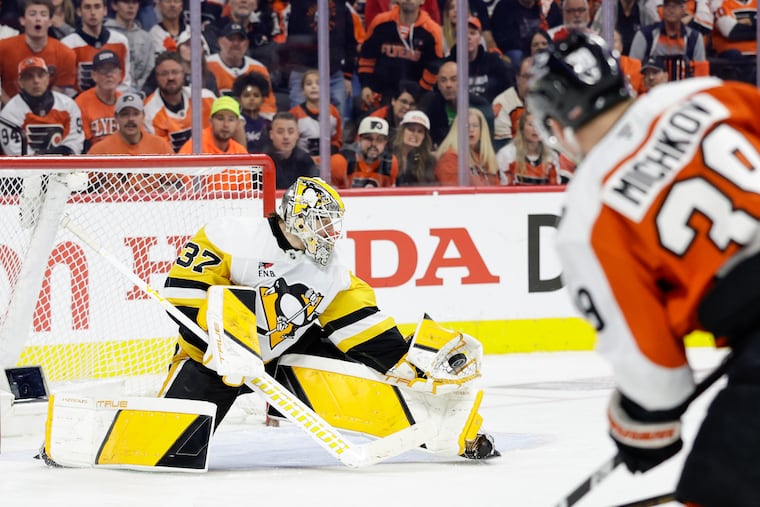
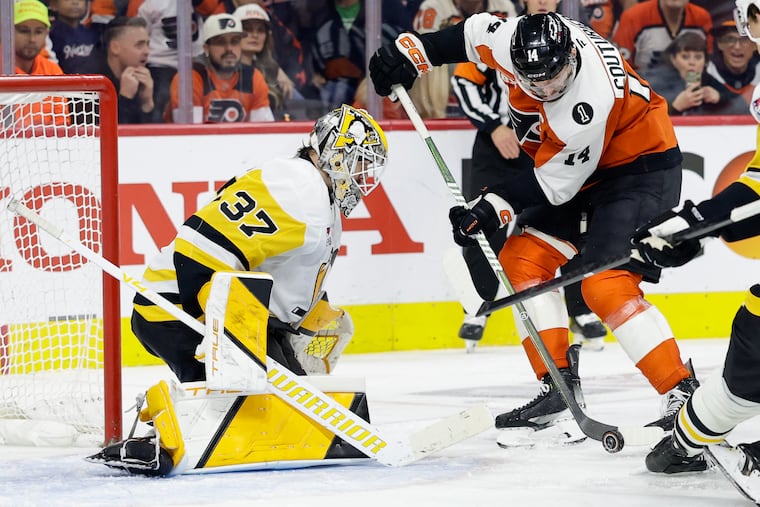
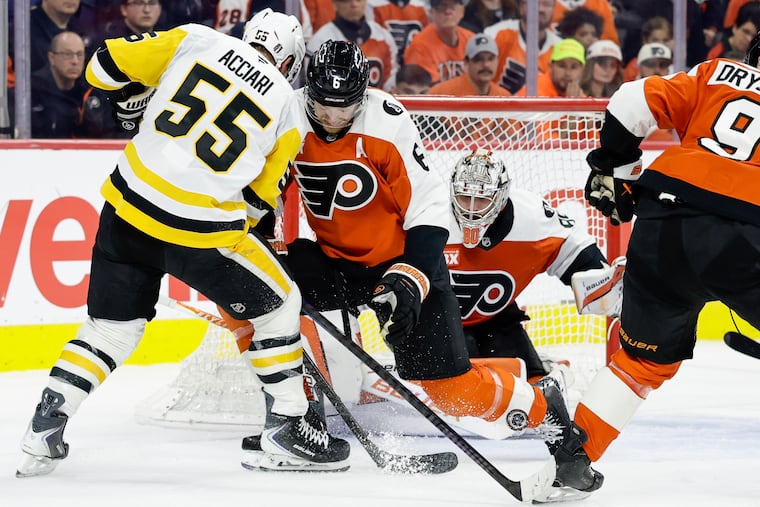
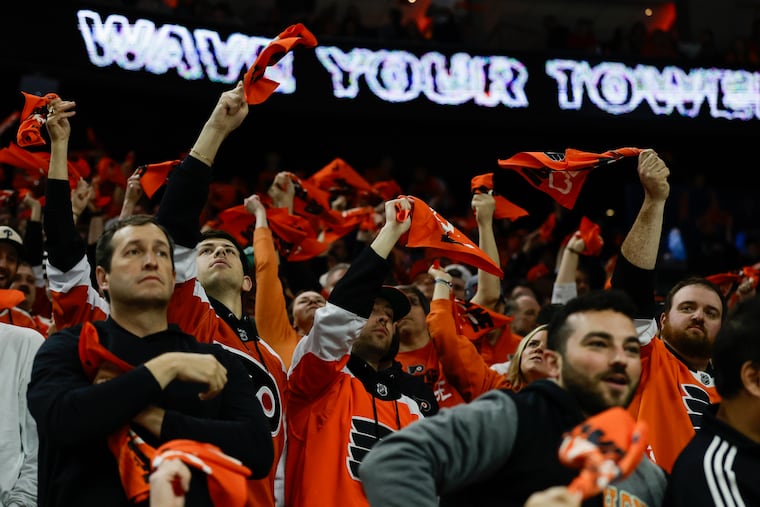
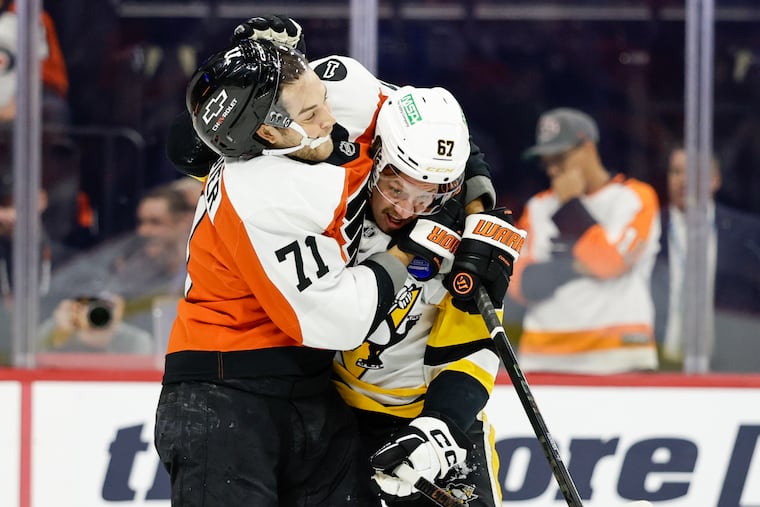
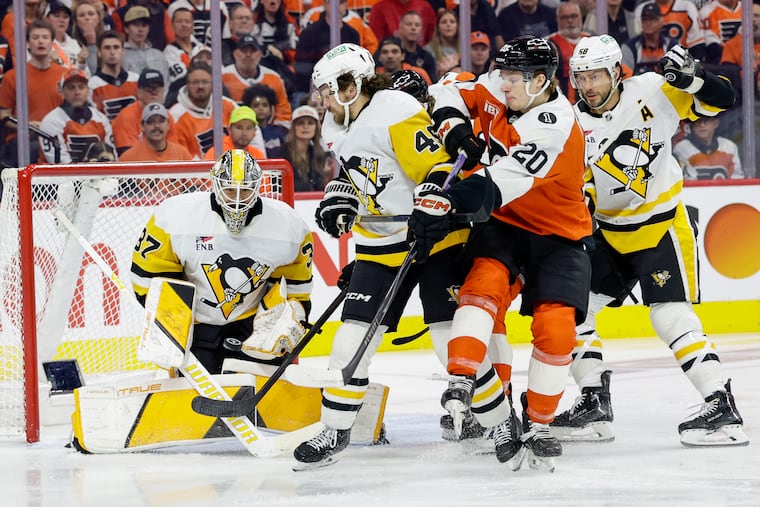
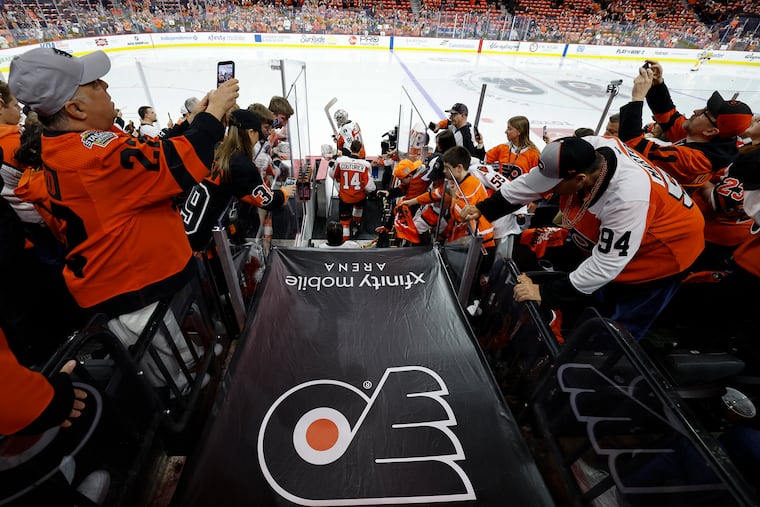
You saw it in the reaction to Turner analyst Paul Bissonette’s calling the Flyers’ style of play “scumbag hockey” — as a compliment — in that series against the Penguins. You saw it in the contempt that the Flyers’ fan base had toward the Penguins and that the Penguins’ fan base had toward the Flyers. You see it in the Flyers’ history and reputation and the charged atmosphere in the Xfinity Mobile Arena after York’s goal Wednesday night. People love them. People hate them. People pay attention to them.
“I didn’t know a thing about Philly when I got here,” said York, who grew up in Anaheim and was drafted 14th overall by the Flyers in 2019. “I was just a surfer kid from California. As I got here, you hang out around people, and you go to sporting events — I’m a huge sports fan — you start to get that feel of the love-hate relationship.”
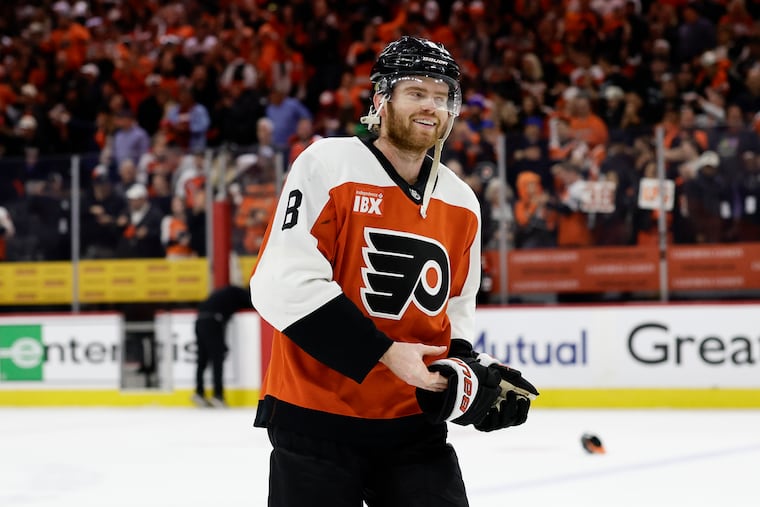
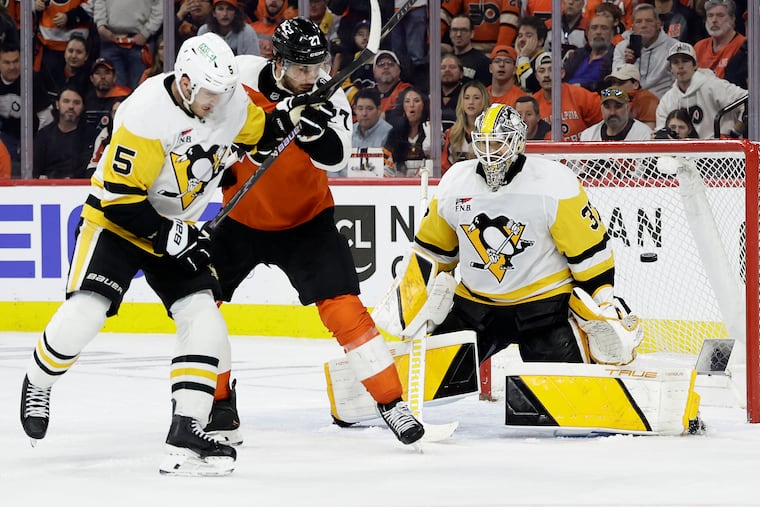
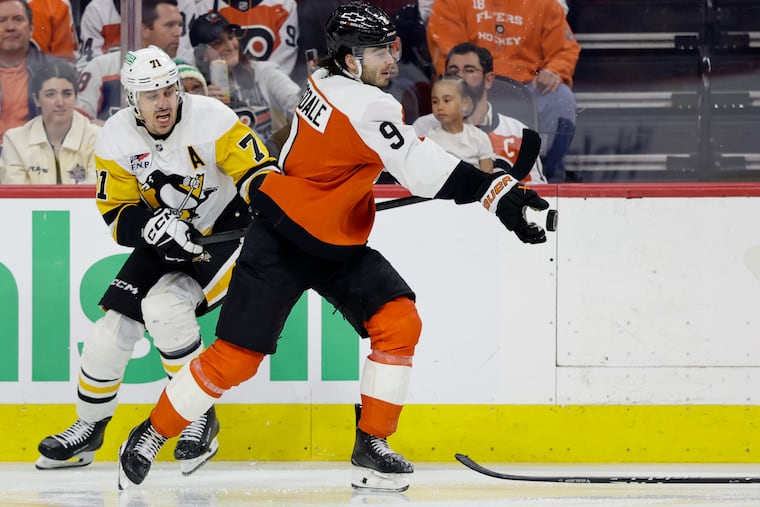
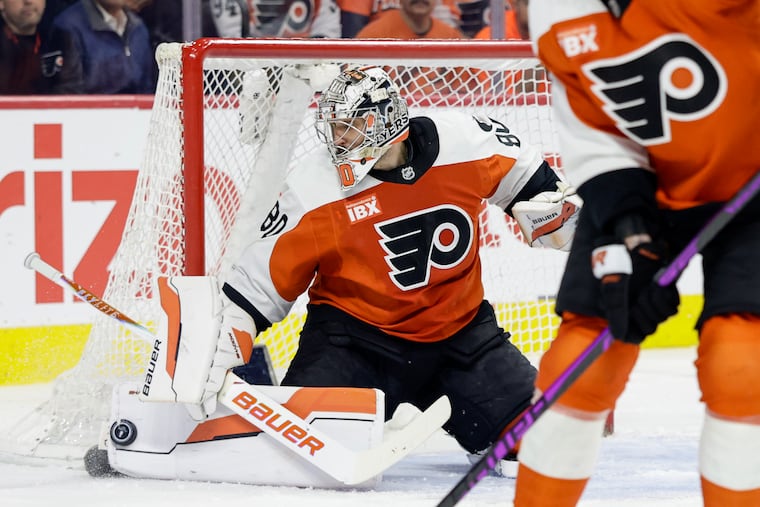
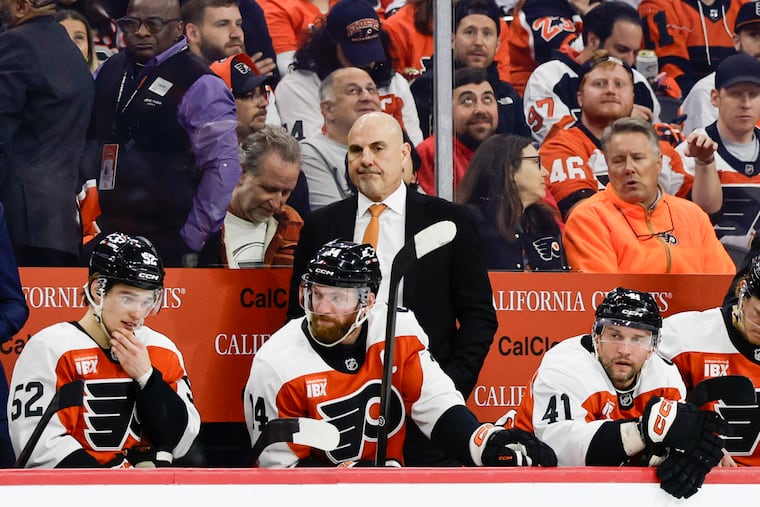
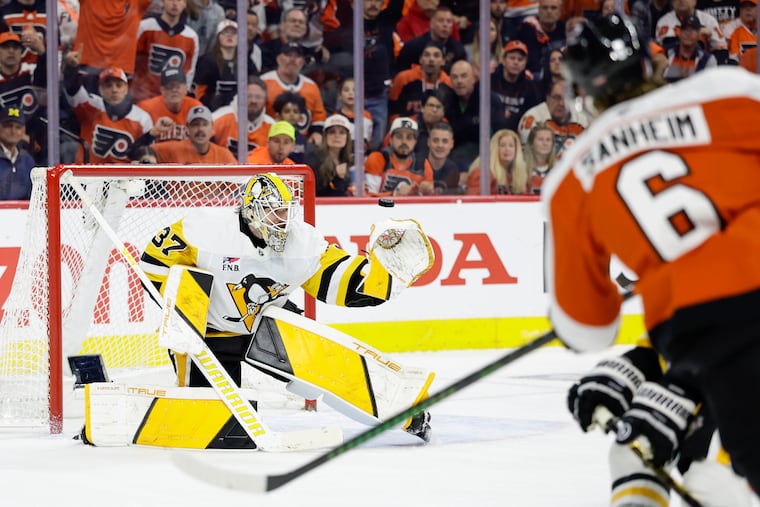
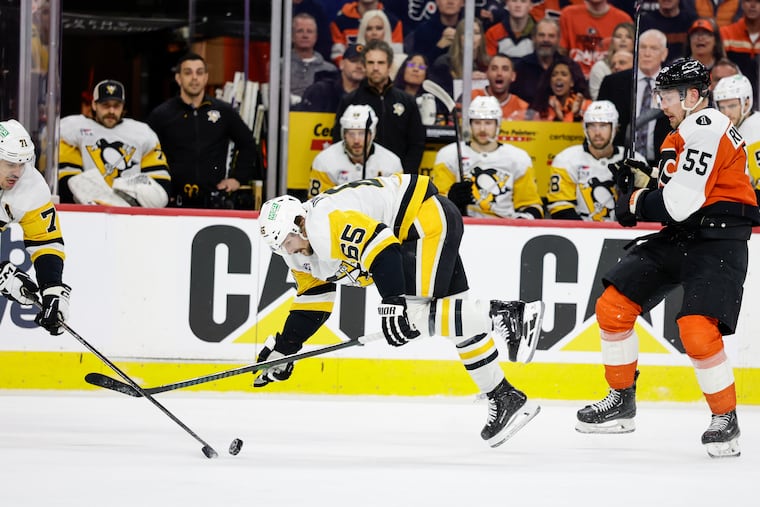
Look, no offense to the Florida Panthers or the Tampa Bay Lightning or the Vegas Golden Knights. Those franchises have combined to win five of the last six Stanley Cups and appear in six Finals in the last eight years. Great teams, pretty much year after year. But sorry, there’s just no comparison between the relative interest in those teams in those warm-weather cities and states and the mania that the Flyers inspire in their fans. Or that the Buffalo Sabres — back in the playoffs for the first time in 15 years — have inspired in theirs. Or that fans of the Boston Bruins or Montreal Canadiens share. Or that was on display inside the Grand Casino Arena in St. Paul on Thursday night, when the Minnesota Wild’s Quinn Hughes Willie Monsconi’d a shot off a Dallas Stars player’s skate to send the Wild to the second round.
“This year, more than recent years, at least in my memory, there are more traditional hockey markets who have missed out lately and are in it somehow altogether, and that’s what makes it crazy,” Flyers forward Garnet Hathaway said. “As a biased Flyers fan myself, to get Philly fans in the playoffs is a new feeling in the league.”
» READ MORE: Flyers embracing the quick turnaround as they head to Carolina for Game 1: ‘Let’s get right back at it.’
More like a new old feeling. The Flyers took so long to return to relevance that it’s easy to forget how much they once mattered to the NHL. Were the Broad Street Bullies an affront to many of the league’s traditionalists and cognoscenti back in the day? Of course. But those teams penetrated mainstream American culture in a way that few figures or institutions in the sport have. The Flyers were villains, or at least perceived as such, for generations. They were contenders in the mid-1990s and early 2000s, when the league had a major national-television platform on ESPN (in a pre-cord-cutting world), when familiar franchises and big-market teams — the Detroit Red Wings, the New York Rangers, the Avalanche, the Stars, the New Jersey Devils — were competing for the Cup every year.
This season’s Flyers aren’t at that level yet. If they push the Hurricanes to six games, it would be a solid showing for a young team with still a long way to go. But they’ve provided a glimpse of what it would be like — will be like? — if they got back to being an elite team.
“You see what the Buffalo crowd has done,” York said. “They’ve been incredible. Our crowd has been absolutely insane. Our fans have obviously been patient for the most part, but they’ve wanted it for a long time now. Because they’ve had to wait longer than they wanted to, it makes them more excited. It’s great for the game.”