Tanking NBA teams should lose their lottery slot as ‘The Process’ leaves its rancid legacy
The Sixers began the epidemic 13 years ago with The Process, which didn't even work. But it's worked for other teams since, and it's turning the NBA into a joke.
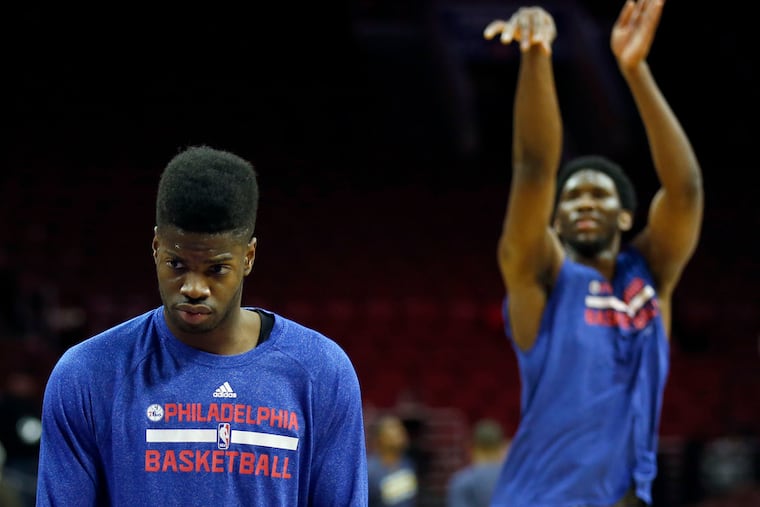
NBA commissioner Adam Silver last week fined the Utah Jazz $500,000 for tanking. He fined the Indiana Pacers $100,000 for doing the same.
The Jazz paid Lauri Markkanen more than $500,000 for each of the games in which he was benched to ensure losses. The Pacers paid Pascal Siakam more than five times their fine for sitting him on Feb. 3. The teams literally paid the players more than the fines to not play. The fines were nothing more than performative outrage. The fines were a joke.
The NBA is fast becoming a joke.
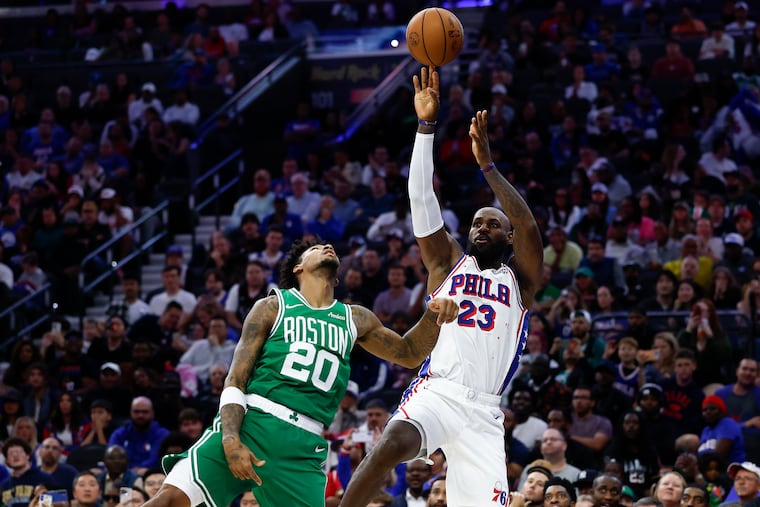
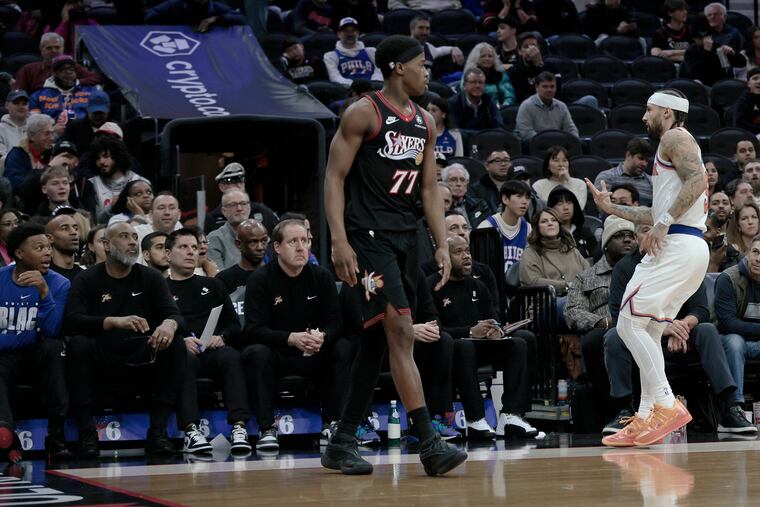
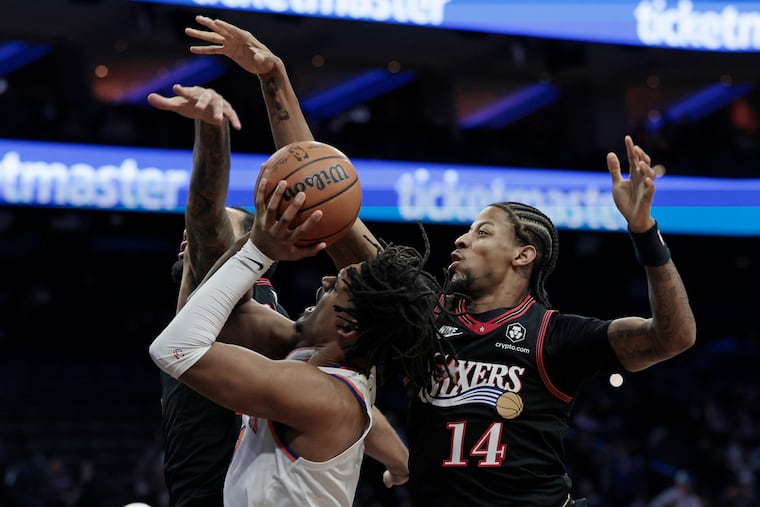
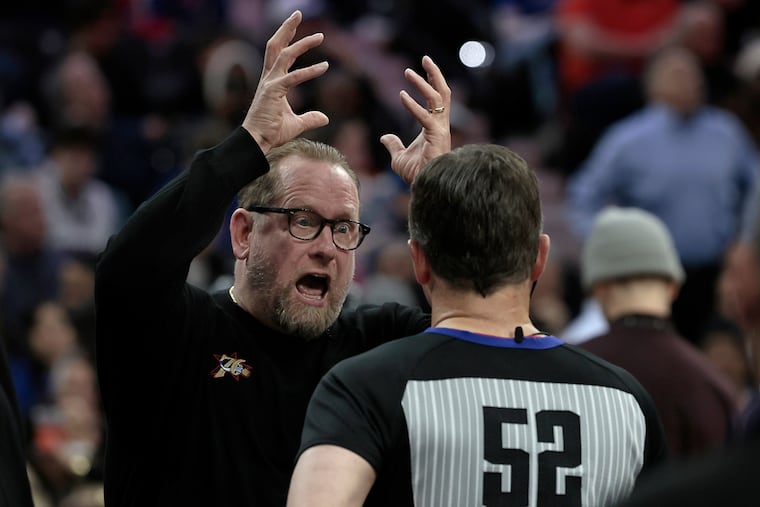
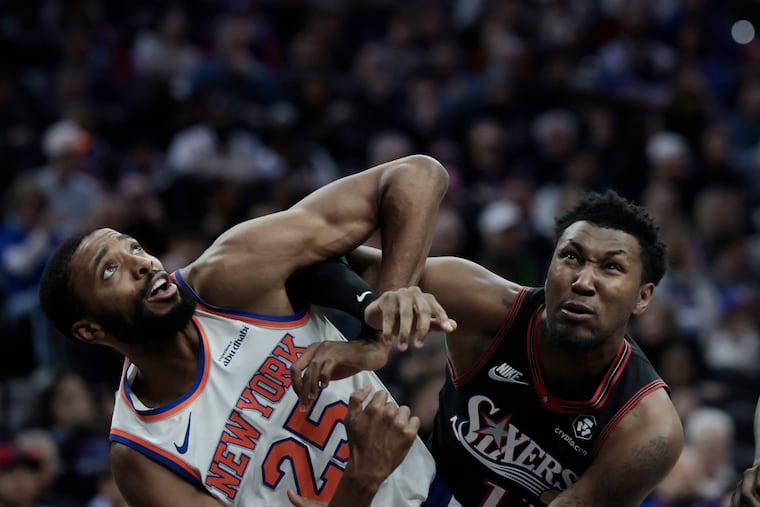
For years, the NBA has faced the existential threat of dwindling interest because its uninteresting product is infected with the simultaneous practices of tanking, losing on purpose to secure a better draft position; and load management, not playing available players to better ensure their availability in the postseason. The Sixers have been on the vanguard of both of these reprehensible movements; first, by instituting “The Process” 13 years ago, and then by coddling premier players like current centerpiece Joel Embiid.
» READ MORE: Inside Sixers: VJ Edgecombe’s new mentor, Tyrese Maxey’s ‘tanking’ perspective, and more from All-Star Weekend
Load management might never go away. After all, it kept Kawhi Leonard viable for the Raptors’ 2019 title run, and it’s keeping LeBron James viable at the age of 65, or however old he is (he’s now up to 41).
Tanking? That’s another story. The NBA could fix that in a hot minute if it wanted to. It is a blight on the sport, a fraud perpetrated on fans, media partners, and sponsors on a nightly basis, all brazenly executed, and with no real penalty.
It is a league descending into fringe status, one without a universally likable face this century besides, at its very beginning, Michael Jordan, and even he turned out to be kind of a jerk.
Silver said at his All-Star Game press conference Saturday, “There is talk about every possible remedy now to stop this behavior.”
There is a simple remedy to stop this behavior: Kick the cheaters out of the lottery and replace them with honestly mediocre teams.
This penalizes the egregious tankers, but still gives them a reasonable chance to improve despite their crimes against basketball. It rewards non-tankers who played just well enough to miss the lottery.
This is not the only solution.
One thought: Silver could fine teams even more. ESPN’s Kendrick Perkins suggested $5 million per infraction.
The problem: That’s still chump change. The Pacers owners have a combined net worth of about $16 billion; co-owner Steven Rales spends $5 million on biotech research and development every day.
Another idea: The NBA could abolish the draft entirely. On Monday, David Aldridge of The Athletic wrote exhaustively about such a proposal.
The problems:
Teams that play in states without a state income tax, such Florida’s Heat and Magic and Texas’ Mavericks, Spurs, and Rockets, would have a significant financial advantage in attracting young talent. Similarly, big-market teams in Los Angeles and New York would attract big-endorsement players, whose endorsers would make it worth their while to be a Laker or a Knick.
Ask any 19-year-old kid if he’d rather stay warm with the Heat and make more after-tax money, play for the Clippers in the epicenter of hedonism, or spend six months in frigid, turgid Milwaukee?
The better solution:
If you get caught tanking in the manner of the Sixers from 2013-16, when they won a total of 47 games in three seasons, then you lose your place in the lottery. Your chance at the top-tier players of the best draft in eight years — gone.
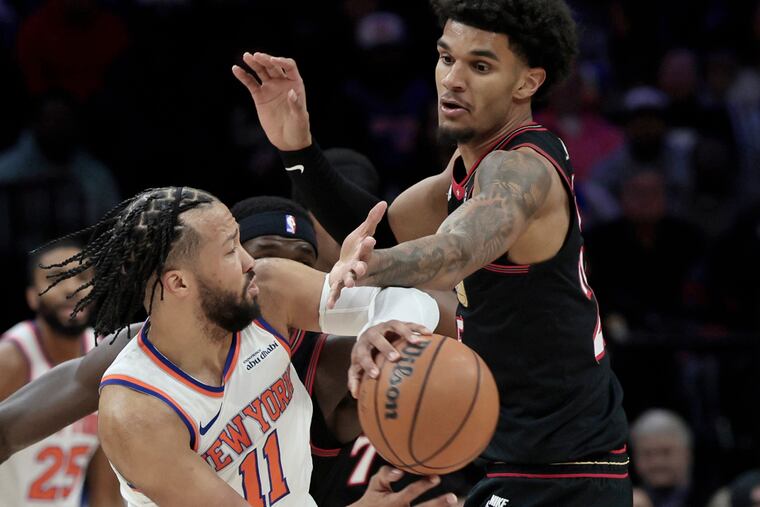
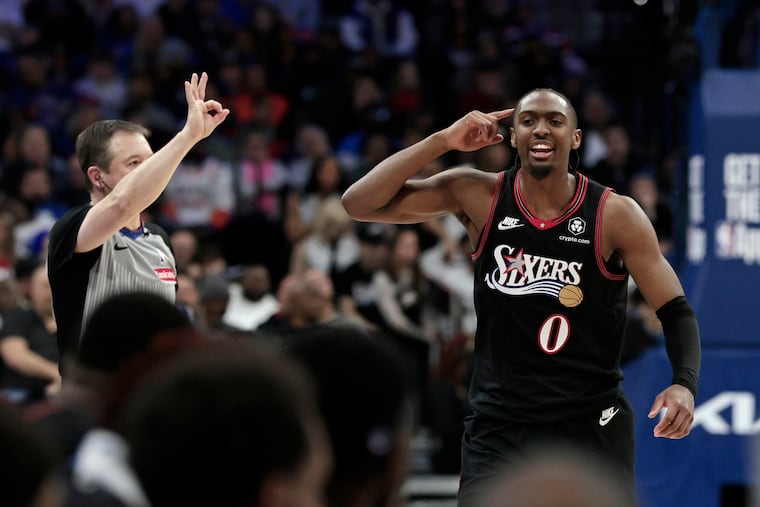
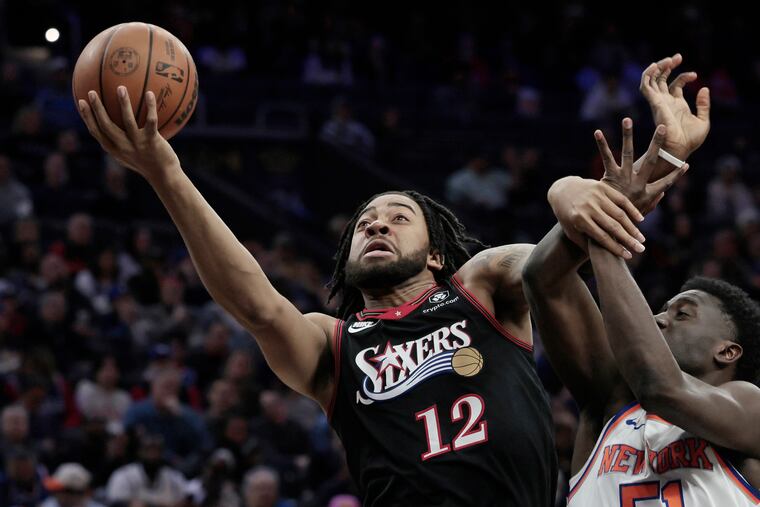
In the NBA draft, the top 14 draft slots are lottery slots. That means teams with those picks have a chance for the No. 1 overall pick. Generally speaking, the worst teams have the best chances at the higher picks.
If a team is found guilty of tanking, they’re out of the lottery. They move to the 15th slot in the draft, and the 15th team moves into 14th and therefore into the lottery.
If a team has two lottery slots in the draft, their higher-slotted pick gets moved down.
If a team is found guilty of tanking twice in the same season, they move from 15th to last, or 30th, and the other 15 non-lottery teams move up one slot.
If a team has two lottery slots in the draft and is found guilty of tanking twice in the same season, that lottery slot is moved to 15th, which bumps their previous lottery slot from 15th to 16th, and it bumps the team with the original 16th slot into 14th, the team with the original 15th slot to 13th, etc.
It might sound complicated but it’s not. You violate the spirit of the process (delicious usage there), you lose your privilege. It’s not as draconian as it might be.
You still get to draft, and thereby get a little better.
Unless you’re an idiot and offend repeatedly, you still get to draft at a decent spot. Tyrese Maxey, Siakam, Jarrett Allen, and Jalen Brunson all were drafted 16th or lower.
Then again, so were Wade Baldwin, Justin Patton, and, of course, former Sixers prospect Zhaire Smith.
That should be enough to scare off any would-be tankers.