Uber says rides in Philly would cost you more under Mayor Parker’s budget plan
The proposed 20-cent fee on each Uber ride “will be passed on directly to riders,” a company spokesperson said. Some retail deliveries would also face new levies under the proposal.
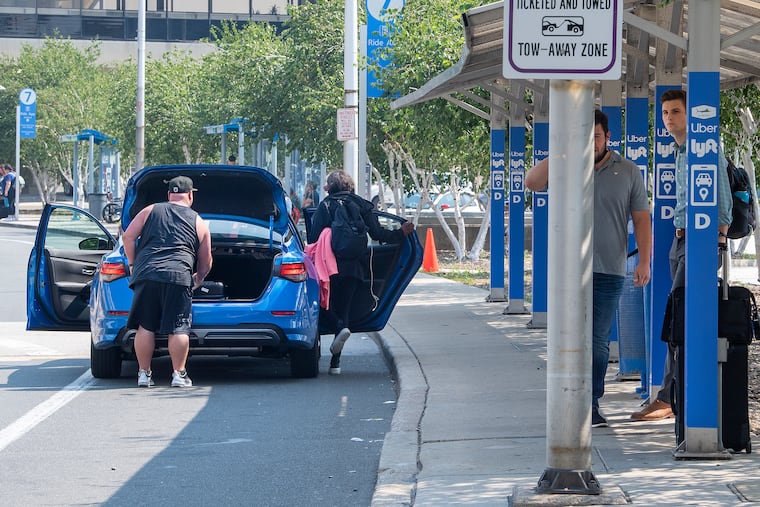
Uber customers would end up paying for the new rideshare fee proposed in Philadelphia Mayor Cherelle L. Parker’s budget plan, the company said.
In Parker’s $7 billion city budget plan unveiled Thursday, the mayor proposed a 20-cent-per-ride fee for services like Uber and Lyft. Parker’s budget also proposed a new fee hitting online retailers. Both require approval by city lawmakers.
“This proposal would worsen Philadelphia’s affordability and transportation crisis by imposing a regressive surcharge that raises costs on working families who rely on affordable rides, at a time when reliable transportation options are being cut,” Uber spokesperson Jazmin Kay said in a statement.
Rideshare costs can vary greatly, with prices surging at times of higher demand. A six-mile Uber in Philadelphia cost $29.18 on average in 2023, according to a study from the online lender CashNetUSA. Over the past month, standard Uber rides between the airport and popular city locations have cost between $30 and $46 for 8- to 13-mile trips, according to Uber data, which accounts for a $3 surcharge on most airport pickups.
The mayor estimates the levy on rideshare services would bring in more than $9 million a year, which would go to the Philadelphia School District.
» READ MORE: Who benefits — and who pays — in Mayor Cherelle Parker’s new Philadelphia budget plan
The 20-cent fee would be on top of a 1.4% tax already imposed by the Philadelphia Parking Authority on rides that start in the city. Two-thirds of that revenue goes to the school district.
“This additional tax, on top of the existing tax, will be passed on directly to riders who will pay more on each ride,” Kay said. “This means it will cost more to get around in Philly and will cost more for residents to get to their jobs, doctors’ appointments, schools, and more.”
Spokespeople for the rideshare service Lyft, which has a smaller market share than Uber, did not respond to requests for comment.
The news of a potential new fee comes amid national reports that rideshares have become more expensive in recent years. Prices increased nearly 10% between December 2024 and December 2025, according to an annual report from Gridwise Analytics, which analyzes gig-economy data.
At various times over the past year, some local consumers reported difficulty hailing a ride at all in certain locations, including at the stadium complex in South Philadelphia. Drivers said those problems represented a microcosm of larger issues, including a decrease in what drivers are paid for each ride. In response, Uber, which sponsors the stadium pickup lot, said it temporarily increased fares by $5 on all trips originating from the stadiums.
» READ MORE: Is the Uber situation improving at the South Philly sports complex? Depends on whom you ask.
Rideshare services would not be the only companies hit with new fees under Parker’s plan.
Parker has proposed a 25-cent fee on “retail delivery” services, with exceptions for shipments of food, baby products, and medical supplies. Those funds would go toward street improvements.
The mayor also wants to make online retailers based outside Philadelphia collect the city’s 2% sales tax when they sell to Philly customers, on top of the 6% state sales tax they already pay. This measure would require authorization from state lawmakers.
Businesses like Uber and Amazon would have to decide whether to pass these charges on to their customers. Parker indicated she wants retailers to shoulder the cost.
“These proposed taxes will be paid by companies doing business in Philadelphia,” Parker said.
Spokespeople for the e-commerce giant Amazon, which commands the highest market share of online retailers, and Walmart declined to comment for this article.
These fees are not set in stone. City lawmakers will hold hearings on the proposed budget and negotiate amendments in the coming weeks, with a final version expected to be approved in early June.
Staff writer Jake Blumgart contributed to this article.