Who benefits — and who pays — in Mayor Cherelle Parker’s new Philadelphia budget plan
SEPTA is a winner. Hotels, Amazon, and Uber are among the losers.
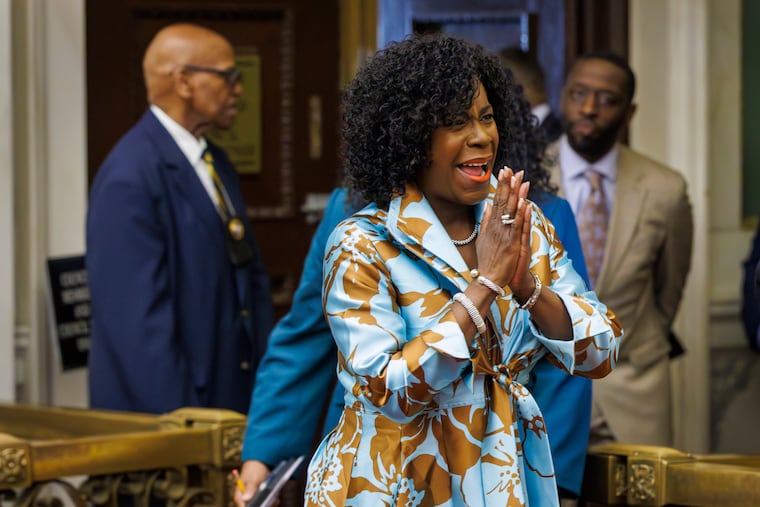
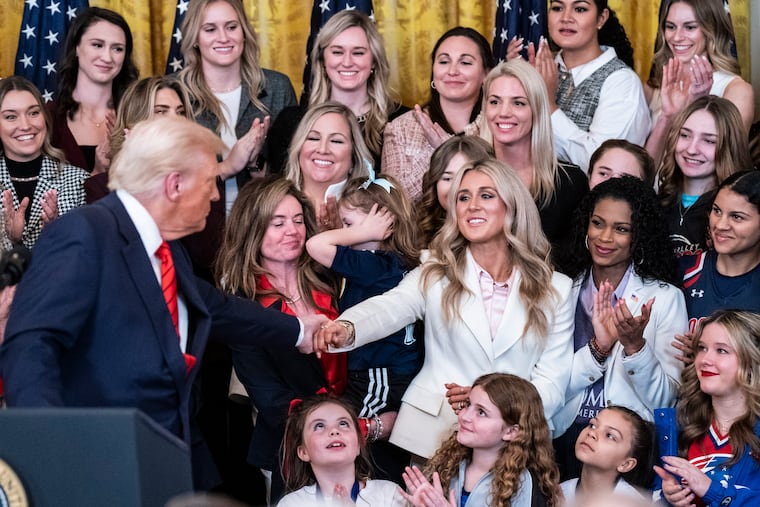
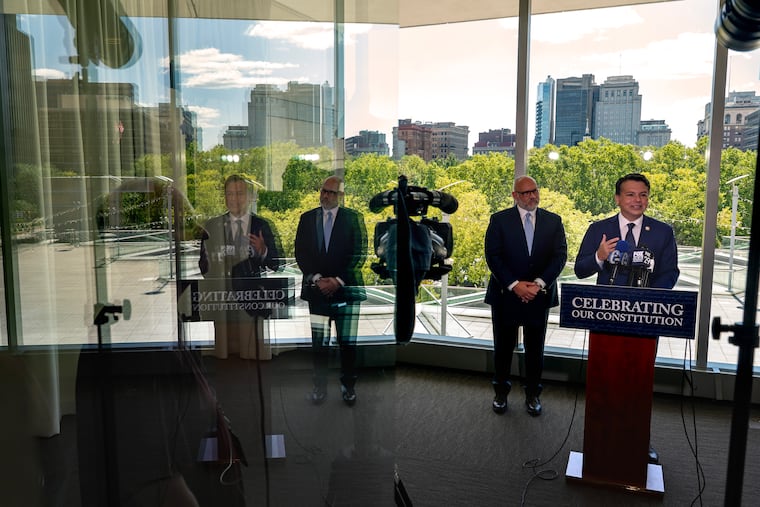
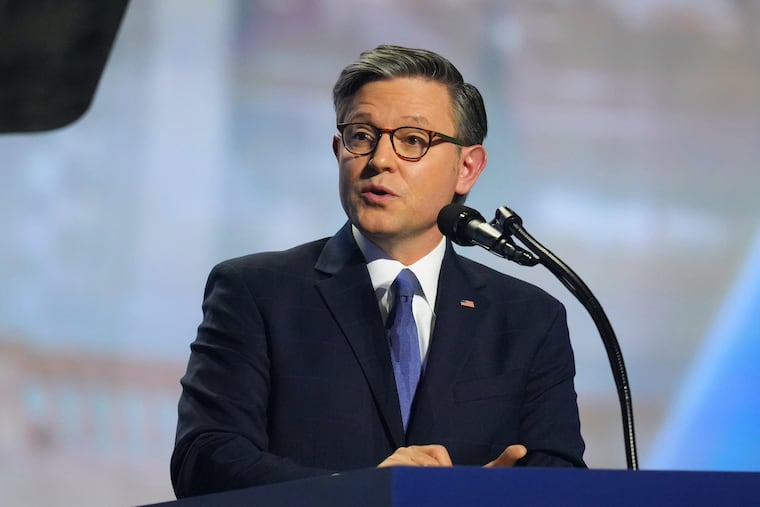
Mayor Cherelle L. Parker said Thursday that her vision for Philadelphia in the coming year is to bolster job opportunities, wage growth, and homeownership.
But her budget proposal unveiled this week also includes a handful of new investments (read: programs getting funding) and new revenue streams (read: people getting taxed).
“It is not just a ledger full of numbers,” Parker said during her address to City Council on Thursday. “It’s a bold set of strategic investments.”
These are the winners and the losers in Parker’s $7 billion budget proposal for the coming fiscal year.
The winners
SEPTA
There were rumors for weeks that Parker would propose ending funding for the city’s popular Zero Fare program, which provides free SEPTA passes to low-income residents.
She attempted last year to end the program, which was created in 2023 by former Mayor Jim Kenney as a two-year pilot and serves about 60,000 people. But members of City Council revolted, and funding was ultimately restored after public backlash and a rare op-ed from Kenney.
» READ MORE: Mayor Parker plans to renew Zero Fare program for SEPTA
Parker gave transit advocates a win this year by avoiding a repetition of that fight. She proposed allocating $25 million this year to fund the Zero Fare program, as well as an additional $10 million to continue a program that provides free SEPTA rides to city employees.
“Economic mobility starts with something very simple,” Parker said. “And guess what that is: a reliable way to work.”
In total, the mayor wants to allocate $900 million to the struggling transit authority over the next five years. About $752 million of that would be to support SEPTA’s operating expenses, and an additional $80 million would be for capital improvements and construction.
Riverview Wellness Village
Parker wants to pour more resources into the city-run recovery house that the administration opened last year in Holmesburg. More than 200 people in recovery from addiction currently live at Riverview, which is adjacent to the city’s jail complex, and where residents can live for up to one year.
Under Parker’s plan, the city would allocate $211 million to cover just the operating expenses at Riverview over the next five years, a massive investment in an initiative that the mayor sees as critical to stemming the pervasive drug market in Kensington.
The vast majority of those costs would be covered by funds the city has derived from settling lawsuits against corporations that manufactured, marketed, and sold the powerful painkillers that fueled the opioid crisis. Those companies include drugmakers and Walgreens.
Parker said the administration intends to expand programming at Riverview, including workforce training and financial counseling, “so that residents who leave Riverview, they will leave with housing, the ability to earn an income, and stability.”
Philadelphia Parks and Rec employees
The mayor is proposing setting aside $5 million for seasonal employees who work in the city’s parks and recreation centers to get raises.
The move follows a yearslong push by advocates for the city’s parks system who have long said that part-time and seasonal workers are underpaid.
The losers
Hotels and people who stay in them
Planning to stay in a Philly hotel sometime soon? You might see a slight bump in your bill if Parker has her way.
She is proposing a 2% increase to the city’s hotel tax. Currently, hotel guests pay a 15.5% tax on their total bills — 7% of that goes to the state and 8.5% goes to the city.
Under Parker’s plan, the city’s portion of the tax would increase, bumping the total levy to 17.5% for hotel guests. She wants to use the revenue from that, estimated to be more than $20 million a year, to expand the city’s homeless shelter capacity by 1,000 beds.
If approved, the increased tax would take effect in August. That would be after the city hosts thousands of expected visitors for FIFA World Cup games, the Semiquincentennial celebration, and the MLB All-Star Game, all of which are in June and July.
Hotel owners are already opposing the plan. Ed Grose, president and CEO of the Greater Philadelphia Hotel Association, said that he supports Parker’s desire to combat homelessness, but that the proposal would leave Philadelphia with the highest hotel tax among East Coast cities, which could make “other cities a more attractive alternative.”
“We applaud Mayor Parker’s effort to tackle this head-on,” Grose said. “We look forward to working with her and her administration to look for alternative ways to fund her efforts.”
Big Tech
Some of the biggest losers in this budget proposal might be multinational corporations and big tech firms whose customers could face new fees.
Parker proposed a flat 20-cent-per-ride fee for rideshare services like Uber and Lyft. The mayor estimates that could generate more than $9 million in annual revenue, which would be dedicated to the Philadelphia School District.
And Amazon and other online retailers could face a double whammy of new fees and taxes.
First, Parker wants a 25-cent fee on “retail delivery” services. Exemptions include food, baby products, and medical supplies.
That revenue would go to the city’s Transportation Fund, which finances streets improvements. Administration officials said the idea behind the proposal is that there are more delivery trucks using the city’s streets — and tearing them up — than in years past.
Second, Parker wants to require online retailers based outside the city but selling goods to Philadelphia customers to collect the city’s 2% sales tax. Currently, sellers outside the city have to collect only the 6% state sales tax.
Closing the loophole would require authorization from state lawmakers — which is far from guaranteed, especially in the Republican-controlled state Senate.
Parker’s proposed taxes and fees would be levied on retailers, and it would be up to them whether they pass those on to consumers.
The mayor made her hope clear.
“These proposed taxes,” Parker said, “will be paid by companies doing business in Philadelphia.”
Potholes
Coming soon to a street near you: The Pothole Squad.
No, seriously. That’s what the mayor is calling it.
Parker’s proposed retail delivery tax would help fund a new $7.1 million initiative: teams of city workers who traverse the city and patch up holes as they spring up. The mayor said her administration filled roughly 60,000 potholes last year, but she acknowledged “that wasn’t enough.”
“You don’t know how serious this is in the city of Philadelphia,” she said. “The Pothole Squad will respond faster and more proactively.”