Could a Pa. Supreme Court decision on skill games help fund SEPTA?
Optimistic assessments say that taxing skill games at the same as rate casino slots could generate up to $1 billion a year.
More funding for SEPTA and dozens of financially strained mass transit systems across Pennsylvania has been on the back burner in this year’s budget debate, but it may get some more attention now.
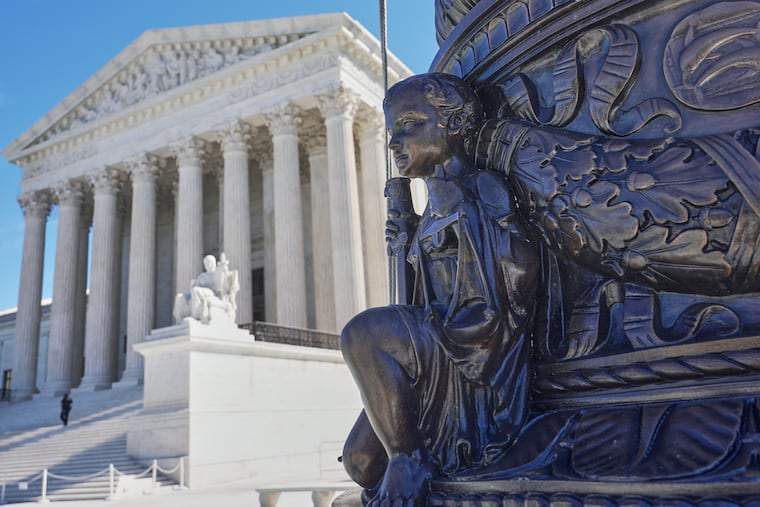
The Pennsylvania Supreme Court ruled June 15 that tens of thousands of the so-called skill games in bars and convenience stores are in fact slot machines — and illegal unless licensed, regulated, and taxed like casino-based slots.
“By dedicating a portion of skill game revenue to transportation, we can protect and strengthen transit services without placing additional burdens on taxpayers, while ensuring our transit agencies have the resources they need,” Republican State Sen. Frank Farry of Bucks County said Friday in a statement.
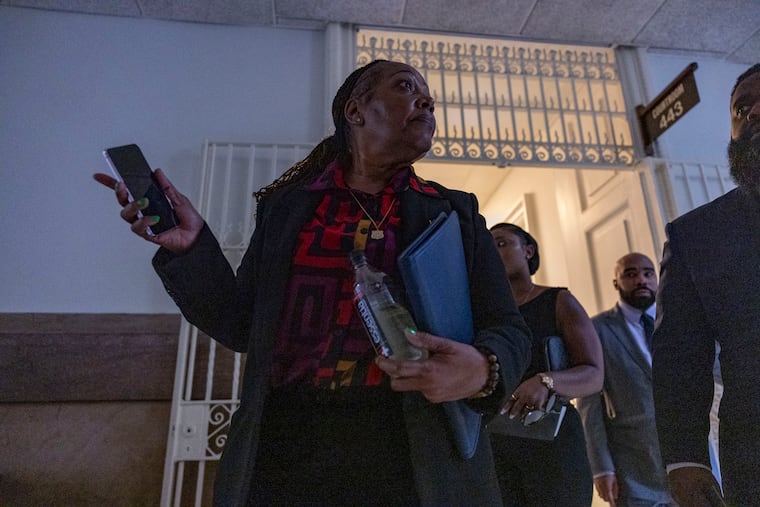
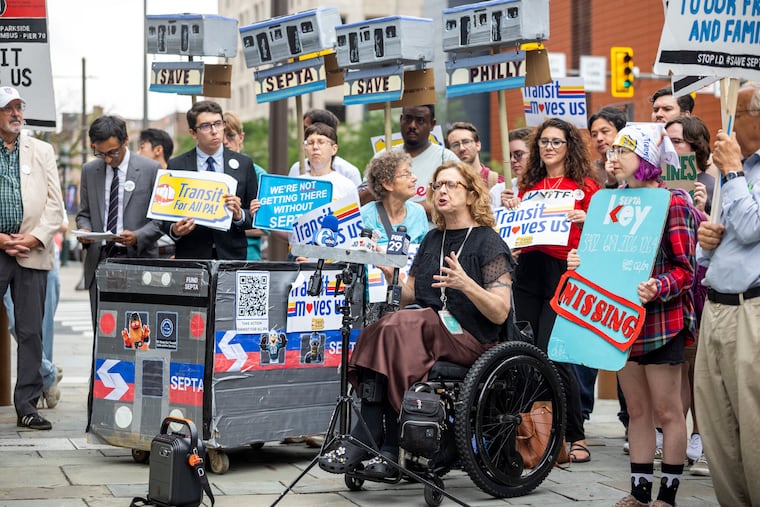
Transit advocates renewed what has become an annual public push for more money for SEPTA and fellow transit agencies at a news conference in front of the Fifth Street/Independence Hall Station — prompted in part by the court decision.
Farry issued the statement in support of that effort.
“I have the freedom to be able to come here, thanks to this elevator behind us, which was recently renovated,“ said Julie Rea, an organizing fellow for Transit Forward Philadelphia who uses a wheelchair and depends on the Market-Frankford El (now called the L).
“Without the long-term funding that SEPTA really needs, we’re not going to be able to keep the system accessible for all,” she said.
Last year, lawmakers and Gov. Josh Shapiro failed for a third time to reach agreement on his proposal to dedicate an increased portion of general sales tax revenue to consistently fund transit agency operations for five years.
Republicans, who control the Senate, did not want to take more sales tax revenue for transit, and the Democrats in charge of the House did not want to take up the GOP leadership’s counterproposal to use state money for infrastructure projects for operations instead.
Farry offered legislation in 2024 to regulate and tax skill games and dedicate 50% of the revenue to create a stable source of funding for public transit. The most optimistic assessments are that taxes on the games at or near the rate casinos must pay for their slots could generate up to $1 billion a year.
Taxing skill games has been discussed in budget deliberations for several years, though it never came together, in part because of differences of opinion in the GOP Senate caucus.
“Maybe the court decision will spur people to get their act together,” Farry, who is up for reelection in the fall, said in an interview. “We have a pathway.”
Shapiro has proposed taxing skill games at 52%, the same rate casinos pay for slot machine proceeds. Last year, the Senate GOP proposed a tax rate of 35% on the machines.
When a transit funding deal failed to come together in 2025, SEPTA raised fares and slashed service, eliminating 32 bus routes outright, until a Philadelphia court ordered it to restore cuts in service.
Shapiro then allowed SEPTA to use $394 million of reserved capital money in a state trust fund to pay to operate the transit system for two years; ironically, that was the same maneuver behind the GOP’s proposal.
Meanwhile, this year, paratransit and shared-ride services are in trouble throughout the state and transit systems in Lancaster, Westmoreland County, and the Lehigh Valley are considering service cuts.
“We know that the rural-urban divide is manufactured, and that a public good, like transit, touches us all,” said Connor Descheemaker, statewide campaign manager for Transit for All PA.