Widener’s Delaware Law School will move to a vacant corporate HQ space in Wilmington
The move is planned for 2027 and brings the school closer to corporate law firms and branch offices.
The principal law school in Delaware, “America’s Corporate Capital,” is leaving its suburban campus and moving to the former MBNA Corp. headquarters in Wilmington’s central business district, Todd Clark, the school’s dean, said Tuesday.
Widener University Delaware Law School, which has more than 700 students, will move to 1020 French St., a 240,000-square-foot building. The new law school will be across from the former MBNA America Bank on the eastern tip of the city’s Rodney Square, which is being turned into apartments and offices in a separate redevelopment. The law school move is planned for fall 2027.
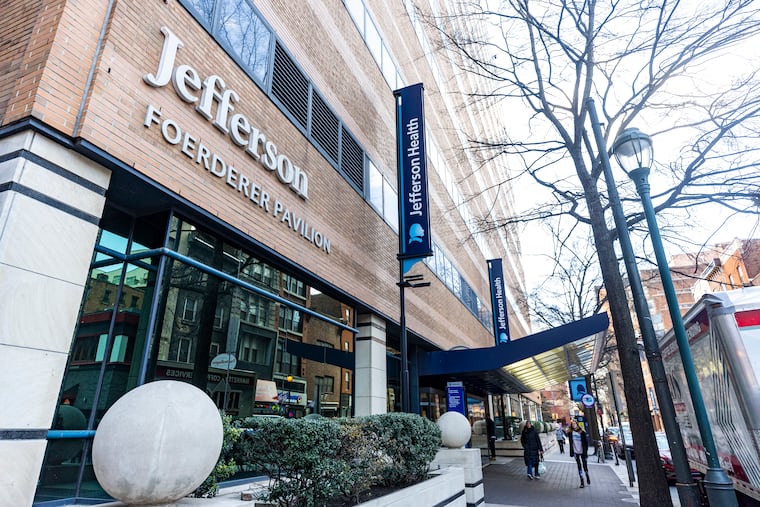
The school, with its dozens of full-time faculty plus support staff and adjuncts, has been based on a 31-acre campus on Concord Pike (U.S. 202) near the Pennsylvania state line since soon after its founding in 1971. That campus was put up for sale last winter. The law school has been part of Widener since 1975.
The new campus will be about a mile from Wilmington’s Amtrak and SEPTA train station and bus stops.
Widener said in a statement that the new location is convenient to the “lawyers’ row” of locally based corporate law firms and branch offices of New York, Philadelphia, and Washington firms that chose to be close to the state’s business-friendly Court of Chancery and the federal and U.S. bankruptcy courts nearby.
The school’s free legal clinics also will be more convenient to city residents in the new location.
A long time coming
The move is part of a more than 10-year campaign, funded by state and city taxpayers and by the Pierre S. du Pont family’s $1 billion-asset Longwood Foundation, to concentrate higher education and charter school programs in Wilmington. The central business district was left partly vacant after the departure of the DuPont Co. and other corporate moves over the past 20 years.
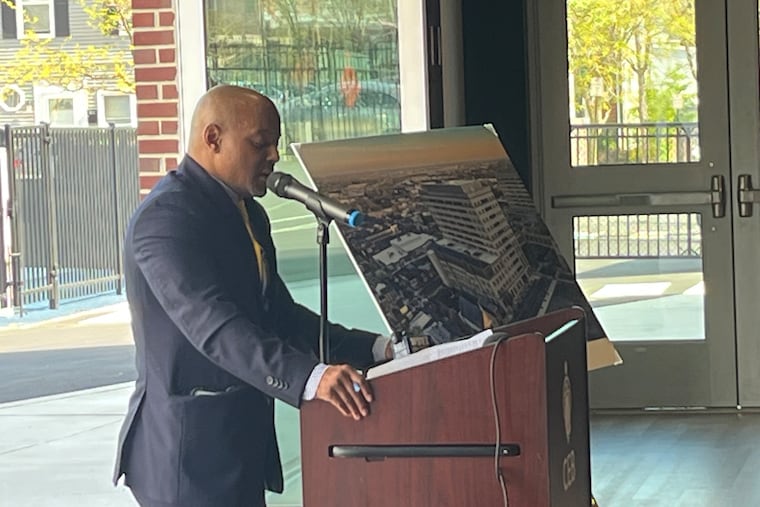
“In the long arc of a city, its buildings get repurposed many times,” Thère du Pont, Longwood Foundation’s president, said in remarks to state and university officials who gathered for the announcement. Once Wilmington was a “tannery town” and later a thriving professional center, he said. The city slowed when corporate and bank jobs moved elsewhere and demand for central offices fell.
Du Pont credited Bank of America leaders with making the buildings available, and Delaware State University president Tony Allen and other college and political leaders for lobbying for redevelopment funds.
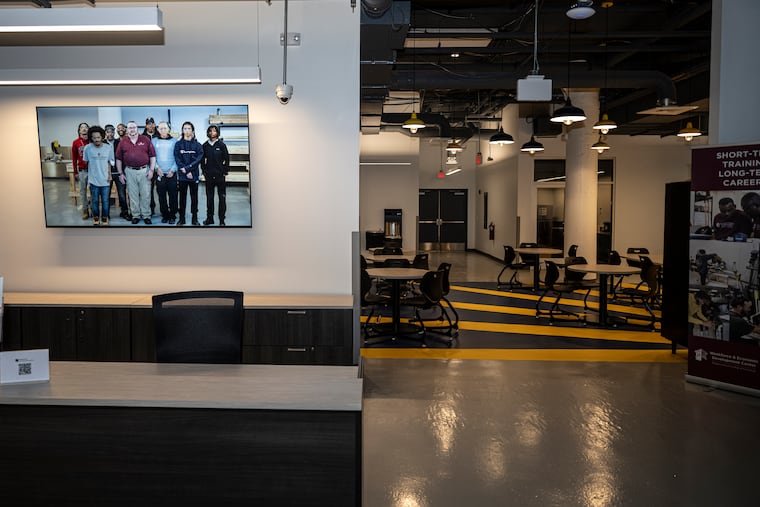
The law school will complement another former MBNA building, at 1200 N. French St. on the other side of the bank headquarters, which is home to the Community Education Building. The 300,000-square-foot building houses three charter schools covering all grades, a YMCA preschool, nonprofits, and classrooms for Dover-based Delaware State University and the Newark, Del.-based University of Delaware.
Together the two business-to-school conversions, dubbed “the Bridge Project,” have raised $10 million from the city, around $28 million from state bonds and federal funds, and $33 million from Longwood Foundation and other donors to renew the buildings for academic use, according to Longwood.
City leaders had been trying to lure the law school downtown since at least 2017, noted Clark, the Widener Delaware dean, in remarks before Delaware Gov. Matt Meyer, Wilmington Mayor John Carney, and university leaders.
Sealing the deal
What clinched the move for Clark, he said, was a 2022 visit with Widener president Stacey Robertson to the Community Education Building with its preschool, K-12, student assistance, and family-support programs.
Clark said the foundation and city and state leaders had put social services agencies in the building to help make it easier for students, many from low-income neighborhoods in Wilmington’s adjoining East Side, to succeed and move along to career education.
“I got back in my car and almost cried,” Clark said. “I grew up in a community very similar to the community that is served here. I’m all about how thoughtful education programs provide a transformative experience.”
He said the visit made him question whether his leadership of the law school was having the same impact.
“This move is not about a building,” Clark said. “It was about people and serving this community.”