Why does Philly’s City Council want to ban foie gras now?
The luxury meat has been embroiled in controversy for decades—but not much has changed.
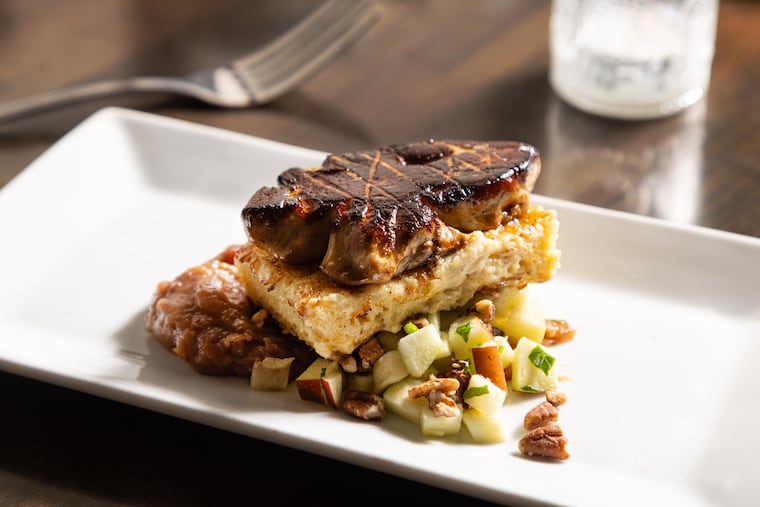
Foie gras is once again on the chopping block in Philly.
Council member Cindy Bass introduced a bill this month, reviving the debate on whether or not to serve and sell foie gras, the fattened liver of a duck or goose, achieved through force-feeding. The delicacy is only produced by two farms in the U.S, neither of which are in Pennsylvania. Foie has long stirred controversy due to the practice of gavage, where feed is piped directly down the throats of ducks and geese two to three times a day for two to three weeks to fatten their livers to around six times their normal size right before slaughter. (Defenders of foie maintain that gavage mimics the natural feeding practices of migratory birds, who do not share the same gag reflexes as other animals).
Pittsburgh had already banned the production and sale of force-fed foie gras in December 2023. (Wild foie gras – which occurs when ducks and geese naturally fatten their own livers – and foie produced without force-feeding also exists).
Why ban foie now? Few restaurants in the area use it, and those that do buy it in small quantities. Pennsylvania doesn’t even have a foie gras industry.
“The City Council – we, have taken a renewed interest in the care of animals, the way we do things here in the city and how we produce food products,” said Bass. (Councilmember Mark Squilla also introduced a bill last week that takes animal welfare into account. He proposed banning horse-drawn carriages, sleighs, and wagons, though the last horse-drawn carriage operator in Philly ceased operations in 2023).
When asked if Pennsylvania produces foie, Bass said, “To my knowledge, I don’t think we do.”
So why not ban other ingredients with more significant track records of animal cruelty, like shrimp farmed with slave labor or even scrapple produced with pork raised in cruel conditions? “We haven’t gone that far yet. Right now the main focus is on foie gras. The other items are trickier,” Bass said.
Simply put, foie is low-hanging fruit.
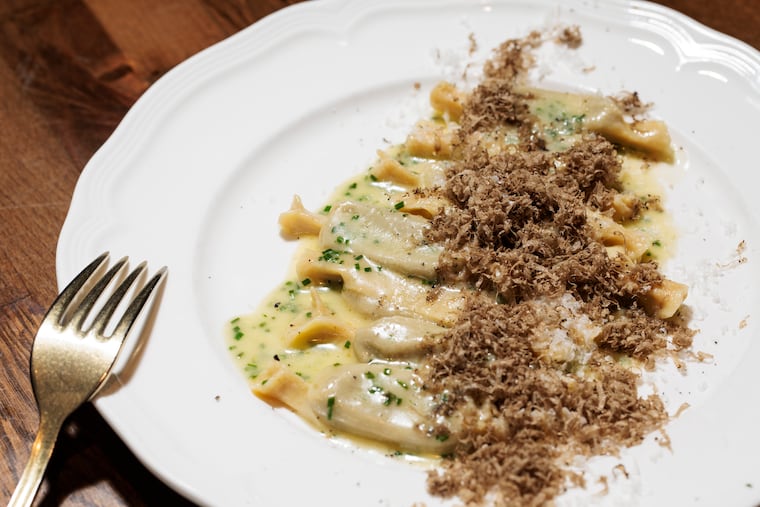
Foie isn’t particularly popular on Philly menus, even fine dining ones. Like white truffle oil, ubiquitous 10 years ago, it has largely been rejected by modern diners. It’s been replaced by the luxury item of the moment, caviar, which is found on so many menus in Philly restaurants that it has almost reached the point of saturation.
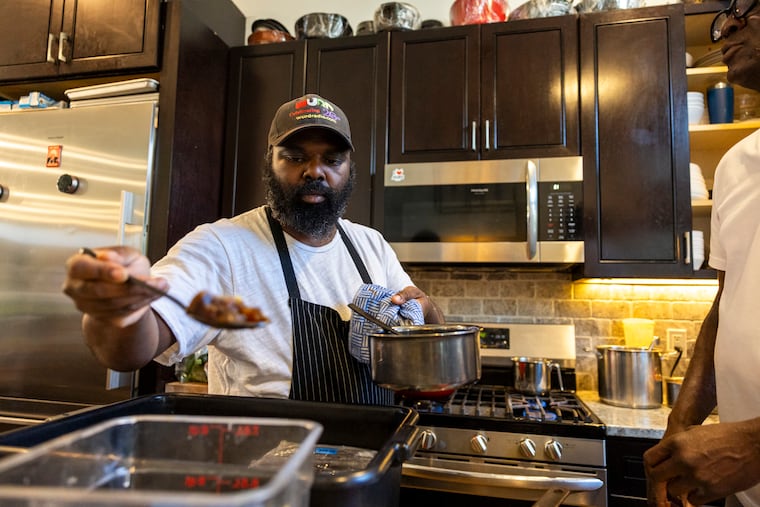
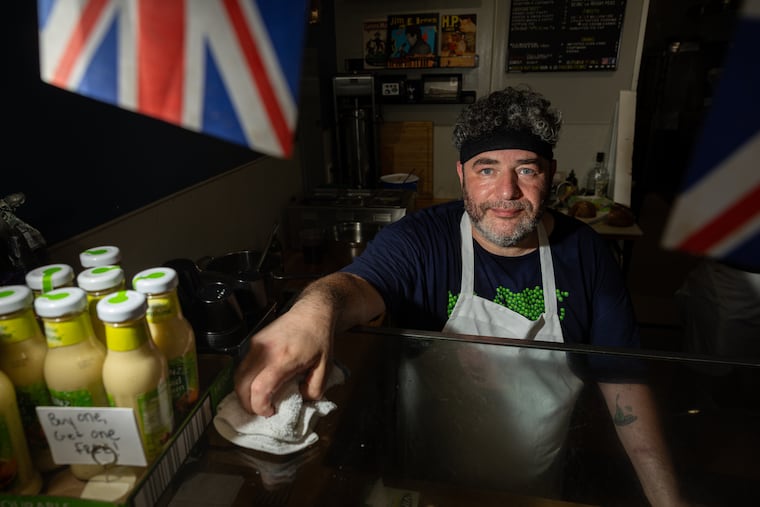
This is the third time in recent decades that the City Council has tried to pass the ban on foie gras, a delicacy with French origins that is now primarily sourced by Philadelphia restaurants from the Hudson Valley. Pat Alfiero’s Heavy Metal Sausage, a small butcher shop and restaurant in South Philly dedicated to local sourcing and featured on the 76, sources his foie from there.
Alfiero makes charcuterie, like pressed terrines, with foie gras cubes, the odd-shaped leftover cuts from foie gras lobes (the whole, enlarged livers). “It tastes like good, clean, rich fat,” he said. He seasons the foie gras with seasonal preserves like concord grape or strawberry and fennel, and sells the foie terrine by the slice.
At the announcement of the bill, Bass said, “Cruelty should not be part of commerce in Philadelphia.” But, on examination, the level of commerce generated by foie gras seems minuscule.
Alfiero charges $4.50 per ounce for his foie terrine, or about $70 per pound on a product whose raw materials cost him about $40 per pound. Alfiero only brings in about four to eight pounds of foie gras per month. Since he sells an average of six pounds of terrine per month, his gross profit on just that item is $180 per month.
The ban is unlikely to affect Alfiero much. “It would be a bummer not to have foie anymore. It’s a wonderful partially natural occurrence that we have figured out a way to manipulate. But I don’t think that foie is totally necessary. I don’t depend on it,” he said.
The focus on gavage has long been foie protesters’ central argument. However, migratory birds like wild ducks and geese gorge themselves instinctively, to store enough fuel in their bodies to travel long distances. “The number one rule of animal husbandry is creating low stress environments for your animals. If gavage was a high stress activity it wouldn’t have lasted very long. It wouldn’t have been worth the effort. The meat wouldn’t be good,” said Alfiero.
Richard Cusack, the chef and owner of June BYOB in Collingswood (which is not affected by the bill), where a seared foie gras appetizer costs $26 and about four lobes are sold per week (each lobe is about two and a half pounds), described well-treated ducks when he saw foie production. It’s in stark contrast to other farms he has regularly visited. “I don’t like killing anything. If I see an animal stressed out, the meat isn’t going to be good. I don’t care about the price,” said Cusack. But Cusack expects that if Philadelphia passes the bill, New Jersey would soon follow suit.
Factory farming is a much more significant problem in terms of animal cruelty. “In the American food system, millions of chickens are forcefully fed steroids to get as big as possible in as little time as possible so that people can have chicken wings. That’s a much bigger problem,” said Alfiero. “This constant attempt to ban foie gras is a way for advocacy groups to say they’re making a difference for animals without going after large corporations that they know they can’t touch.”
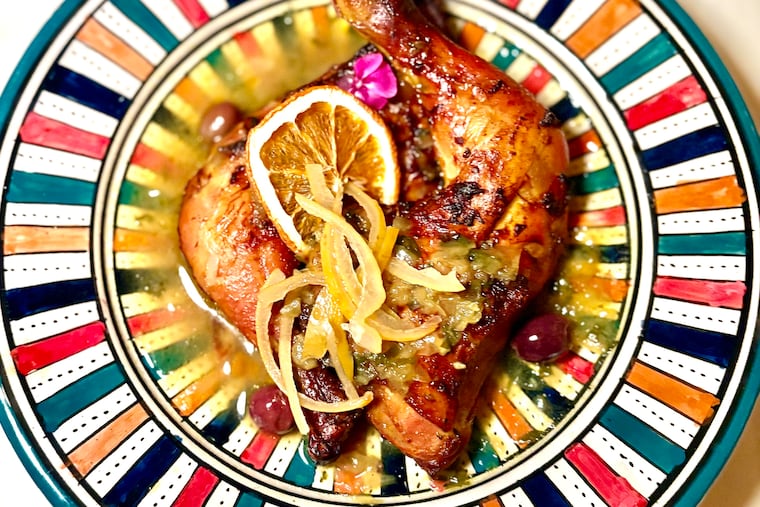
When contacted by The Inquirer, both Vetri Cucina (whose Lancaster chicken is adorned with foie gras) and Starr Restaurants (whose Barclay Prime cheesesteak is topped with it) declined to comment. Previous attention brought to restaurants serving foie gras also brought protesters to their doors, like those that have repeatedly gone to Lacroix at the Rittenhouse. (Lacroix also did not respond to a request for comment, though a perusal of their recent dinner menu shows no foie gras listed).
Portland, Ore., recently proposed an identical ban on foie gras to Bass’, which brought their city councilors criticism that time and resources were being wasted on an ingredient so infrequently used that a ban would have little to no bearing on the restaurant industry.
“As a restaurant owner, I understand that people have strong feelings about foie. I’m worried that the bill is very simple but also too broad. I am also more concerned about the City Council banning individual, legal ingredients from restaurant menus, and in doing so setting a precedent,” said Rebecca Foxman, the president of the PRLA’s Philadelphia chapter and the co-owner of Reading Terminal Market’s Fox & Son Fair Foods.
“This bill does not address or try to regulate farms or animal welfare production practices in Philadelphia. It regulates restaurants and stores,” Foxman said. “Operators are dealing with rising costs, staffing challenges, permitting, public safety, and preparing for a major tourism year, so I would rather see Council focused on policies that help restaurants do business in this city. I don’t see why we are legislating against the buying and selling choices of small businesses. Why not instead regulate practices that the bill describes (while it also is ignoring others) in American farming?”
Passing the bill will be a multiweek process, starting with a hearing that will likely be in the fall, then going to a committee and legislative session.
“We’ve already heard from some of the food and restaurants associations with some concerns about the bill. So I am open to visiting a site or facility to check it out. I’ll make it happen, if not in the spring, then over the summer,” said Bass.
Bass, who said she loves eating out “everywhere,” named “Capital Grille, the Ritz-Carlton [Aqimero], and the Loch Bar,” as some of her favorites. None list foie gras on their menu.
When asked how she envisioned the ban would be enforced, Bass said, “We would be talking to restaurateurs, primarily those that currently have it on the menu, and ask that they remove it from the menu. And there would be significant penalties if it is not removed.”
If the bill passes, it would be an easy win for the City Council. They would only have to go to a handful of Philly restaurants to enforce the ban.