Why stomach pain, ‘scromiting,’ and compulsive hot showering are sending cannabis users to Philly-area ERs
Marijuana legalization and more potent THC products could be to blame for the rise in cannabinoid hyperemesis syndrome, doctors say.

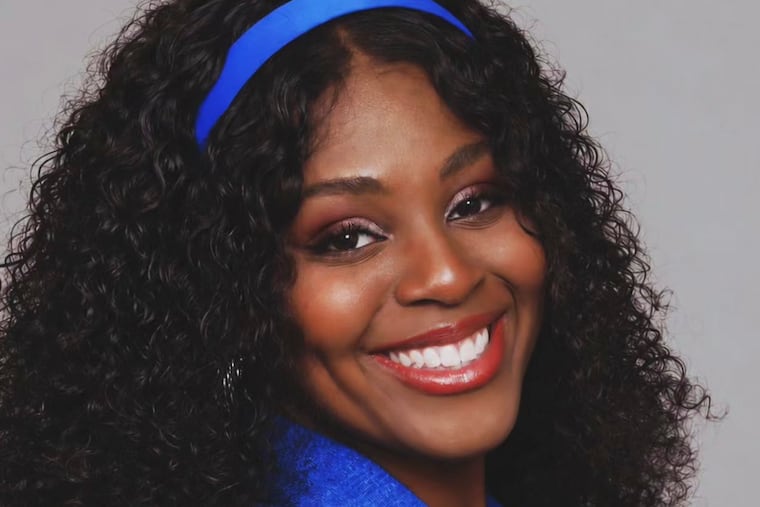
The morning after Christmas, 37-year-old Taylor Armendariz awoke in her South Jersey apartment with stomach pain and nausea like nothing she had ever experienced.
A self-described “avid” cannabis user, she had smoked before her holiday meal of beef Wellington, mashed potatoes, and ice cream-topped apple pie. “In the stoner state of mind, I was like, ‘Let’s go outside and smoke before we do this so we can really do this,’” she said. “I was ready for this killer meal, and I thought I overdid it.”
Even after vomiting until her stomach was empty, she still felt so nauseous that she wanted to make herself throw up more.
Her boyfriend took her to an urgent care clinic. The doctor there referred her to the hospital for possible appendicitis. At Virtua Voorhees Hospital’s emergency department, she underwent an EKG, a CT scan, and blood work. All negative.
Once home, she continued to retch. She decided to shower before returning to the hospital. As soon as the hot water hit her, the nausea and pain eased, only to return as soon as she dried off.
On her return ER visit, she told the doctor the shower helped. The doctor immediately suspected her illness was tied to a syndrome that can unexpectedly emerge in longtime marijuana users: cannabinoid hyperemesis syndrome, or CHS.
Feeling better in a hot bath or shower is a telltale sign. Another clue is what doctors call “scromiting,” or screaming while vomiting.
Emergency medicine doctors across the Philadelphia region say they are grappling with a surge in cases at a time when changing state laws have created unprecedented access to legal and potent marijuana.
Two Jefferson Health hospitals — Thomas Jefferson University Hospital in Center City and Jefferson Methodist Hospital in South Philadelphia — documented at least 300 cases in patients largely from their late teens to 40s in the fiscal year ending July 2025, a threefold increase from two years prior.
At North Philadelphia’s Temple University Hospital, staff can often diagnose it from the signature vomiting sound patients make.
St. Christopher’s Hospital for Children is seeing three cases a week in patients ages 16 to 22. “Up to a few years ago, we saw no cases,” said Richard Hamilton, chief of emergency medicine at the North Philadelphia hospital.
Hamilton, who is also a toxicologist, was pleased last fall when federal health regulators recognized CHS as a medical condition, giving it a diagnosis code, known as an ICD-10 code, to help track cases.
But many patients have trouble accepting the diagnosis.
“Patients will say, ‘It can’t be that because I’ve been smoking for years,’” Hamilton said. Some will argue that cannabis is known to alleviate nausea and vomiting, particularly for cancer patients undergoing chemo.
“That might be true for low-level cannabis use, but not if you’re sitting on your porch smoking for five hours at a time in a cannabis fog,” Hamilton said.
What’s driving the uptick?
The syndrome is now so prevalent that many local ER doctors have started asking patients who come in vomiting whether they use cannabis, how much and for how long, and whether hot showers help.
Sometimes, how they smell is a giveaway.
“They come in smelling like skunk,” said R. Alan Shubert, lead doctor at Virtua Mount Holly Hospital’s emergency department, adding that he would still rather deal with health issues from legal and regulated cannabis than black market drugs.
Higher levels of THC, the psychoactive compound in cannabis, are a big part of what is driving the uptick in cases of CHS, said Kory London, codirector of Jefferson Addiction Multidisciplinary Service and an emergency medicine doctor.
“This is not the ’70s, where you’re getting 2 or 3% cannabis off of a tree that you are then smoking,” London said. “Now there are these horrifying, almost methamphetamine-like distillates and crystal forms of cannabis that are 100% cannabinoids.”
Lauren Murphy, an emergency medicine doctor at Temple, likened today’s potent, agriculturally engineered cannabis to the cautionary tale in the movie Jurassic Park.
“We never asked if we should. We only asked if we could,” Murphy said. “We never knew there would be problems once it became more concentrated.”
Unprecedented accessibility to marijuana is also a driving factor. So far, 24 states, including New Jersey and Delaware, have legalized recreational marijuana for adults. (In Pennsylvania, medical marijuana patients can legally buy it from state-approved dispensaries.)
After New Jersey legalized recreational use in 2022, highways became dotted with dispensaries. A single-serving edible, such as a gummy, is legally capped at 10 milligrams of THC, but licensed dispensaries can sell 100-milligram packages with 10 gummies. Customers are allowed to purchase up to 10 packages, totaling 1,000 milligrams, per visit.
“You no longer have to go to your brother’s friend’s brother or whoever your dealer was — you just go to a dispensary,” said Rachel Haroz, a toxicologist, addiction specialist, and emergency medicine doctor at Cooper University Hospital in Camden. “We’ve never had this vast high exposure.”
Studies show that emergency departments have seen CHS cases double in states where cannabis was legalized, both medically and recreationally, according to an article published last year in the medical journal Cureus.
The article also highlighted research showing that about 30% of chronic cannabis users develop the syndrome. “It’s not rare in that population,” Haroz said.
Some patients return to the ER multiple times. Doctors at Nemours Children’s Hospital in Delaware saw the same patient six times between Jan. 1 and mid-April, according to emergency medicine doctor Katie Giordano.
Giordano said patients can suffer dehydration, electrolyte abnormalities, and malnutrition. In severe cases, it can be life-threatening.
Shubert said several of the patients he sees at Virtua had been previously diagnosed with CHS and are “caught in another cycle of it.”
Increasingly, patients are using Google or ChatGPT to diagnose themselves, doctors say.
There are at least two Facebook support groups for CHS with a total of 40,000 members from all over the world.
‘It felt animalistic’
Armendariz described her marijuana use as “morning, noon, and night with snacks in the middle” for more than 15 years.
She started smoking cannabis with friends and also coworkers after Applebee’s shifts. Then she used it to soften the edges of any negative emotion — sadness, anxiety, frustration, anger. She and her boyfriend worked together at dispensaries in California before they moved to Blackwood in Camden County.
The nausea came on without warning around 4 a.m. on Dec. 26 and continued even after her stomach was totally empty. The sensation was so extreme that she jammed her toothbrush handle down her throat, thinking that forcing herself to puke would make her feel better. “It felt animalistic,” she said.
“The pain was out of control,” Armendariz said. “I’m not an ER girl. I will stick it out. I will take it, but this was like, ‘Something is definitely wrong.’”
At the ER, she begged the doctor to give her anything to help.
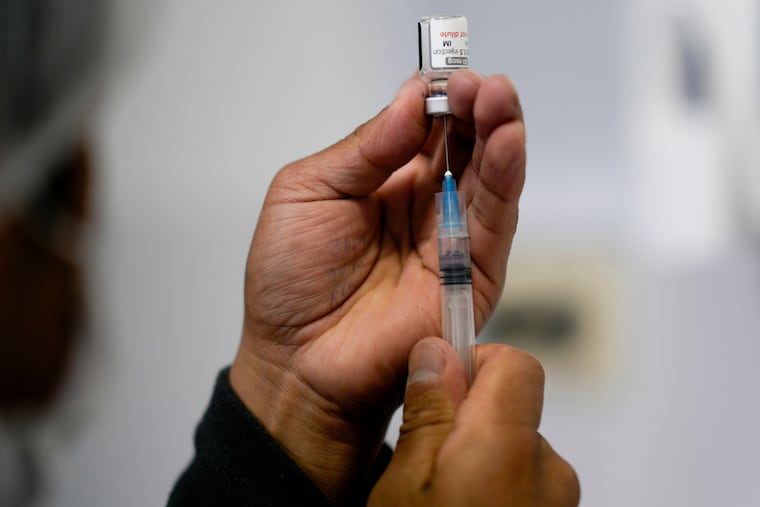
Anti-nausea medications, like dimenhydrinate, the active ingredient in Dramamine, typically do not work on CHS patients. So doctors treat the symptoms with an injection of an antipsychotic medication, such as haloperidol, and IV fluids to replace electrolytes and prevent dehydration. That worked for Armendariz.
Doctors also give patients capsaicin cream, a topical analgesic derived from chili peppers. It activates heat nerves and mimics the sensation of a hot shower or bath.
Heat works because it distracts the brain’s pain signal, a phenomenon doctors call “gating.”
“So let’s say you have back pain and you put a heating pad on. What did the heating pad change about your back? Nothing,” explained Hamilton, of St. Christopher’s. “What the heating pad did was trigger a different receptor. Your brain can only take one signal at a time. So the heat overcomes the pain signal.”
Researchers have documented cases of CHS patients going to the ER only after running out of hot water.
In the days after her diagnosis, Armendariz found relief for her symptoms by getting in the bath, soaking in hot water for up to two hours at a time. She sipped chicken broth and read a novel for her book club in the tub.
The only cure for CHS is abstinence, but Armendariz worried she would not be able to quit. She remembered thinking, “Can I do this? Is this even possible?”
Today’s higher THC levels can cause intense symptoms that feel like withdrawal after quitting.
“It’s a different product these days,” said Lynda Bascelli, an addiction medicine doctor with Virtua Health. “It’s old lore that cannabis is fine, not addictive.”
Many people will experience anxiety, insomnia, mood swings, appetite loss, and strong cannabis cravings — alongside CHS symptoms that can take months to resolve. Doctors say THC gets stored in fat cells, so it takes time for the body to purge it. And prolonged cannabis use can deregulate nerves and receptors in the stomach and gastrointestinal tract.
“Nerves and receptors don’t change overnight,” said London, of Jefferson Health. “When individuals say it takes months for their symptoms to get better, I 100% believe them.”
Doctors do not know the exact cause of CHS, though they believe it is tied to a neurotransmitter called anandamide and chronic overstimulation of endocannabinoid receptors in the brain and gut.
Researchers are studying why it strikes some chronic users and not others. They want to know if there is a genetic predisposition; if it is tied to smoking vs. edibles, or to a specific cannabis strain, such as sativa vs. indica; and how duration of use plays into it.
Ultimately, Armendariz said, she knew quitting was the only way to avoid another ER visit.
“I was like, ‘Well, if I stop smoking, I feel like I’m gonna die, but if I keep smoking, I feel like I’m dying,’” she said.