Five measles cases in Lancaster County are Pa.’s first outbreak of 2026
Montgomery County health officials also warned of potential measles exposure, after a case was confirmed at a Collegeville clinic.
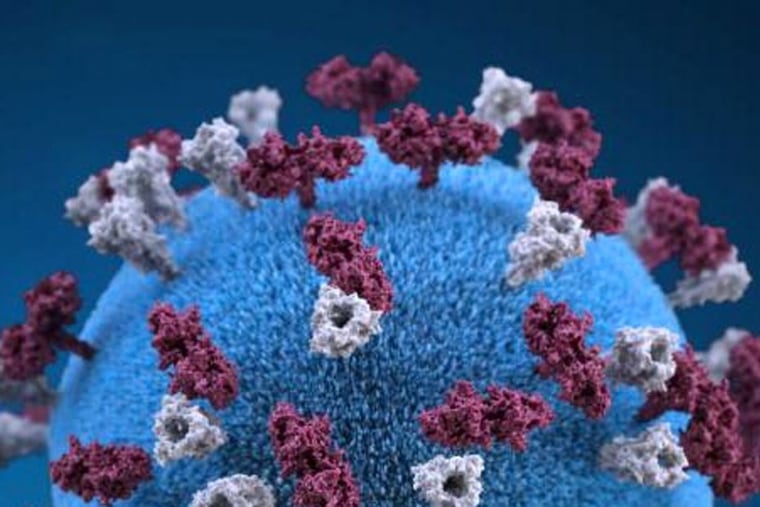
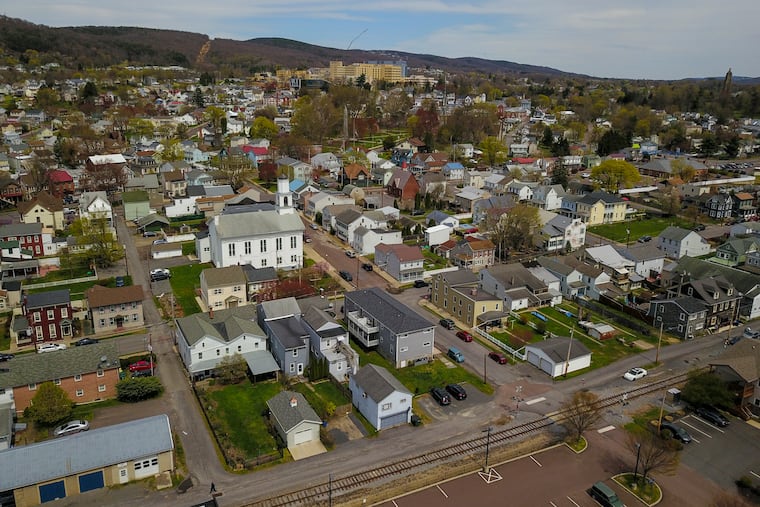
Five cases of measles have been confirmed in Lancaster County, the Pennsylvania Department of Health said this week.
The cases, all among school-age children and young adults, are the first of 2026 in Pennsylvania. Four of the cases are related, making this the state’s first measles outbreak of the year.
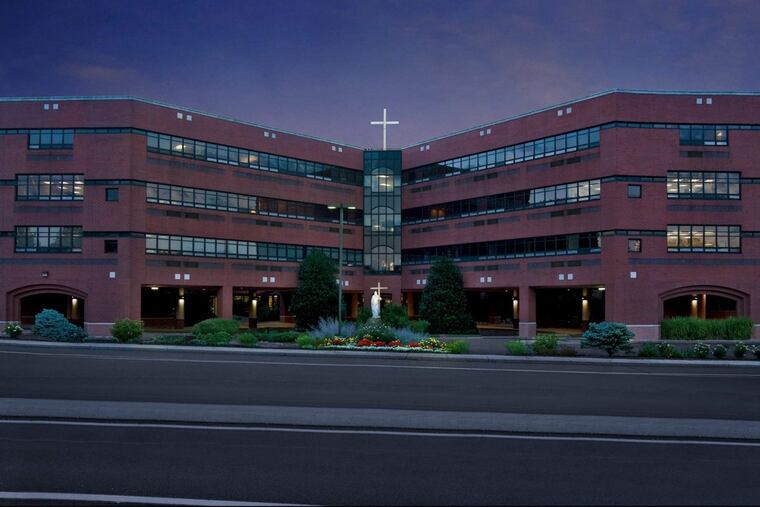
Separately, the Montgomery County Department of Health and Human Services on Tuesday confirmed a case of measles in Collegeville involving a person traveling through the county who sought care at Patient First Primary & Urgent Care-Collegeville.
Health officials urged anyone who was at the clinic between 1:15 and 4:15 p.m. on Jan. 29 to monitor for symptoms, which include a high fever, cough, runny nose, and a red rash.
Measles has been spreading in the United States over the last year, including isolated cases among travelers and increasingly larger outbreaks. The CDC reported 49 outbreaks in 2025, up from 16 in 2024.
An outbreak is when three or more cases are related, and is a sign that the community lacks sufficient immunity to keep the disease from spreading. Experts generally consider a community to have so-called herd immunity if at least 94% to 95% of people are vaccinated.
In Lancaster County, 89% of kindergarten students and 95% of high school seniors had received two doses of the measles, mumps, and rubella (MMR) vaccine in 2025, according to Pennsylvania Department of Health data.
Last month, Philadelphia officials warned of a potential measles exposure for people who had passed through several transit hubs, including Philadelphia International Airport and 30th Street Station, after a traveler was confirmed to have measles.
Measles is highly contagious, and people who are not vaccinated have a 90% chance of becoming ill if they come into contact with someone who has it. The virus spreads through the air when infected people cough, sneeze, or talk, and can linger in the air for up to two hours after an infected person leaves an area.
People are considered immune to measles if they were born before 1957, have already had measles, or received two doses of the measles, mumps, and rubella vaccine.
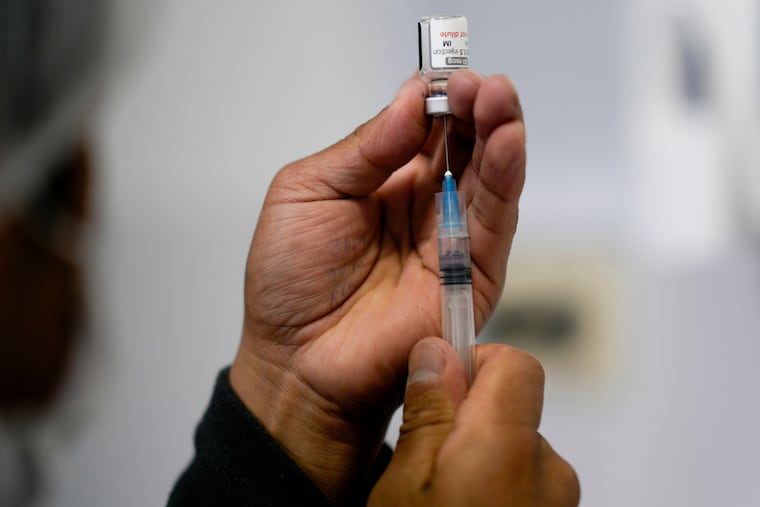
The U.S. Centers for Disease Control and Prevention recommends children receive two doses of the measles, mumps, and rubella (MMR) vaccine when they turn a year old and before entering kindergarten.
Health and Human Services Secretary Robert F. Kennedy Jr. has recently overseen an overhaul of the CDC’s childhood vaccine schedule, with new recommendations for when vaccines should be given and who should receive them. But the measles vaccine remains among those recommended for all children.
Staff writer Aubrey Whelan contributed to this article.