As measles rises, Pa. parents should be able to see school-level vaccine data, some lawmakers say
The comments come in the wake of investigations by both The Inquirer and the Pittsburgh Post-Gazette that drew attention to how vulnerable children now are to measles.
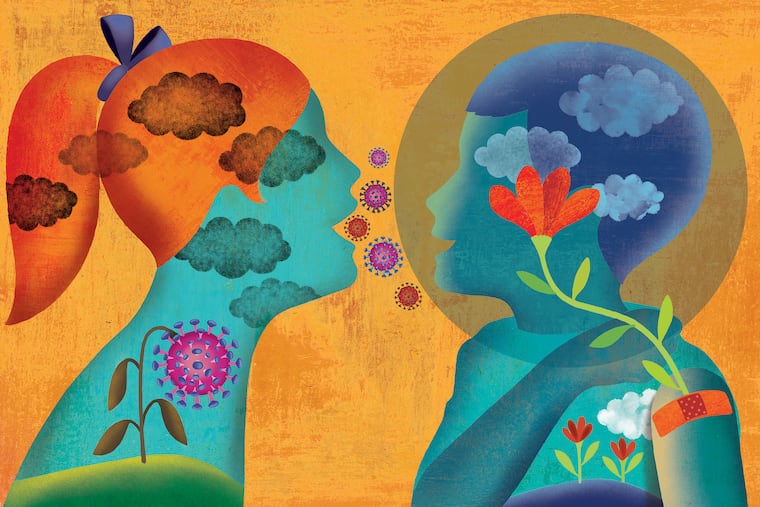
Pennsylvania lawmakers say the state needs to increase transparency around school vaccination data — including making it easier for parents to look up vaccination rates in their children’s schools.
The comments come in the wake of investigations by both The Inquirer and the Pittsburgh Post-Gazette that drew attention to how vulnerable children now are to measles, a disease once considered nearly vanquished by decades of vaccination.
The state health department regularly publishes data on its website detailing how many schoolchildren are immunized against serious diseases like measles in each county. But it does not publish school-level data on vaccinations, potentially obscuring communities that are at higher risk for an outbreak because of their low vaccination rates.
Recently published reporting in The Inquirer and the Pittsburgh Post-Gazette looked at school-level vaccination data around Pennsylvania and found hundreds of schools where less than 95% of kindergarteners were vaccinated against measles. That’s the rate at which a community must be immunized in order to prevent the highly contagious disease from spreading.
For example, even in Montgomery County, where about 95.7% of kindergarteners are vaccinated against measles, some schools reported levels well below herd immunity, including one school where less than half of kindergarteners had been immunized against measles.
Through The Inquirer’s interactive database, people can look up vaccination rates for individual schools, giving parents much wider access to an important health resource.
» READ MORE: What are the measles vaccination rates in your district? See how your school compares.
Now, some state Democrats say they’re willing to push the health department to make that data more readily available to the public. But they expressed little appetite for more aggressive changes, such as tightening Pennsylvania’s exemption rules, among the most permissive in the country.
The Inquirer’s investigation found that a sharp rise in philosophical and religious exemptions are largely driving the state’s declining vaccination rates. Philosophical exemptions rose 49% between 2019 and 2024, and religious exemptions shot up 76%. In most cases, parents can opt out of recommended vaccines for these reasons by simply signing a form.
Meanwhile, medical exemptions — which require a doctor’s signature — have declined.
And both The Inquirer and the Post-Gazette found that hundreds of unvaccinated children with no exemption at all are still permitted to attend school.
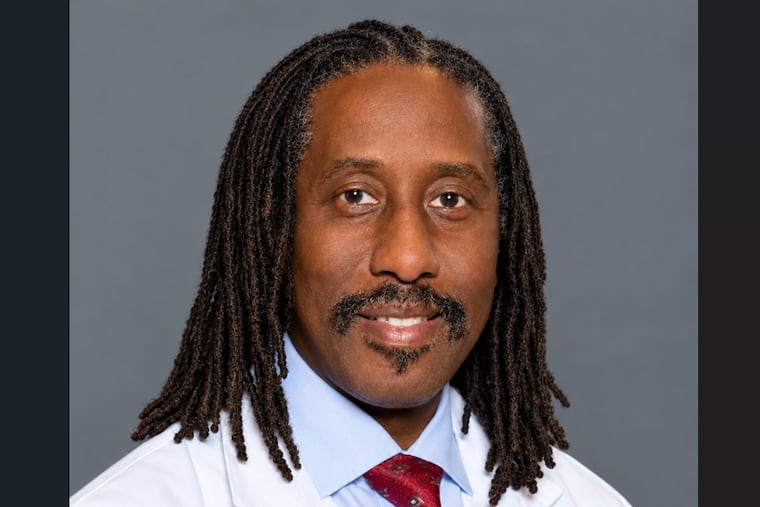
“I think there is work that needs to be done to have better communication with the public about the importance of vaccines,” said Rep. Arvind Venkat (D., Allegheny), the only physician among the state’s lawmakers. “When there are outbreaks, it becomes crystal clear to the public that vaccines are important.”
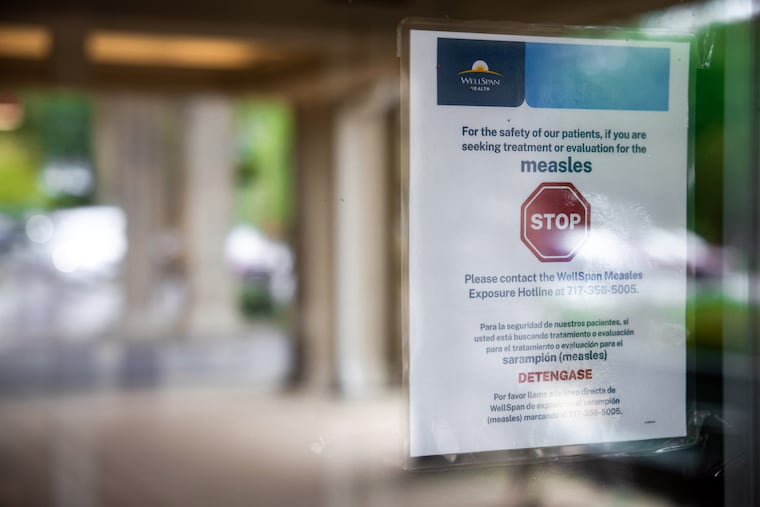
Pennsylvania has reported 38 measles cases so far this year — more than double the total for 2025. The latest outbreak has sickened 26 people, including 14 in Lebanon County, 10 in Lancaster County, and one each in Berks and Dauphin Counties.
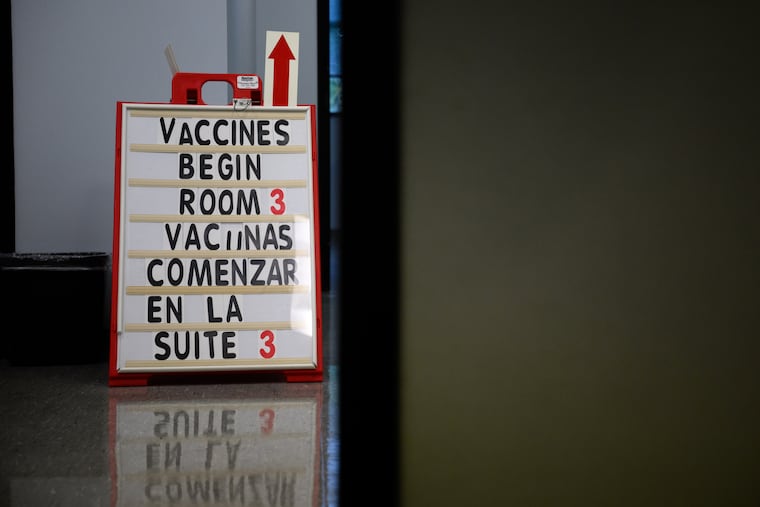
These small outbreaks have drawn dozens to vaccine clinics within those communities. But both lawmakers and public health experts have cautioned that a larger outbreak may be the only way to convince more people to vaccinate under current guidelines.
“People need to feel the pain before they can support the progress,” said state Rep. Michael Schlossberg (D., Lehigh), who serves as the majority whip.
Any future legislation would likely meet resistance in Pennsylvania’s split legislature, where Democrats narrowly control the House and Republicans control the Senate. Many GOP members broadly believe that parents are best equipped to make decisions for their children and should be free to do so, including whether they are vaccinated.
“Parents know what’s best for their kids,” said Rep. Robert Leadbeter (R., Columbia), who serves as chair of the House Freedom Caucus, which includes the most conservative members of the state House.
Making vaccine data publicly available
Venkat, who serves on the House Health Committee, said he and a few other colleagues are exploring options for legislation that would make district-level vaccine data publicly available. Such data could give parents a better idea of local vaccination rates — and allow them to advocate for local officials to do more to improve them, he said.
“I’m not aware of any reason why it should be withheld,” Venkat said.
» READ MORE: More than 200 Philly-area schools vulnerable to measles outbreak
It could also help parents understand risks for immunocompromised children, who are at a higher risk for severe complications from diseases like measles, said Schlossberg. These children often are not medically able to get vaccinated, meaning they rely entirely on herd immunity for protection.
In Philadelphia, where about one in three schools reported kindergarten vaccine rates below herd immunity, Councilmember Nina Ahmad is “reviewing options” for legislation that would allow the public to access more information about school vaccination rates, she said.
The Inquirer’s analysis was based on kindergarten vaccine data from 1,800 schools across the state, as reported to the Pennsylvania Department of Health. The department withheld data from schools with fewer than 20 kindergarteners, and data from schools that failed to make the mandatory reports is also not included.
The city’s overall kindergarten vaccination rate of around 94% is “not good enough,” Ahmad said.
“We need to have a safer margin, and that’s an average. There are schools that are well below the average,” she said. Better access to school-level data can help health officials and legislators target resources to under-vaccinated schools, she added.
Rep. David Zimmerman, (R., Berks and Lancaster) said he supports making school-level vaccine data more accessible as a way to help families decide whether to vaccinate.
“You get groups and social media gone for or against — it can be a runaway train,” said Zimmerman, who serves on the House Health Committee.
Leadbeter said he supports increased transparency, but stopped short of voicing support for making school-level vaccine data publicly available. He does not serve on the Health or Education committees where such legislation would originate, and said lawmakers would need to ensure increasing transparency didn’t compromise privacy.
Lawmakers should focus on improving access to healthcare resources, especially in rural areas with few providers, to help families make informed decisions, he said.
“We don’t need to mark parents in a binary category where one is good and one is bad, but try to understand why these decisions are being made,” he said.
Changing exemption rules is ‘politically risky’
Other states, such as New York and California, have tightened vaccine exemption rules in recent years, making it so parents can only opt out if their children are medically unable to get vaccinated.
But in Pennsylvania, even legislators who expressed concern about vaccination rates say it’s politically risky to tighten the state’s lax vaccination exemption rules. Pennsylvania allows parents to opt out of required school vaccinations for religious or philosophical reasons in addition to providing exemptions for children with medical conditions that make vaccination risky.
It is one of just 15 states that allows both religious and philosophical exemptions, making it an outlier in the Northeast, where several states allow only medical exemptions.
In the wake of a major measles outbreak in California that spread to six other states in 2014 and 2015, Schlossberg introduced legislation to tighten Pennsylvania’s vaccination policies.
“We had one of the worst kindergarten vaccination rates in the country,” he said. What’s more, parents could wait up to eight months into the school year to get their children up-to-date on required vaccinations, leaving classrooms vulnerable to outbreaks just when infections are at their peak.
Schlossberg’s proposal to remove the state’s philosophical exemption was met with intense backlash from Republicans in the state legislature — and many constituents.
Legislators did agree to shorten the eight-month grace period to five days. But removing the philosophical exemption was out of the question.
“Pennsylvania has a politically conservative atmosphere — any policy movement is small and incremental. We are not a state that jumps ahead of the curve,” Schlossberg said. “It was too much of a push for my Republican colleagues, and I suspect it will remain too much of a push.”
Targeting vaccination exemptions is an increasingly hard sell as U.S. Health and Human Services Secretary Robert F. Kennedy, a longtime anti-vaccine activist, has attempted to reduce the number of recommended childhood vaccinations and fired federal vaccine policy advisers.
“I never want to discount parents making decisions for their kids,” said State Rep. Lisa Borowski (D., Delaware). She is concerned that the federal administration is constantly delivering mixed messages and “being guided by anecdotal information instead of science.”
It’s crucial for state legislators and health officials to promote vaccination as coverage rates drop in Pennsylvania, she and other lawmakers said.
“All of our actions matter to each other. We have a debt to each other. We have to make decisions that care for each other at large, and that absolutely applies to vaccinations,” Schlossberg said.
Inquirer staff writer Gillian McGoldrick contributed to this article.