Editorial: No small alarms
The operators of Three Mile Island should have notified the public sooner about a relatively minor radiation leak that nevertheless raises troubling concerns.
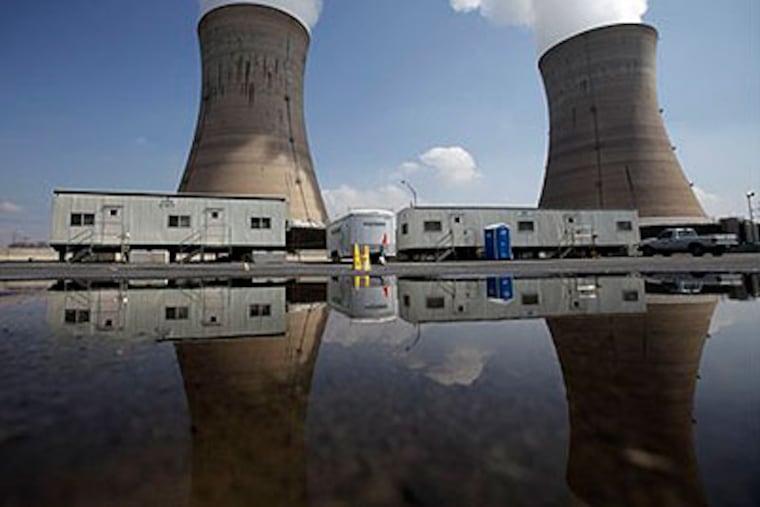
The operators of Three Mile Island should have notified the public sooner about a relatively minor radiation leak that nevertheless raises troubling concerns.
Gov. Rendell had every reason to blast the Exelon Corp. for a five-hour delay in informing state emergency officials about the incident Saturday.
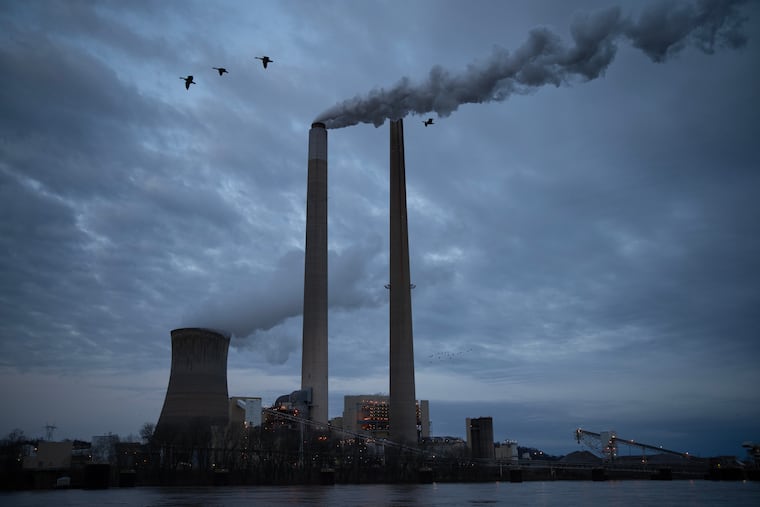
The biggest reason: Three Mile Island is forever linked to a near disaster - the 1979 partial meltdown that occurred at the plant's sister reactor, Unit 2, which remains shut down.
That makes it perfectly understandable if the governor and residents who live near the site, located on the Susquehanna River south of Harrisburg, get a little jumpy when an incident occurs at the plants.
The leak didn't fall within the 15-minute notice to state officials required by the federal government for more serious incidents.
But given the history, Chicago-based Exelon could have quickly allayed any concerns with a full and timely disclosure to reassure the public that the incident was under control.
Obviously, there is a need to avoid creating undue public panic. Prompt and forthright communication is the best way to instill public confidence.
By comparison, the delay undermines public trust in nuclear power at a time when the industry is making a major push as a viable alternative to foreign oil.
Exelon officials say ventilation fans probably caused the radiation release inside the containment building of Unit 1. The reactor was shut down last month for refueling and to replace two massive steam generators.
They stressed that no contamination was found outside the building and that there was no threat to the public. About 150 workers were inside.
Federal inspectors agree with that assessment. The U.S. Nuclear Regulatory Commission is investigating.
Exelon officials insist that they are "committed to continuing to work with federal, state, and local officials to ensure that we have open lines of communication."
Yet days after the radiation leak and declaring "things are back to normal," the company again failed to immediately notify state officials when radiation monitors sounded at the Unit 1 containment building.
Fortunately, it was a false alarm, and there were no abnormal radiation levels detected. A good thing, since the state wasn't informed about the alarms until nearly 13 hours later.
So much for the improved communication, although Exelon said it would review the lessons learned from both incidents.
Nuclear energy provides the country with a dependable and affordable source for its increasing electricity demands.
But there must be better accountability, and that comes with keeping the public informed at all levels.