Along Mississippi's coast, a chance to reinvent cities
PASS CHRISTIAN, Miss. - Hurricane Katrina erased much of the Mississippi Gulf Coast's past, but the deadly storm also created a blank canvas and a historic opportunity for reinventing cities like this once-quaint beach community.
PASS CHRISTIAN, Miss. - Hurricane Katrina erased much of the Mississippi Gulf Coast's past, but the deadly storm also created a blank canvas and a historic opportunity for reinventing cities like this once-quaint beach community.
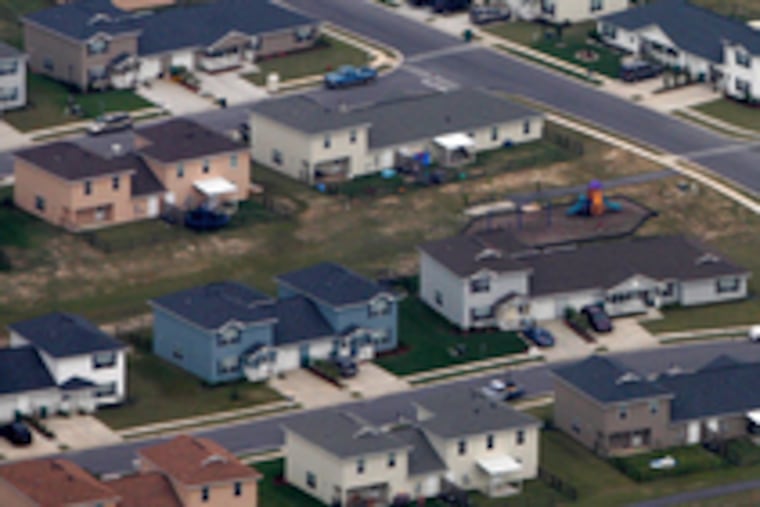
Two years after Katrina claimed more than 200 lives in Mississippi and left behind billions of dollars in damage, teams of visionary urban planners are embedded in Pass Christian and other coastal cities, helping them draft ambitious blueprints for rebuilding the "New Urbanism" way.
New Urbanism, an architectural movement to transform sprawling city blocks into compact, walkable neighborhoods with old-fashioned features, is only one of the dynamics that could define Mississippi's coastline.
Traditionalists are pursuing a competing vision: Rebuilding the coast largely the way it was before the Aug. 29, 2005, hurricane. Part of what has been called the Redneck Riviera, it was an eclectic assembly of glitzy casino barges, brightly painted beach shops, and aging motels occasionally broken by stretches of stately old homes with oak shaded lawns overlooking the sandy, man-made beach.
Which vision will win out over the next several years?
That question loomed over a recent planning workshop in Pass Christian. Dozens of merchants and homeowners gathered to hear city planner Jeff Bounds illustrate his vision for rebuilding Pass Christian's devastated downtown.
Smaller city blocks with narrower, pedestrian-friendly streets. Buildings that yield better views of the harbor. "Pocket parks" for more green space. Those were some of his ideas for turning the crippled city center into a thriving commercial district.
"You may not agree with us . . . and that's fine," Bounds said. "We're basically here to point out from a planning perspective what we see as the shortcomings, things that can be improved." Bounds ended his presentation with a caveat: "Obviously, money is not growing on trees."
"Amen!" a voice from the back of the room shouted. It was the mayor, Leo "Chipper" McDermott.
Many cities along Mississippi's 70-mile coastline are grappling with the same dilemma as Pass Christian. Harsh economic realities are tempering the pace of rebuilding. Many projects are hamstrung by the soaring costs of construction and insurance, while federal funding has been slow to flow.
Some other economic indicators are down: Population and employment in the region are both still below pre-Katrina levels, and a housing shortage is stunting recovery.
Economics aren't the only concern. Some local officials are reluctant to experiment with new zoning and planning codes, and that's exactly what New Urbanism's adherents are asking cities like Pass Christian to do. And some people, like planning commission member Walter Ketchings, are losing patience with the workshops. "We need to stop talking and start hammering," he said.
In Gulfport, a proposal to build a 17-lot subdivision of bungalow cottages is on hold while the city irons out its "SmartCode" zoning plans, which govern development under New Urbanism goals. After Katrina, the project's developers tinkered with the design, shrinking yards and moving homes closer to the street to encourage more interaction among neighbors.
"The financing is there," said real estate agent Melissa Warren. "We're just waiting for a set of rules to be adopted that we know we can go by."
Some cities have set limits on the height of construction projects so the coastline isn't crowded by high-rise condos. At the same time, the state is clearly banking on casino resorts to fuel the region's economic recovery.
After Katrina, Mississippi enacted a law allowing floating casinos to move ashore. Today, 11 casinos are open on the Coast and are raking in more revenue than the 12 that operated before the storm.
Eight of those casinos are in Biloxi - the same number operating in the city before Katrina - and more are on the way. Not surprisingly, New Urbanism has gained less traction in Biloxi than in neighboring cities.
A lack of affordable insurance is widely seen as the biggest obstacle to private investment on the coast now and in the coming years. A recent study by the Rand Corp. think tank found that the soaring cost of wind coverage has nixed or delayed some commercial projects.