March election is next step in Bhutan's transformation
GAUHATI, India - Bhutan will hold its first democratic elections in March, the latest step in the transformation of the Himalayan nation where Buddhist kings reigned supreme.
GAUHATI, India - Bhutan will hold its first democratic elections in March, the latest step in the transformation of the Himalayan nation where Buddhist kings reigned supreme.
The secluded and mountainous country - sandwiched between India and China - has long been known as a quirky holdout from modernity, letting in few visitors and banning television and smoking.
But much has changed in recent years - television, for example, was introduced in 1999 - and the election announced yesterday is the latest step.
For the average Bhutanese, many of whom view the monarchy and its attachment to tradition with affection, the vote has been greeted with a mix of enthusiasm and foreboding.
With the election looming, voters' concerns reflect their largely rural lives.
Tandi Dorji of the People's Democratic Party, one of two parties vying for a majority in the election, listed wild boars as the primary problem facing his constituency. He added that a labor shortage and lack of economic opportunities also had to be addressed.
The election is scheduled for March 24 and the country's first elected prime minister should take office a day later. Under a draft constitution, the 27-year-old king will become head of state.
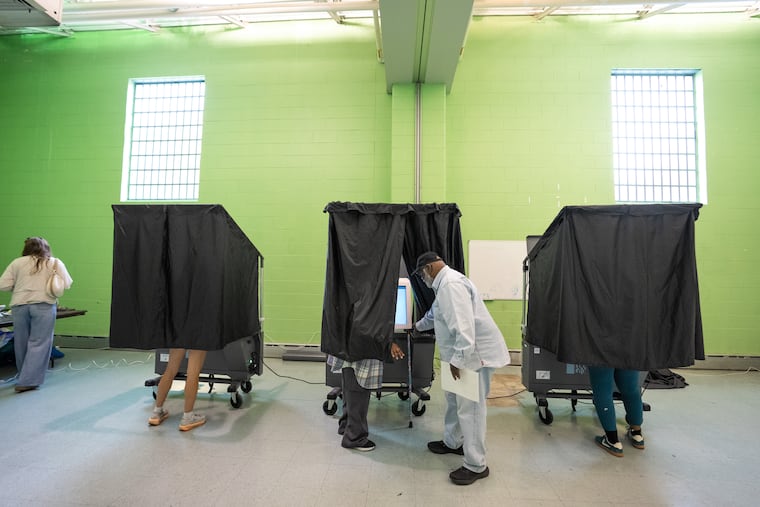
Bhutan took its first steps toward democracy in late December when thousands turned out to elect 15 out of 20 members of the National Council.
For nearly a century, kings have sought to shield the country from the outside world.
Until just a few decades ago Bhutan was a medieval agrarian society, with no paved roads, no electricity, no hospitals and no telephones. Goods were bartered rather than bought. Only in 1961 was a slow process of modernization begun, and it wasn't until 13 years later that foreign journalists and tourists were allowed to visit.
Nowadays, the country has a cash economy and several thousand tourists are welcomed every year, albeit on heavily supervised and expensive tours.
But its unique character remains. Mountain climbing is banned to preserve the pristine forests, and Bhutanese must go about in public in their national dress.
Even the size of the country's population is unknown - estimates put it anywhere between 700,000 and 2.2 million people. For the election, authorities say some 400,000 people are registered to vote.