Gunman in Mumbai rampage charged
Two Pakistani military officers are accused as well. The FBI may play a role in the probe.
NEW DELHI, India - The lone surviving gunman from November's terrorist attacks in Mumbai was charged yesterday with "waging war against India," along with murder and 12 other crimes - the first formal charges in the three-day rampage in the nation's financial capital.
Pakistani citizen Mohammed Ajmal Kasab, 21, has become the public face of the attacks, his grim stare caught on security cameras as he and a fellow assailant sprayed the crowded Chhatrapati Shivaji train station with bullets.
Kasab could face the death penalty if found guilty.
Two Pakistan army officials accused of training the gunmen were also among those charged, said Rakesh Maria, the chief Indian investigator.
Maria said the army officials would be investigated by the Pakistani government but did not give their names or ranks.
India linked Pakistani security agencies to the attacks, a charge Pakistan denied. The attack led to new tensions between the two nuclear-armed neighbors, which have fought three wars since 1947.
In their 60-hour siege of two popular hotels, a cafe, a Jewish center, and other sites, the attackers killed 164 people, including six Americans.
Waving the 11,280-page report, special public prosecutor Ujjwal Nikam told reporters that the charge sheet contains accounts of more than 2,000 witnesses. It names 37 others who allegedly helped plan and abet the attacks.
"The crime branch has done good work during the investigation," Nikam said. India has criticized Pakistan for hindering the probe. But Pakistan appears to have cooperated in recent weeks after stepped-up world pressure, diplomats in New Delhi said.
The charge sheet contains evidence provided by the FBI, which aided Indian police with the probe.
Analysts here said the FBI would be a likely go-between for India and Pakistan during the investigation, because the two countries' thorny relationship has become even more strained since the attacks, and experts said it is doubtful Pakistan would allow Indian detectives into the country.
The charge sheet includes transcripts of phone calls between the attackers and their handlers in Pakistan, as well as images from video footage of the attack sites. As an indication of how thorough the list of charges against Kasab is, he is cited for entering a train station without a ticket.
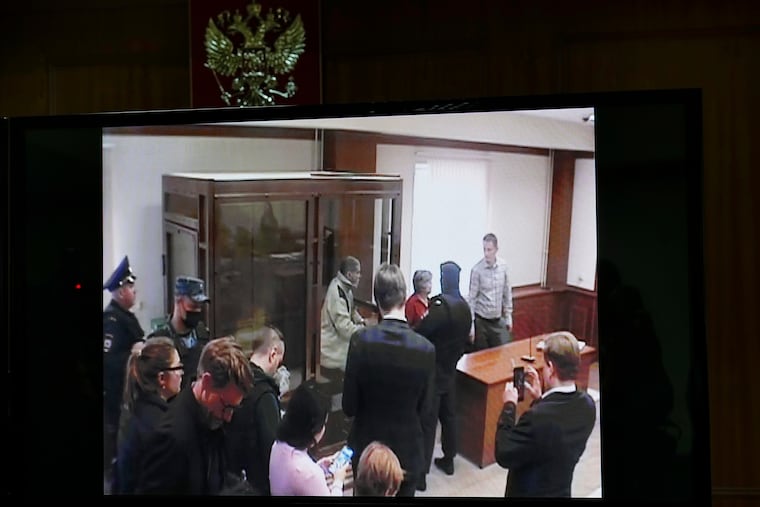
Two Indian nationals, Fahim Ansari and Sabauddin Ahmed, are accused of providing maps for the attacks. The two were escorted to the courtroom wearing black hoods as they passed through a scrum of reporters and video cameras.
Nine other attackers were killed during the attacks, which brought India's most populous city to a standstill and prompted prayer vigils from Israel to Virginia.
India has blamed the attack on Lashkar-e-Taiba, or Army of the Pure, an Islamist militant group widely believed to be a creation of Pakistani intelligence in the 1980s.
Pakistan put blame for the assault on "non-state actors," denying India's claim that officials in Pakistan's intelligence services were involved.
This month, Pakistani officials acknowledged for the first time that the Mumbai attacks were at least partially plotted on its soil and announced criminal proceedings against eight suspects, including one it described as the ringleader, Zaki-ur-Rehman Lakhvi, who was among those arrested in Pakistan.