So you want a forever home? Here’s what to keep in mind when you’re renovating
From sustainable materials to aging in place, experts and homeowners share how they keep long-term usability in mind while building or renovating a home.
Beth and David Mark have lived in their Narberth home for 37 years. They love the house and neighborhood and would like to stay there as long as possible.
But when Mark got into a cycling accident that left him with several broken bones in 2016, they realized that as they age, navigating the stairs to their second-floor bedroom could become challenging. So last year, they built a first-floor addition that included a primary bedroom suite.
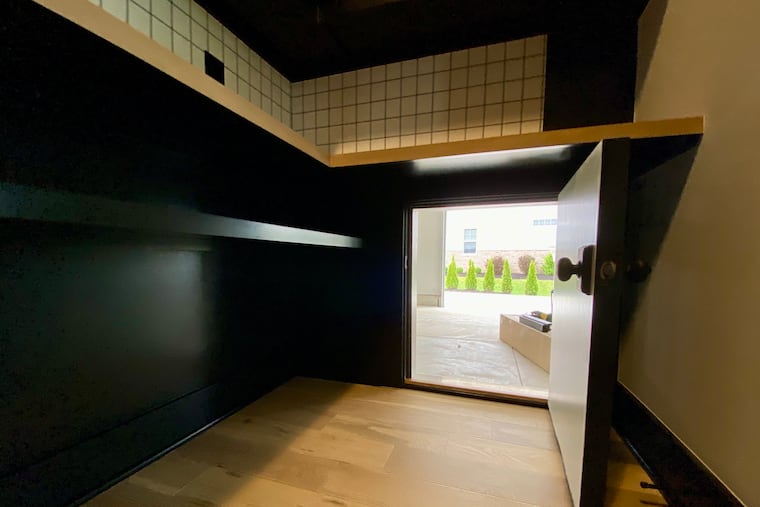
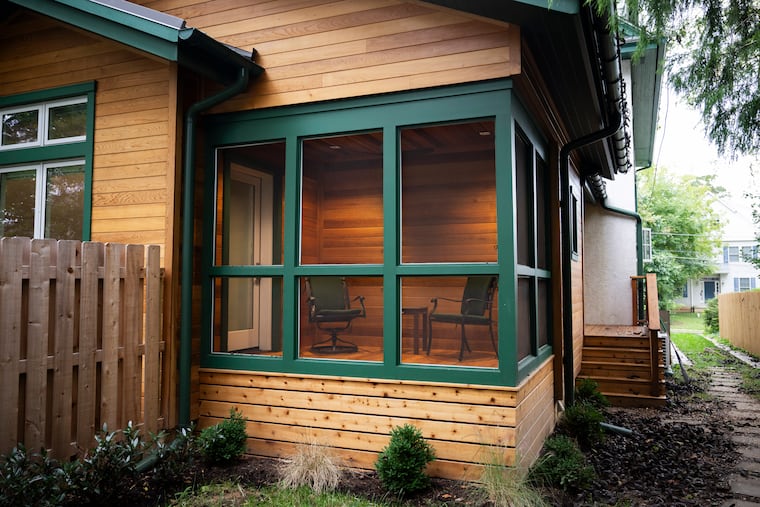
They prioritized building with solid materials and systems that would be long-lasting, low-maintenance, and environmentally friendly. Re:Vision, a sustainable architecture firm based in Manayunk, designed the addition, which also included a laundry room, closet, mudroom with an additional entrance, and screened-in-porch.
The addition is clad in durable cedar, which is more rot- and insect-resistant than many other sidings. The screened-in porch also has cedar ceilings, floors, and walls. Above-code insulation provides longer-lasting thermal comfort and lower energy bills. A large window and skylight allow natural light to pour into the space.
House transformations are top of mind for many homeowners, with three in five saying they had undertaken a renovation project, according to the 2026 U.S. Houzz & Home Study. But these aren’t just room makeovers — plumbing, electrical upgrades, heating, automation, and cooling systems were some of the top areas survey respondents were looking to improve.
The end goal: creating a home they can stay in for life, that will be adaptable as its inhabitants age, and won’t need to be fixed all the time.
“The push for long-term livability reshapes how homeowners evaluate materials, maintenance, and overall build quality alongside their spatial layouts,” said Mitchell Parker, Houzz home design trends expert.
If you’re looking to do the same, here’s how to invest your home improvement budget.
Choose materials and layouts for the long-term
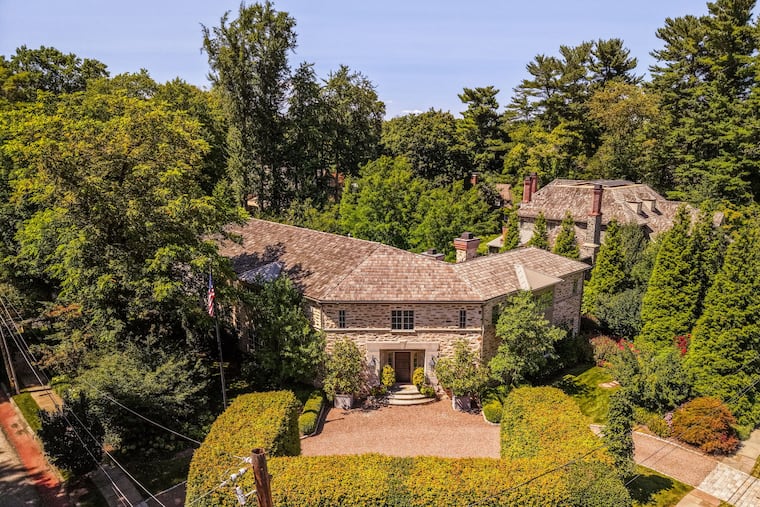
When Lee and Susan Zoeller built their house in Villanova in 2017, they turned to architects Archer & Buchanan. The plan included a first-floor primary bedroom suite and a separate apartment above the garage which could one day accommodate a caregiver.
Durable materials, including stone for the exterior and a slate roof instead of wood shingles, will last for many years. A shingle roof, for example, may last 20 or 25 years where one made of clay tiles or slate should last 50 to 100 years.
“Though the cost was more, the length of time the roof will last was double,” Lee said. “It seemed like a good investment for the long-term. The intention is that this house will remain in the Zoeller family for generations to come.”
They designed the home without a formal living room or dining room. A large great room that flows into the kitchen better reflects how they live and entertain.
Homeowners should prioritize quality and time over scale and grandeur, said Richard Buchanan, partner at West Chester-based Archer & Buchanan.
Think about how your needs today may change in the years ahead. If the kids will be off to college in five years, will the six-bedroom house with a rec room and music room eventually feel overwhelming?
Buchanan recommends including a bedroom suite on the first floor. If there comes a time that steps become difficult to manage, the first-floor bedroom can be converted into a primary suite. Until then, it could also serve as a guest room or office.
Keep good maintenance habits to avoid costly breakdowns
Zoeller is a stickler about maintaining his systems. That includes twice-a-year HVAC tune-ups, regular filter changes, kitchen appliance tune-ups, and fireplace cleanings.
“I don’t like to have things break down,” he said. “And in the long run it saves you money because your appliances and HVAC last longer when you maintain them well.”
More than 60% of homeowners said they had done maintenance in the previous month, according to Angi’s State of Home Spending Report. This habit “will save you from bigger problems down the road and dollars in your energy bills every month,” said Angie Hicks, co-founder of home services website Angi.
HVAC systems need a tune-up every six months and filter replacements according to the manufacturer’s instructions. Check weather stripping around doors and windows and be sure windows aren’t leaking air. Hicks suggests moving a lit candle along doors and windows. If it flickers, that means air is coming in.
A home energy audit will identify potential problems, such as poor insulation quality, air leaks, and drafts, and issues with your HVAC system. Check with your local energy supplier, as many provide the service free of charge.
Periodically look for plumbing leaks under sinks, and around toilets, showers, and the hot water heater.
“Water is your home’s worst enemy,” said Hicks. “A little bit of water can cause a lot of damage over time.”
Invest in sustainable design to save money later
Whether designing and building a new house or renovating an existing one, sustainability starts with optimizing the home’s square footage, said Drew Lavine, partner and director of design at Re:Vision.
An important question to ask is: “How can we utilize the same square foot in multiple ways?” Lavine noted. “Reducing the size of the home by just 10% will impact the financial and environmental bottom line. The greenest square foot is the one you don’t build.”
Take advantage of natural resources that exist on the property, such as deciduous trees. They shade the house during the summer to reduce the cooling demand, then, when the trees drop their leaves in the winter, the sunlight shining through provides heat.
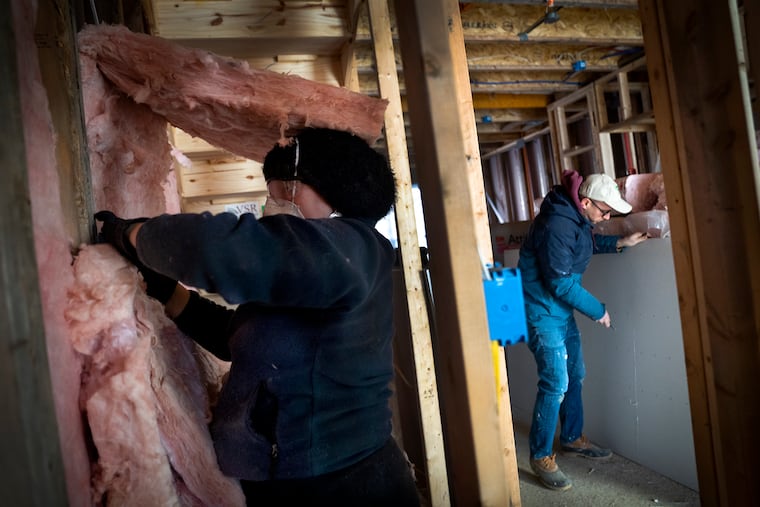
Building enclosures, including the walls, roof, and foundation, should be properly and optimally insulated. Install and seal windows and doors to prevent air leaks, and use quality HVAC systems combined with ventilation for better quality air.
“It’s an investment you make upfront that pays dividends over the very long term in both thermal comfort and energy costs,” said Lavine.
It’s difficult to predict exactly how much more homeowners spend on energy-efficient materials and systems — and how quickly those investments will pay off — because heating and cooling use varies widely from household to household.
“You might spend 10 to 15% more in construction costs, but you will see a 15% reduction in energy costs,” said Robyn Oliver, associate and senior architect at Re:Vision.
The Marks love their new addition and look forward to spending many more years there comfortably. The project won Lower Merion’s 2026 Green Design and Development Award.
“We’re honored to receive the award, but we’re even happier that it gave us a chance to share our project and hopefully inspire others to think about what’s possible with sustainable design.”