Clinton cites role of Iran diplomacy
WASHINGTON - By trying to talk Iran out of its nuclear program, the United States is in a better position to win tougher international sanctions in the event diplomacy fails, Secretary of State Hillary Rodham Clinton said yesterday.
WASHINGTON - By trying to talk Iran out of its nuclear program, the United States is in a better position to win tougher international sanctions in the event diplomacy fails, Secretary of State Hillary Rodham Clinton said yesterday.
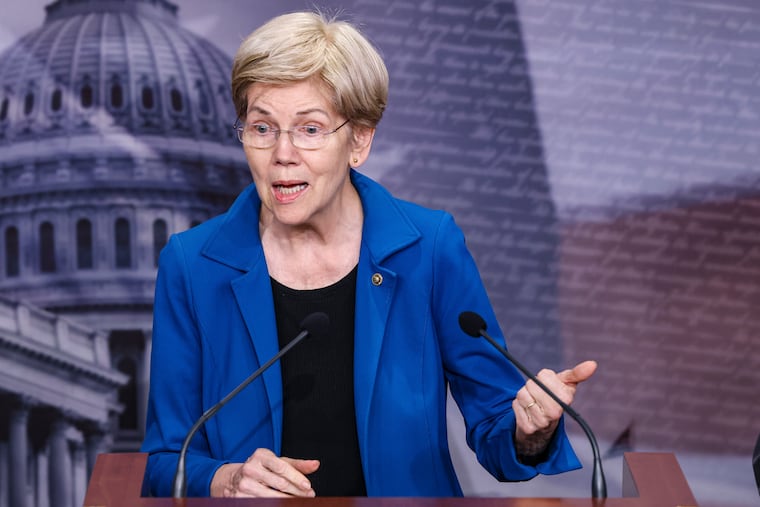
"We actually believe that by following the diplomatic path we are on, we gain credibility and influence with a number of nations who would have to participate in order to make the sanctions regime as tight and as crippling as we would want it to be," Clinton told the House Foreign Affairs Committee.
Iran denies that its nuclear program is intended to develop weapons.
The official Iranian news agency IRNA reported yesterday that Iran welcomes a "constructive" dialogue with world powers over its nuclear program, but insisted that it would not halt its uranium enrichment activities.
The Iranian report was in response to an invitation from the United States, Britain, China, France, Germany and Russia for a new round of nuclear talks. No date has been set.
Clinton said the administration is confident that with the help of international partners, it can put together a comprehensive sanctions regime against Iran, "should we need it." She said it would be needed "in the event we are unsuccessful or stonewalled in our other approach."
The House hearing was Clinton's first congressional testimony since her confirmation hearing in January, and the questions were mostly friendly. Panel members initially focused mainly on Iran, the Islamic extremist threat in Pakistan, and U.S. policy toward Cuba. Some Republicans pressed her on the administration's release of formerly classified documents on detainee interrogation methods used during the Bush administration, but she deflected those inquiries, saying it was not a matter for her to discuss publicly.
Asked about a peace deal reached last week that allows militants in Pakistan's northwest to impose Islamic law in exchange for a cease-fire with Taliban insurgents, Clinton strongly criticized Islamabad.
"I think the Pakistani government is basically abdicating to the Taliban and the extremists," she said. Later she said the administration believes the Pakistani government shares U.S. goals in defeating terrorism.
In a testy exchange, Rep. Dana Rohrabacher (R., Calif.) asked Clinton whether she supports former Vice President Dick Cheney's stated request that the CIA declassify interrogation memos that he said cast a more positive light on the methods used with detainees during the early years of the Bush administration.
"Well, it won't surprise you that I don't consider him a particularly reliable source of information," Clinton responded.
Iranian Confronts His Critics
Iranian President Mahmoud Ahmadinejad yesterday accused European diplomats and protesters who disrupted his recent attack on Israel at a U.N. conference of trying to muzzle anyone who says "a word against the racism of the Zionist regime."
He reiterated his criticism of Israel in his first comments on the incident at a racism conference in Geneva on Monday. Protesters in rainbow-colored wigs lobbed red clown noses at him and EU representatives walked out of the speech when he called Israel the "most cruel and repressive racist regime."
Ahmadinejad, who is running for another term in Iran's June 12 presidential election, is a deeply polarizing figure who has called for Israel to be wiped off the map, denied the Holocaust, and insisted Iran will never give up uranium enrichment.
A moderate conservative who led Iran's elite Revolutionary Guards said yesterday that he would become the latest election challenger to Ahmadinejad.
Mohsen Rezaei, 57, is not seen as a leading challenger, but reformists who see a strong opportunity to unseat Ahmadinejad hope Rezaei may be able to take votes away from the incumbent.
Rezaei has opposed Ahmadinejad's handling of the economy and his hard-line foreign policy.
Also yesterday, an Iranian filmmaker, who said he is engaged to the American journalist jailed in Iran for allegedly spying for the United States, defended his fiancee as innocent in an open letter and begged Iranian authorities to release her.
The letter by Bahman Ghobadi, circulated by an Iranian human-rights group, described Roxana Saberi as an intelligent, hardworking reporter who spent virtually all her time doing research. He also said she had long wanted to leave Iran, but stayed for him.
Saberi's father, who lives in Fargo, N.D., but is in Iran to seek her release, said he could not confirm that Ghobadi was her fiance.
- Associated PressEndText