More county and local governments are banning ICE from using their property. Philly could be next to act.
Across the country, many Democrat-led jurisdictions are pushing back against the ICE surge in enforcement
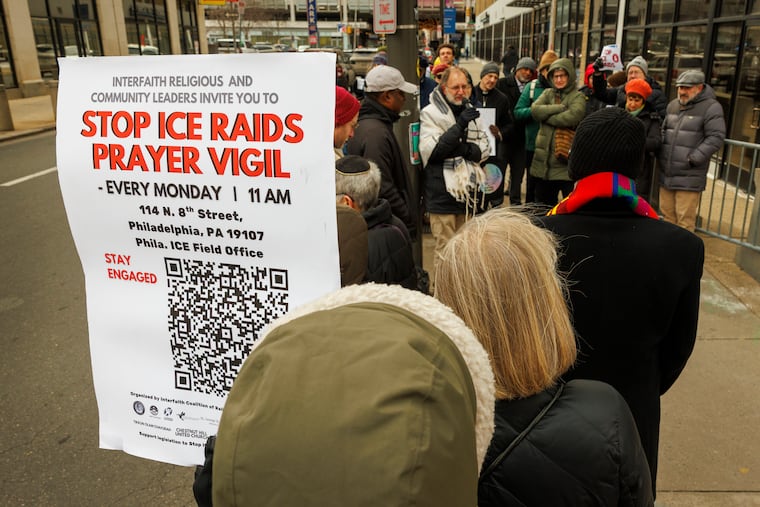
Local immigration advocates hailed a 2-1 vote in Montgomery County last week as a victory: The Board of Commissioners further limited county cooperation with ICE, passing a resolution that restricted the agency from using county property or resources for civil immigration investigations.
And Montgomery County isn’t the only place where that’s happening.
Across the country, more Democratic-led jurisdictions are pushing back against the ICE surge in enforcement, drawing lines not just on police assistance but also on the ways the agency can use local properties to support its mission. Here are some of the places where that is happening, and some of the reasons for it.
Why would a city or county deny ICE from having access to its property?
Two main reasons. For local governments, barring Immigration and Customs Enforcement is like hanging out a big “Not Welcome” sign. It allows a local board or council to publicly proclaim its opposition. Second, it can complicate the agency’s logistics, as ICE can need big open spaces like parking lots to set up officers, cars, and equipment for its operations.
Are places besides Montco doing the same?
Yes. Government leaders including those in Los Angeles, Oakland, Cincinnati, New York City, Seattle, San Jose, Calif., Providence, R.I., Denver, Asheville, N.C., and Worcester, Mass., have embraced similar measures. Officials in Chicago and Minneapolis even created free signs for private-property owners, so they could designate their land as off-limits for civil immigration enforcement.
All embraced land-use and administrative policies, as the Vera Institute of Justice pointed out in a new study, that limit federal use of local property as staging areas, operational bases, or processing sites for arrests.
“By doing so,” the institute said, “localities can disrupt the infrastructure for large-scale raids, reassert local control over public property, protect residents from enforcement activity, and reinforce trust between immigrant communities and local government.”
Crucially, the institute noted, these “ICE-free zones” make no attempt to bar the agency from doing its work. Instead, they clarify that federal authorities can conduct arrests on city and property ― when supported by a judicial warrant. Those are warrants that have been approved and signed by a judge, not the ICE-issued administrative warrants that the agency so often relies on.
That signals to courts that local governments are not trying to obstruct federal enforcement, and it reinforces lawful enforcement practices.
Will Philadelphia pass a similar measure?
We are about to find out. And, yes, there is momentum. City Council is poised to consider a package of “ICE Out” legislation that would bar the federal agency from staging or conducting enforcement on city-owned or -controlled property. That would include garages, parking lots, vacant land, buses, playgrounds, and schools.
In some places the city might even post signs saying: “This property is owned and controlled by the City of Philadelphia. It may not be used for immigration enforcement activities.”
The exceptions would be if ICE agents came carrying judicial warrants or were acting under superseding federal laws. Council has scheduled a full day of hearings on the legislation on April 6.
Why is this happening now?
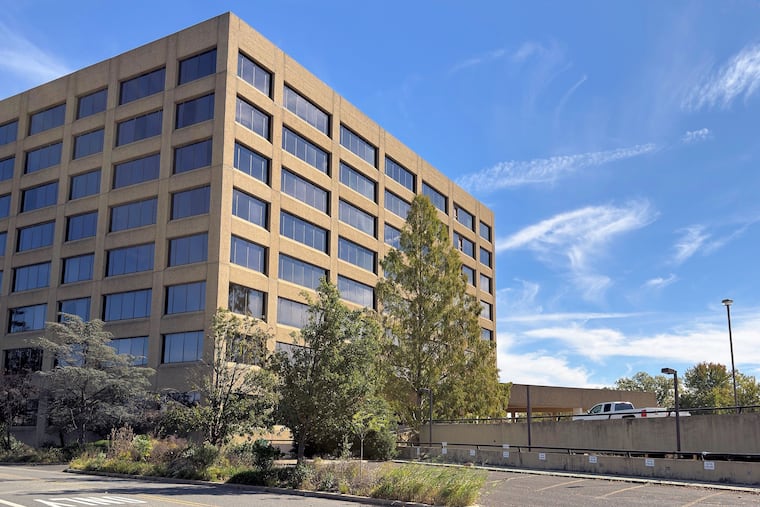
Here is the context: Both ICE enforcement and resistance to it have been ratcheting up for months. Arrests and detentions have surged under President Donald Trump, while protests against ICE have become regular. In Philadelphia at least two different groups hold weekly protests outside ICE headquarters.
Meanwhile, the federal government’s purchase of warehouses around the country, undertaken as part of a massive ICE expansion of detention capability, has opened a new and contentious front.
Gov. Josh Shapiro met with leaders in Berks and Schuylkill Counties last month as those communities face the planned conversion of two warehouses. The governor pledged to do everything he could to block the Trump administration’s plans in Pennsylvania, citing concerns over the impact on local economies, water resources, and residents’ quality of life.
Across the river, New Jersey faces similar challenges, as ICE eyes a warehouse in northern Roxbury Township to hold 1,500 detainees. The state’s two Democratic U.S. senators, Andy Kim and Cory Booker, have introduced the “End Warehouse Detention Act” to ban the federal government from using tax dollars to buy or convert warehouses for immigrant detention or processing.
Does this mean county and municipal governments have stopped working with ICE?
No. Far from it.
Almost every day, more police agencies sign formal cooperation agreements through a program called 287(g), named for a section of a 1996 immigration act.
At the start of Trump’s second term, about 133 state, county, and local police agencies had joined the program to help ICE enforce immigration laws. Today that number has soared to 1,511 memorandums of agreement in 39 states and two U.S. territories, according to ICE.
ICE says the program helps protect American communities, a force multiplier that adds strength to a workforce that numbered about 20,000 when Trump was elected. Opponents, however, insist that turning local police officers into immigration agents breaks community trust and puts municipal taxpayers at risk of paying big legal settlements.
The Philadelphia legislation would bar the city from entering into a 287(g) agreement. The Montgomery County resolution did the same.