Philly’s schools crisis isn’t about overspending. It’s about underspending.
Even with significantly increased state funding over the last two years, the district continues to wildly underspend by a billion dollars annually, according to state law.
The Philadelphia School District has a spending problem.
But that problem is not that it spends too much. Rather, it is that it spends far too little. In practice, this means the district invests far too little in hiring the teachers who will increase math and literacy scores, or in the building improvements that befit children’s dignity, safety, and potential.
This underspending is not just immoral or unwise. As the president judge of the Commonwealth Court found in 2023, this failure, caused by the Pennsylvania General Assembly, is also unconstitutional.
In recent years, with a brief respite of limited additional funding, the district has tried to right the ship by making small investments in the education staff that we’ve always needed to make the promise of education real.
In practice, this meant that in the middle of a literacy crisis, it added specialists to intensively teach students to read. And in the wake of once-in-a-century gun violence and opiate crises, it also added counselors to help students scale barriers, and climate staff to help keep the peace.
And it did this all while ensuring concentrated investments were made in neighborhoods like Kensington and Southwest Philadelphia, where children most often bear the brunt of historic disinvestment.
None of this has been enough.
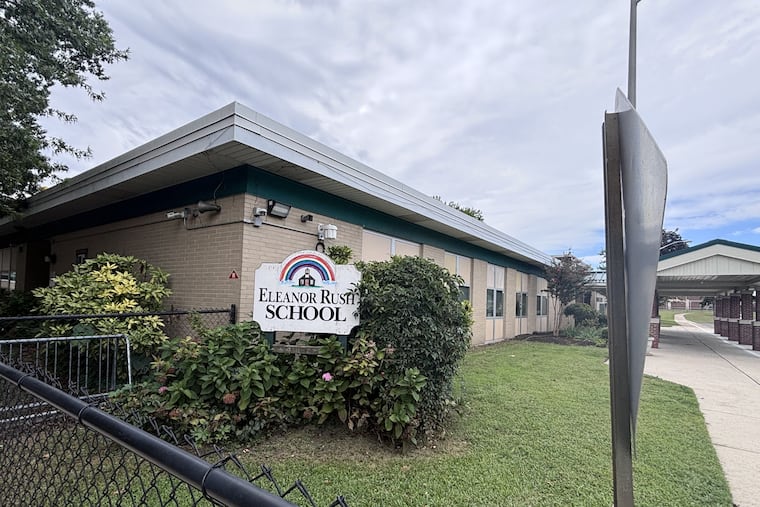
Even with significantly increased state funding over the last two years, the district continues to wildly underspend by a billion dollars annually, according to state law. And that figure does not count the cost to fix its crumbling buildings, where some kindergartners — including my own — can be forced to go a day without so much as using the bathroom.
Making matters worse, the district has growing costs it cannot control. For example, its annual charter costs have risen by $587 million over the last three years, despite flat enrollment, driven, in part, by a bizarre state law that forces the district to knowingly pay charter schools for special education services students never receive.
This huge funding hole, combined with growing costs, means that a deficit again inevitably looms. And without the power to raise its own funds, there is little the district can do but to spend even less: proposing to cut those same reading specialists, counselors, and climate staff from its workforce next year, with the threat of deeper cuts to follow in the years ahead.
Crises can reveal leaders and test our values alike. And to her credit, Mayor Cherelle L. Parker has sounded the alarm, proposing to tax rideshare companies to stave off the worst of the cuts. Her stance in the breach has been lauded by everyone from labor leaders and education advocates to the head of the Pennsylvania Intergovernmental Cooperation Authority.
City Council now faces the same test. But while its members have rightly acknowledged the need for funds, that body is also understandably furious and frustrated about a bungled school closure process that is both a failure of governance and a result of that same historic deprivation.
Common sense says you do not lay off reading teachers in the middle of a literacy crisis. Yet, we cannot kid ourselves that getting this funding increase passed will be easy to accomplish. This is particularly so given that Uber — notorious for massively increasing prices right when riders need a lift — is blanketing Philadelphia consumers with a message that is little more than a schoolyard bully’s taunt: “Don’t make me punch you.”
Left unsaid in those threats is the reality that any corporation worth $156 billion, and which sent its CEO nearly $40 million in compensation last year alone, can afford to pay more so Philadelphia children can read.
The story of increased state funding being swallowed by increased costs is not unique to Philadelphia. And for that reason, school districts that brought the school funding legal case could eventually return to court. But while justice is slow, a child’s time in school is short. And these cuts will hurt students much sooner than any court decision could help them.
Which is why, in the end, the decision facing the city is not a difficult one. On the one hand, we can stand up to a corporate bully. On the other hand, the very people who tutor our children or who keep peace in our school hallways will be removed from those who need them most.
Public education is our most sacred statement of values. It is a collective investment in the ability, the potential, and the humanity of all our future fellow citizens.
In times like these, when the chips are down, Philadelphians and their elected leaders must make it clear what we value — and how we feel about bullies — and fund our schools.
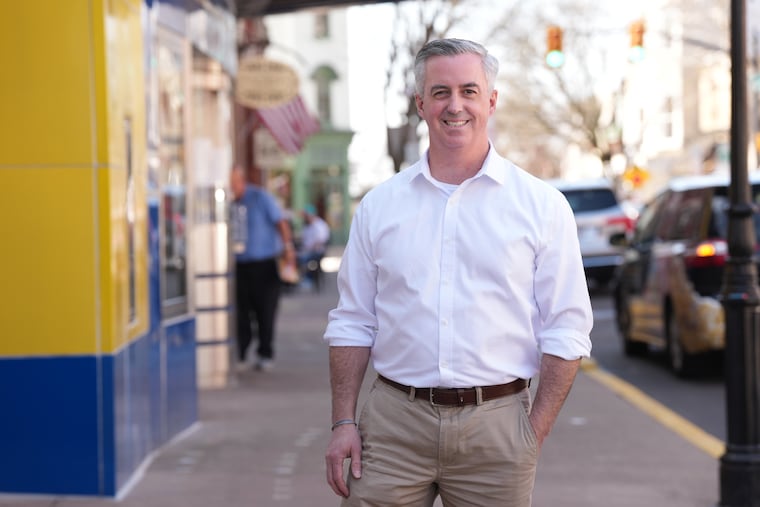
Dan Urevick-Ackelsberg is a parent of two Philadelphia School District students and a senior attorney at the Public Interest Law Center, where he litigated Pennsylvania’s landmark school funding trial.

Inquirer Opinion Newsletter