Shapiro and Senate Republicans need to get SEPTA funding done | Editorial
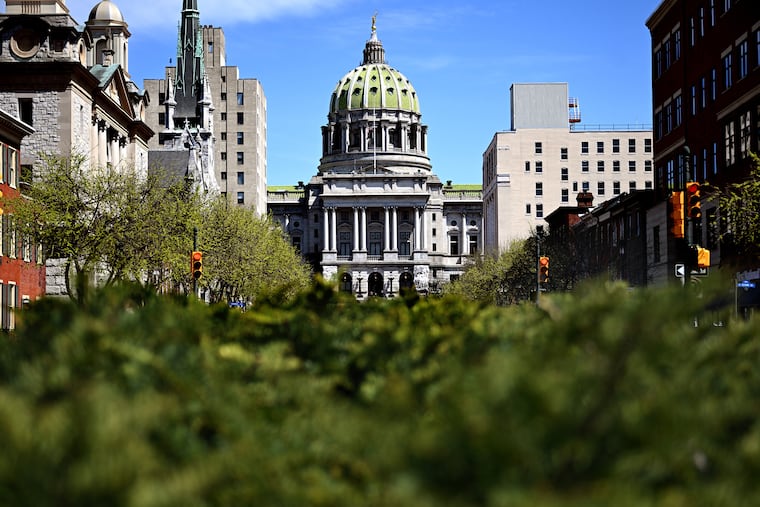
The GOP leadership, headed by State Sen. Joe Pittman, has shown a cavalier disregard for the economic, educational, and environmental impact of failing to fund public transit.

Across Philadelphia and the surrounding region on Monday, people were late, as the long forecast fallout of SEPTA service reductions became a reality.
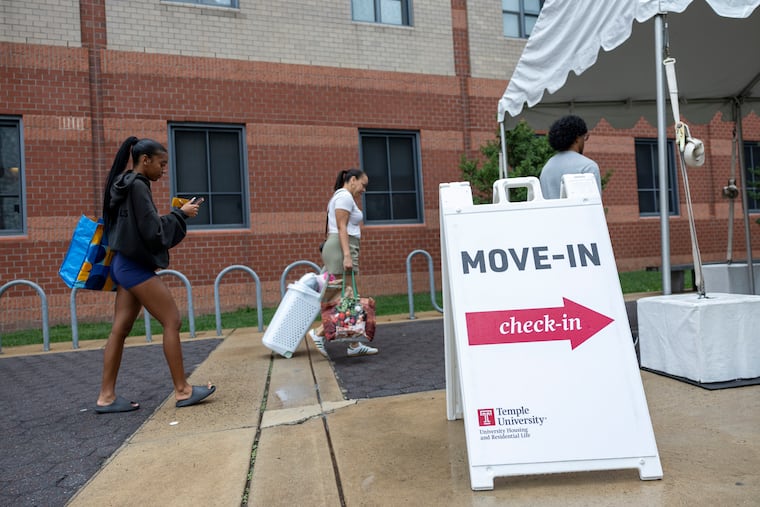
Students watched as full buses skipped by their stops. Workers found themselves counting on a grace period before they clocked in. Older Philadelphians were unable to get to important medical appointments on time. Teachers arrived after the first bell.
Those who did manage to remain punctual did so at a cost, sacrificing perhaps an additional hour of their day to stand around and wait.
Lawmakers in Harrisburg owe thousands of Philadelphians a signed tardy slip. After all, it is the Republican-controlled state Senate that has caused this to happen. It is the GOP leadership, headed by State Sen. Joe Pittman, that has shown a cavalier disregard for the economic, educational, and environmental impact of failing to fund SEPTA.
To allow the sixth-largest public transit system in the country to begin its fall into what is known as a death spiral — service cuts mean fewer riders, fewer riders mean more service cuts — is unforgivable.
» READ MORE: Harrisburg can’t let regional factionalism keep them from finding common ground on SEPTA | Editorial
Even before annual funding from the Pennsylvania Turnpike shrank from $450 million to $50 million in 2022, transit agencies had been looking for a new, sustainable revenue source. Instead, they’ve been met with intransigence.
At times, Harrisburg Republicans have seemed inclined to let transit fail entirely. More recently, they passed a bill that funds public transit across the state by taking money meant for maintenance projects (and diverting some of those funds to roads). GOP legislators have yet to make a sustainable offer to fund these agencies that isn’t a thinly veiled insult to our entire region.
The current proposal, which would take money from the commonwealth’s Public Transportation Trust Fund, has been posited as a way to keep SEPTA moving while talks continue.
The problem with that is threefold.
First, transit talks have been going on for years without any progress. In fact, Pittman had already made a public promise to address transit funding, only to renege. Second, unpredictability is bad for business. Companies hoping to cater to riders as customers or employees need certainty to move forward with new investments. Third, without sufficient funds to replace the 50-year-old trains or fund the Trolley Modernization program, these services may soon end up on the chopping block anyway.
Meantime, the Democratic-run House has held five votes to fund transit agencies. While transit funding fell behind other priorities in previous budget cycles, it has not done so this year. Their commitment to finding a sustainable solution for transit funding should be lauded, as should the grassroots advocacy from transit riders that pushed them to take this position.
» READ MORE: Republican public transit proposal is too little, too late | Editorial
For his part, Gov. Josh Shapiro has so far fallen short of using his self-proclaimed ability to “get stuff done.”
The governor acted quickly in 2023 to restore access to Interstate 95 after a fire led to a partial collapse of the highway, delivering both a short-term fix and a reliable long-term solution. He has not had similar success when it comes to protecting access to public transportation.
Shapiro pulled out his cape and cowl for a showy news conference last November, using his power as governor to redirect federal highway dollars toward SEPTA. While that averted planned cuts, it was only a temporary reprieve.
On Monday, the governor showed his willingness to compromise, offering to use the Public Transportation Trust Fund to lower the burden on the state’s finances. He also committed to ensuring the budget includes an adequate and sustainable transit funding solution.
Whether it takes calling a special session of the General Assembly — or simply ordering pizza and beer and going into a locked room until a deal is done, as suggested by former state senator and longtime Harrisburg power broker Vincent J. Fumo — it is up to Shapiro as governor to make this happen. Quickly.
The residents of Southeastern Pennsylvania cannot afford for this impasse to continue. State leaders must forge a budget that sustainably funds transit, and gets our buses, trolleys, and trains running again — before it’s too late.

The transit cuts proposed due to a financial shortfall would be a setback to the entire region — and state.
Read more from Inquirer Opinion:
- Harrisburg can't afford to let SEPTA fail | Editorial Board
- I wouldn't be here without public transit | Daniel Pearson
- Despite our complaints, SEPTA is actually efficient | Alan Fisher
- We deserve transit investment, not just survival | Jay Arzu
- SEPTA cuts would make our air dirtier | Christine Knapp
- Masterman students could lose a lifeline if services are cut | Leila Golzari-Hunt and Olivia Kang
- How SEPTA cuts could affect Pennsylvanians | Daniel Pearson
- Transportation in Pennsylvania is a bipartisan issue | Mark Schweiker and Ed Rendell