Trump’s deference to Putin means only more bloodshed in Ukraine
The president could have used America’s power to force Vladimir Putin to negotiate seriously. Instead, he opened the door to blaming Ukraine for any failed "peace" talks.
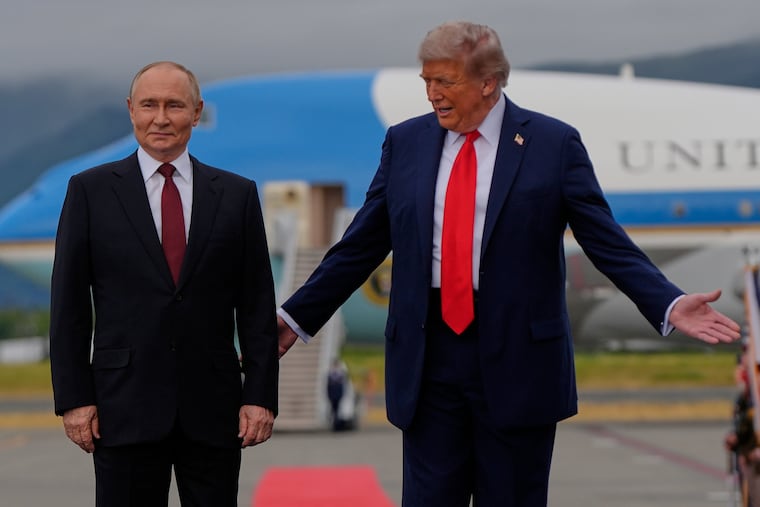
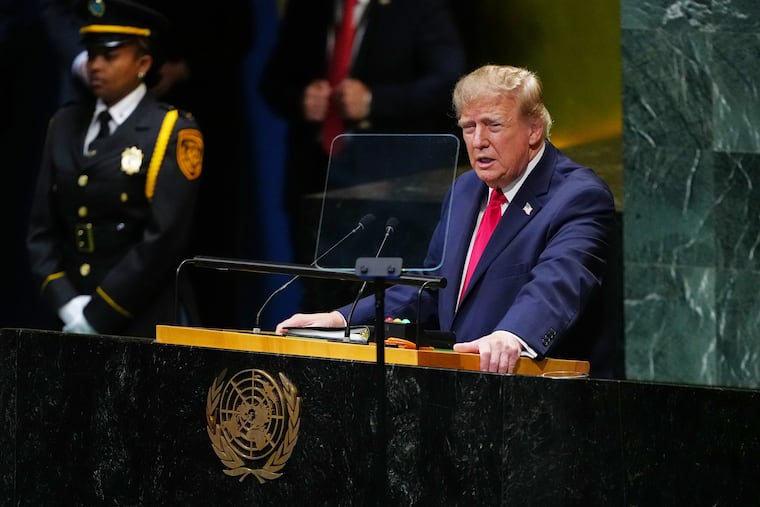
Historians will look back on the Alaska summit between Donald Trump and Vladimir Putin as one of America’s most shameful moments — much of it shown on live TV before the whole world — when a U.S. president groveled before a Russian aggressor whose clear goal is to undermine the West and destroy its neighbor.
The only good news from the summit was there was no deal, because that meant Trump hasn’t publicly endorsed Putin’s surrender plan for Ukraine — at least not yet.
The president had already given Putin a public relations gift by inviting him to Alaska, thus ending the accused war criminal’s well-deserved diplomatic isolation.
The entire ordeal might have been worth it if Trump had channeled Ronald Reagan, stood strong, and kept his repeated pledge to demand that Putin agree to a ceasefire before talks or face harsh U.S. secondary sanctions on oil and banks. If Trump had used America’s power to force Putin to negotiate seriously, he would have done his country proud.
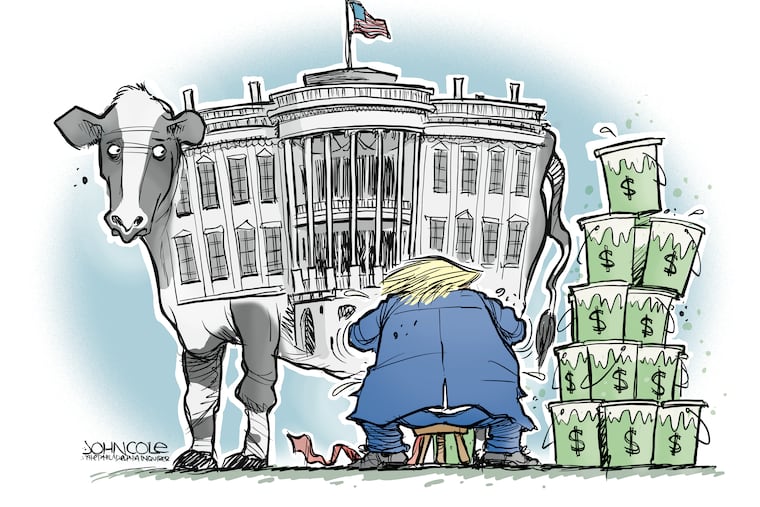
Instead, Trump TACO’d (shorthand for “Trump always chickens out”) yet again. For the sixth time, he dropped his key demand for a ceasefire before peace talks, aligning with Putin and breaking pledges to Europe and Ukraine. He abandoned (also for the sixth time) his promise to harshly punish Russia if Putin refused a ceasefire. He accepted Putin’s formula for talks, which would ensure the destruction of Ukraine’s independence.
Trump said it was up to Ukraine to “get a deal done,” which opens the door to blaming Ukraine if future “peace talks” fail. We will see Monday, when Volodymyr Zelensky is scheduled to meet with the president, whether that is the odious option Trump adopts.
There are (at least) three lessons from the summit that help explain the awful spectacle in Anchorage.
» READ MORE: Putin has the upper hand in meeting with Trump on Ukraine | Trudy Rubin
One. Trump considers his relationship with Putin to be far more important than peace in Ukraine (yet totally misunderstands the Russian leader). He told Fox News’ Sean Hannity after the (failed) summit that he rated the meeting a 10 out of 10 “in the sense that we got along great …” (He also repeated, on the show, his canard that the war was Ukraine’s fault.)
Trump could have dealt with Putin in the businesslike fashion required of a supposed prep meeting for further talks. Instead, the optics of the president’s red carpet (literally) welcome to Putin at the airport projected his sense of brotherhood with the dictator — clapping when Putin alighted, clasping his hands with the enthusiasm of a close friend.
Such warmth might have been suitable for one of our closest allies, but not for a dictator who invaded a democracy and has killed tens of thousands of civilians.
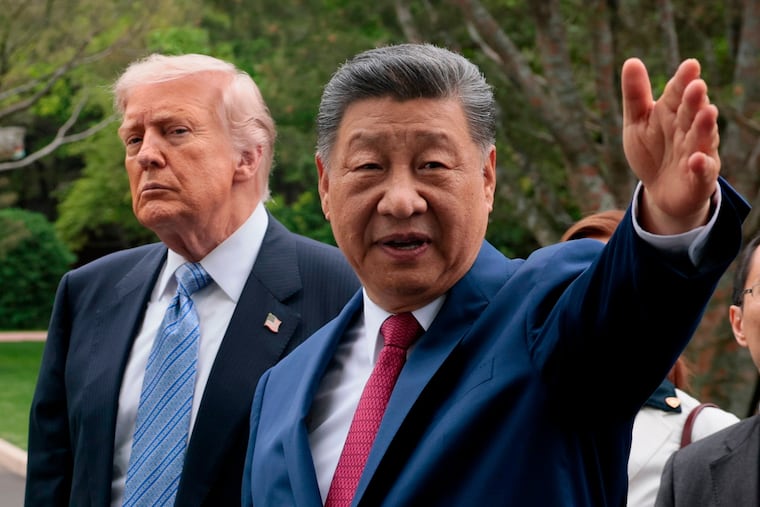
On the tarmac, Trump sent a clear visual message to the world about his disregard for the post-World War II rule of no seizure of foreign territory by force. Putin, China’s Xi Jinping, and other dictators got the message without any caveats. That will be the shameful image people take away from the summit.
Two. Trump has made clear — including in the self-adulatory interview he gave Hannity — that besides Putin’s friendship, his big goal in peace talks is the Nobel Peace Prize. Even if it must be rebranded as the Nobel Peace at Any Price Prize, with a sellout to Putin.
Trump even cold-called a Norwegian government minister to ask about the prize.
Three. Trump refuses to recognize what Putin wants, or how he is openly trolling the president to get it. During their post-meeting remarks, Putin effusively echoed the president’s favorite lines, claiming the 2020 elections were rigged, mail-in ballots are corrupt, and the war never would have happened if Trump had been president.
Besides being a grievous interference in U.S. domestic affairs, Putin’s flattery was an embarrassingly obvious effort to butter Trump up. Yet the president repeated that Putin drivel with pride on the Hannity show. No wonder Russian media has been crowing that after Alaska, Ukraine is finished.
Even more dangerous is Trump’s refusal to recognize that Putin does not want peace. His dispute with Kyiv is not about land swaps. It is about his determination to destroy Ukraine as an independent state, which does not require conquering all the country’s territory.
» READ MORE: Trump concessions to Putin in Alaska would invite wider war | Trudy Rubin
When Putin insisted in Alaska that “root causes” of the war must be addressed, he meant his demands that Zelensky be removed and a pro-Putin regime be installed. He also meant, as he has previously stated, that Ukraine’s army be shrunk and mostly disarmed. In Putin’s eyes, Ukraine must be turned into a vassal of the Russian empire, if not entirely absorbed by Moscow.
As Russia has demonstrated in occupied Ukrainian territory, its ultimate goal is to eliminate that nation’s language and church, deny its history, and subdue its people — or force them to flee to other countries in Europe so it can resettle Russians in their place.
But Trump can’t see that, or he doesn’t care. With his stumbling economy and terrible manpower losses, Putin could still be forced to back down if the U.S. joined Europe in imposing maximum pressure on Moscow with ramped-up sanctions and sufficient military aid to Ukraine.
Nor does Trump comprehend or care that Ukraine now stands as Europe’s army, protecting the line between an aggressive Putin and NATO territory. He has no idea that Ukraine is technologically brilliant, now 50% self-sufficient in producing its own weapons and a global leader in the use of military drones.
But Europe alone cannot provide key weapons systems and high-level intelligence — that must come from the U.S. The Europeans are willing to pay for the weapons, but Trump would have to accelerate delivery.
Trump let Putin know in Alaska that the Russian autarch can do what he wants to Ukraine and Europe, without fearing any U.S. pressure. This show of weakness will encourage the Russian leader (and China) to further challenge a malleable U.S. president.
It also ensures that Putin will continue his brutal war.