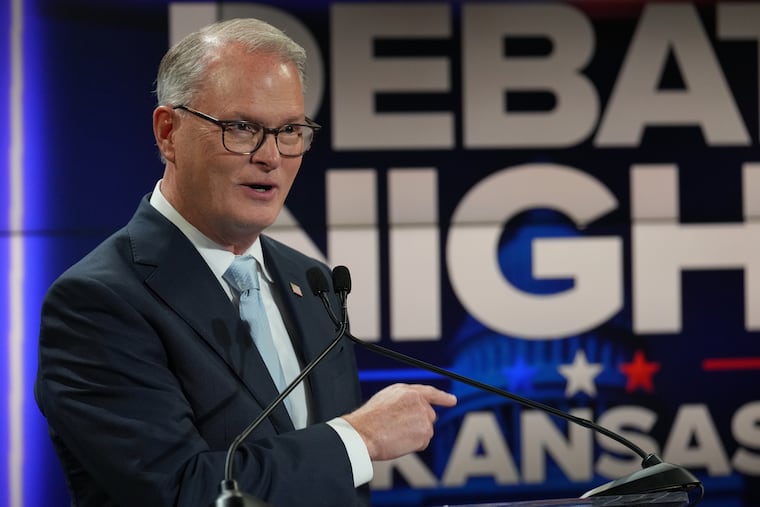
'Conflict of interest' in Nationwide-Harleysville deal? UPDATE
David Schiff says Nationwide's $1.6 billion should go to policyholders, not just shareholders, given Harleysville's mutual roots
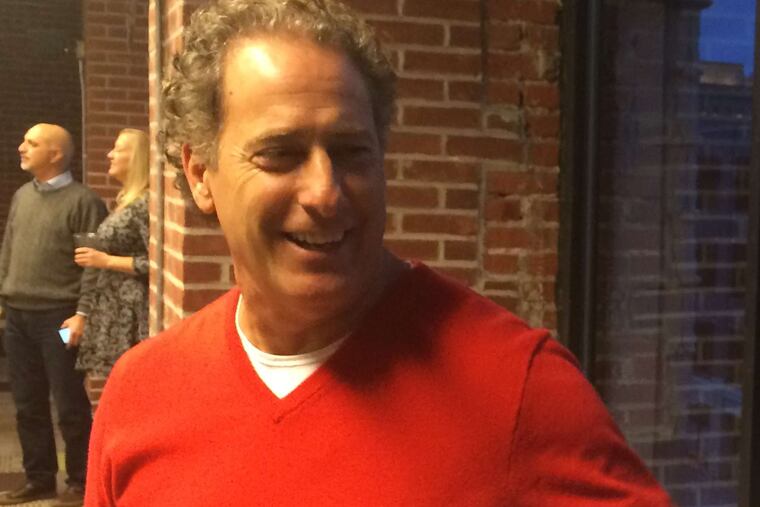
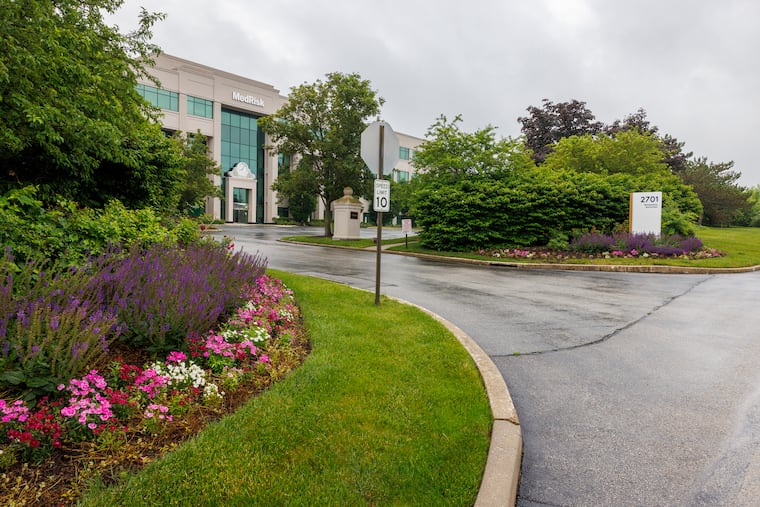
(Adds company comment) Harleysville Mutual policyholders might not be getting their share in Nationwide's planned takeover of the 96-year-old Montgomery County-based insurer and its larger for-profit sister, Harleysville Group, writes David Schiff, retired publisher of Schiff's Interest Rate Observer in New York. Read my colleague Harold Brubaker's story and comments by Harleysville management here.
The deal values Harleysville at $1.6 billion, but Nationwide is only actually offering to spend half that much (around $800 million) on the shares of the for-profit part of the group. (Revised)
Harleysville "resents the suggestion," says Rob Kauffman, general counsel at Harleysville. "Our mutual is merging into Nationwide's mutual, so our mutual policyholders will become Nationwide mutual policyholders," moving from an A.M. Best-rated "A" to an "A+" rated company. "You don't have compensation when you do a mutual-to-mutual merger."
So why the $1.6 billion payment? Nationwide is "taking out" the shareholders on the publicly-owned part of the company, Kaufmann told me. "We have been extremely careful about all the corporate issues" and are confident the payments have been correctly asigned.
Harleysville assets have grown more rapidly at the shareholder-owned part of the group than the mutual part over the past 20+ years. Stock companies are controlled by their shareholders, but mutual insurers are supposed to be owned by their policyholders. Too often, when mutuals are converted or sold, big profits accrue to managers, none to policyholders, Schiff said.
Harleysville Mutual and Harleysville Group "had overlapping boards and engaged in many related-party transactions," which creates conditions for "a big conflict of interest," Schiff tells me. "They're selling the stock company to Nationwide for a huge price. Why wouldNationwide pay this huge price? Because the people who control the stock company control the mutual, and they're giving the mutual for free. The policyholders should get that benefit."
As in past mergers, Schiff expects the Pennsylvania Insurance Department will approve the sale, leaving any mutual policyholders who disagree with the companies' approach to challenge it and eventually win partial concessions. "This situation looks similar" to Nationwide's previous initial offers of Allied Mutual and Provident Mutual in the 1990s, which were only resolved after Schiff and other activist policyholders sued to boost payouts to policyholder-owners, he says.
As in past mergers, Schiff expects the Pennsylvania Insurance Department will approve the sale, leaving any mutual policyholders who disagree with the companies' approach to challenge it and eventually win partial concessions. "This situation looks similar" to Nationwide's previous initial offers of Allied Mutual and Provident Mutual in the 1990s, which were only resolved after Schiff and other activist policyholders sued to boost payouts to policyholder-owners, he says.

Joseph N. DiStefano | Columnist

Joseph N. DiStefano | Columnist
Joseph N. DiStefano | Columnist


Joseph N. DiStefano | Columnist


Joseph N. DiStefano | Columnist


Joseph N. DiStefano | Columnist

Joseph N. DiStefano | Columnist


Paul Jablow, For The Inquirer
Joseph Goldstein, New York Times
Tracey Tully and Peter Eavis, New York Times