David Torn shows a delicate, disruptive artist's touch
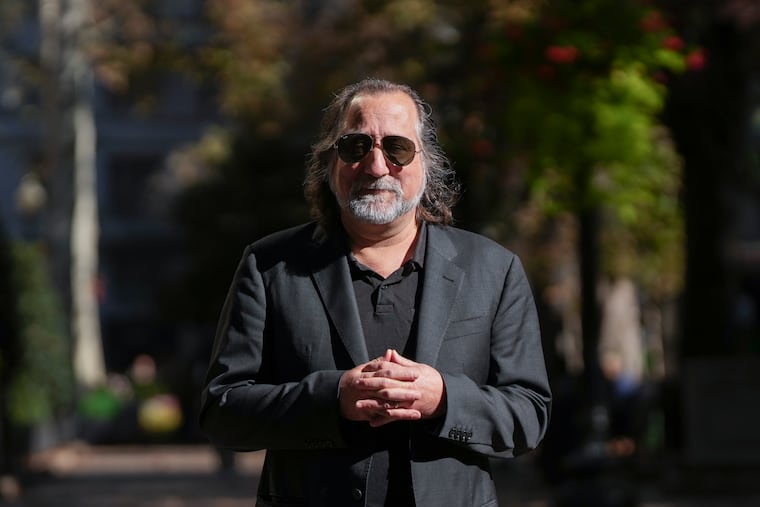
Despite a rousing ovation from the nearly full Art Alliance audience on Thursday, David Torn chose to end his set not with thanks, but with an apology. "If anybody thought I was going to play jazz or some kind of style tonight," the white-maned guitarist said, "I'm sorry."
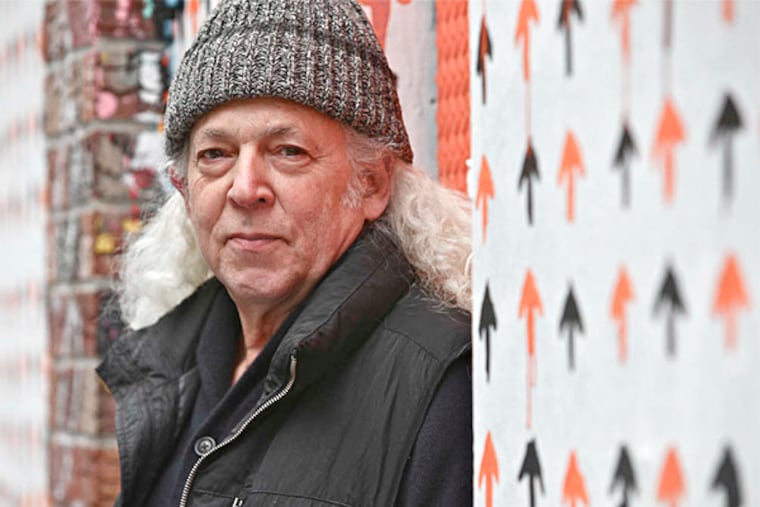
Despite a rousing ovation from the nearly full Art Alliance audience on Thursday, David Torn chose to end his set not with thanks, but with an apology. "If anybody thought I was going to play jazz or some kind of style tonight," the white-maned guitarist said, "I'm sorry."
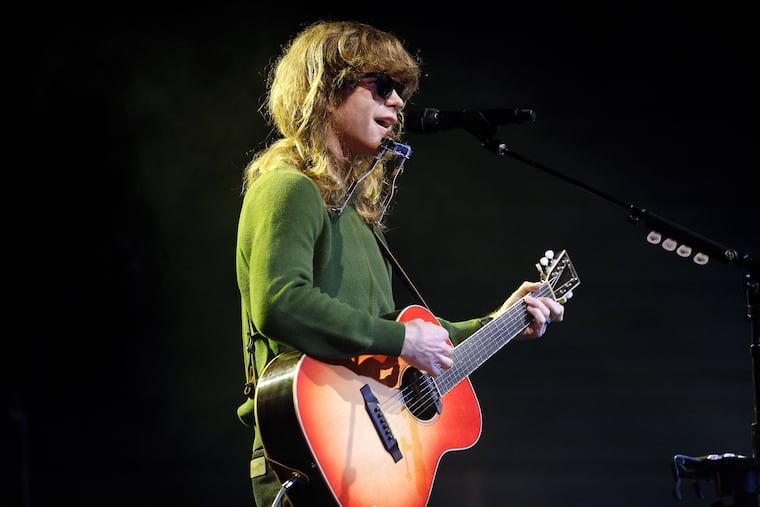
Though some in the crowd - perhaps lured by Torn's production work with pop stars such as David Bowie, John Legend, and Madonna - may have been caught unaware by the evening's free-association sound sculptures, there was no need for disclaimers after his captivating, often-rapturous 70-minute set. Playing solo guitar mutated through a variety of electronic means, Torn conjured enveloping sonic environments as discomfiting as they were alluring to explore.
Watching Torn work with sound is something like peering into a glass-blower's shop, where a master craftsman manipulates a translucent, delicate but infinitely malleable substance into shapes and colors altered by the merest gesture.
A veteran producer who has collaborated with progressive-thinking artists in the pop, jazz, and electronic-music worlds, Torn is also a prolific composer and musician. Thursday's performance, presented by the Ars Nova Workshop, was a stop on his latest tour, promoting his new solo ECM release, only sky. The concert shared the album's stream-of-consciousness style, with stylistic flourishes and strange textures gradually accumulating and changing shape. Each sound the guitarist makes creates ripples in the air, whether ricocheting around the room or exploding into the sound of blaring sirens or snapped springs.
The difference live came in Torn's incorporation of familiar songs, which floated to the fore through the sonic haze like the half-remembered melodies they were.
"I know a lot of songs that are never going to leave my head until I die," Torn explained. The titles are sometimes more elusive, as he initially referred to "Casey Jones" as "a Grateful Dead song about a drug" (hardly narrowing the possibilities) and never quite recalling the name of the "Billy Cobham fusion tune - I think" that he turned into a violent clash of scraping metal shrieks and snarled, wiry lines.
The latter piece evolved from a scrap of "Angel Eyes" that altered Frank Sinatra's last-call melancholy with distorted blues.
"Casey Jones" was rendered nearly unrecognizable, becoming a mirage of uncanny Americana with high-lonesome howls abruptly dissected by mechanical eruptions. Torn's music, as hypnotic as it often is, suggests the sound of entropy, finding beauty in decay and disruption.