Obama warning on cuts goes unheard
It's not just that Congress is out of town. The urgency just isn't there.
WASHINGTON - Ten days before a new deadline for broad, automatic government spending cuts, the sense of urgency that surrounded other recent fiscal crises is absent. Government agencies are preparing to absorb an $85 billion hit to their budgets, and politicians, at least for now, seem willing to accept the consequences.
President Obama, back from a golfing weekend, warned Tuesday that "people will lose their jobs" if Congress doesn't act. But lawmakers weren't in session to hear his appeal, and they aren't coming back to work until next week.
Still dividing the two sides are sharp differences over whether tax increases, which Obama wants and Republicans oppose, should be part of a budget deal.
Obama cautioned that if the immediate spending cuts occur, the full range of government will feel the effects. Among those he listed: furloughed FBI agents; cuts in spending for communities to pay police, firefighters, and teachers; and decreased ability to respond to threats around the world.
"So far at least, the ideas that the Republicans have proposed ask nothing of the wealthiest Americans or the biggest corporations," Obama said at a White House event against a backdrop of firefighters and other emergency personnel. "So the burden is all on the first responders, or seniors or middle-class families."
Aides say neither Obama nor White House officials are now engaged in direct negotiations with Republican leaders.
The spending cuts, however, aren't perceived to be as calamitous as the threatened results of recent fights over the nation's borrowing authority and the fiscal cliff that would have cut spending and increased tax rates on all Americans paying income taxes.
In fact, many Republicans now see the automatic cuts in spending as the only way to tackle the deficit. Some liberals won't balk either because they want cuts in Pentagon spending. And many Democrats believe the cuts will have to materialize before Republicans agree to some increase in taxes.
White House officials say they believe Republican House Speaker John A. Boehner of Ohio will ultimately relent in his opposition to additional taxes. They note that despite his initial stand against increasing tax rates in December, he eventually allowed a House vote to proceed raising the top rate on the wealthiest taxpayers.
Not this time, he said Tuesday: "The American people understand that the revenue debate is now closed."
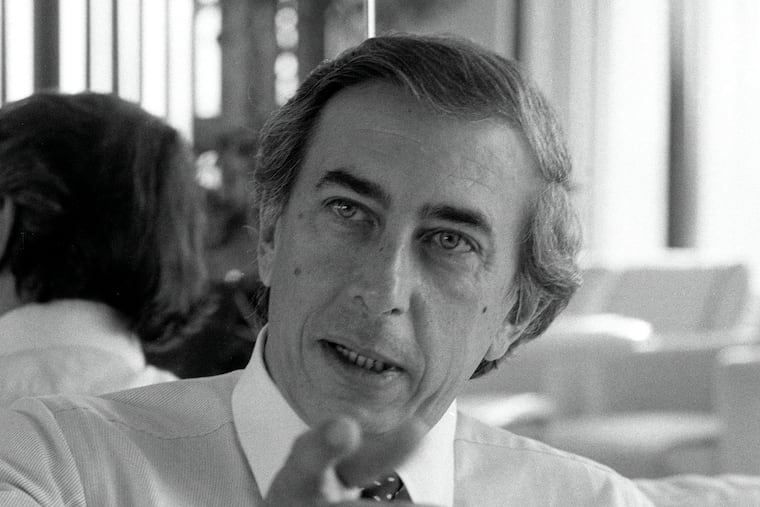
Tuesday's exchanges came as the cochairs of a bipartisan deficit-reduction commission called for reducing the deficit by $2.4 trillion over the next 10 years, with much of the savings coming through health-care changes, the closing of tax loopholes, a stingier adjustment of Social Security's cost-of-living increases and other measures.
The proposal by Republican former Sen. Alan Simpson of Wyoming and Democrat Erskine Bowles, the former chief of staff for President Bill Clinton, calls for about one-quarter of the savings to come from changes in health-care programs.
In their plan, Bowles and Simpson say the automatic cuts scheduled for March 1 are too steep and could set back the economy. "Sharp austerity could have the opposite effect by tempering the still-fragile economic recovery," they wrote.