Amtrak is making some big changes. Here’s what passengers can expect.
Riding the rails is resonating with today’s travelers. In fiscal year 2025, Amtrak set a record with 34.5 million passengers, up from 32.8 million the previous year.
Born during the Nixon era, Amtrak is squarely in middle age. Lately, however, the railway company has been acting more Gen Z than X.
In August, Amtrak celebrated the first anniversary of the NextGen Acela as well as the restored Mardi Gras service between New Orleans and Mobile, Alabama, which had been inactive since 2005’s Hurricane Katrina. Last month, the company debuted the sleek new Airo trains in the Pacific Northwest, part of the largest fleet replacement in the company’s history.
Riding the rails is resonating with today’s travelers. In fiscal year 2025, Amtrak set a record with 34.5 million passengers, up from 32.8 million the previous year. The numbers are looking strong for FY 2026, with nearly 34 million passengers between October 2025 and the end of August.
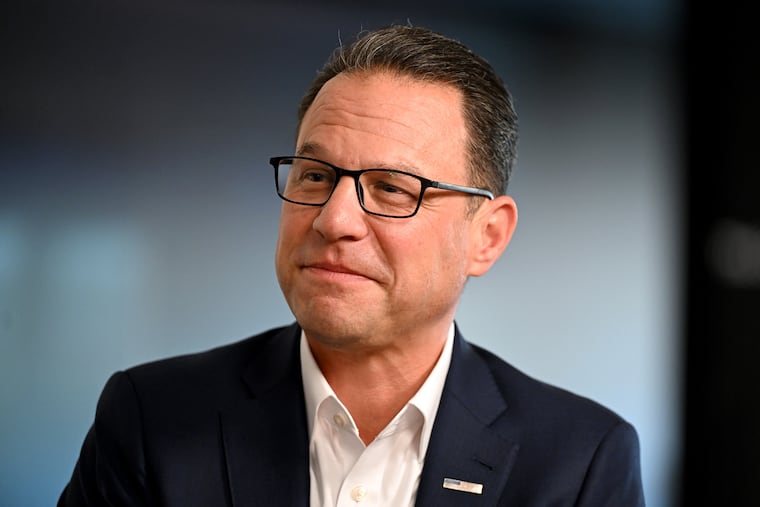
In an interview with The Washington Post, interim president Byl Herrmann said he is not taking the momentum for granted.
“Can we make sure that the growth we’ve seen in passengers over the last four years can continue?” he pondered. Optimistically, yes, but he said the company must shed the outdated business model it established 55 years ago. This could be Amtrak’s moment, especially when compared with the transportation alternatives.
“We don’t have a fuel surcharge, and [travelers] can avoid sitting behind the wheel in a traffic jam for hours,” Herrmann said. “We’ve been very fortunate this year that we’ve been able to not increase prices.”
To keep Amtrak on the right track, Herrmann shared five developments in motion or on the horizon.
New additions to the route map
Since its grand comeback last August, the twice-daily Mardi Gras service has been an overwhelming success. The company anticipated 71,000 passengers in its first year; more than twice as many people boarded the train, however, including a gobsmacked Herrmann.
“You don’t think of swampland as being beautiful,” he said, “but it’s an absolutely gorgeous trip.”
Herrmann said Amtrak is in discussions with Louisiana state officials to extend the 145-mile route to Baton Rouge. He said the company is also looking at “opportunities” in Colorado.
Additionally, on Nov. 18, the Pennsylvanian will launch a second daily round trip between New York City and Pittsburgh.
Airo is coming east
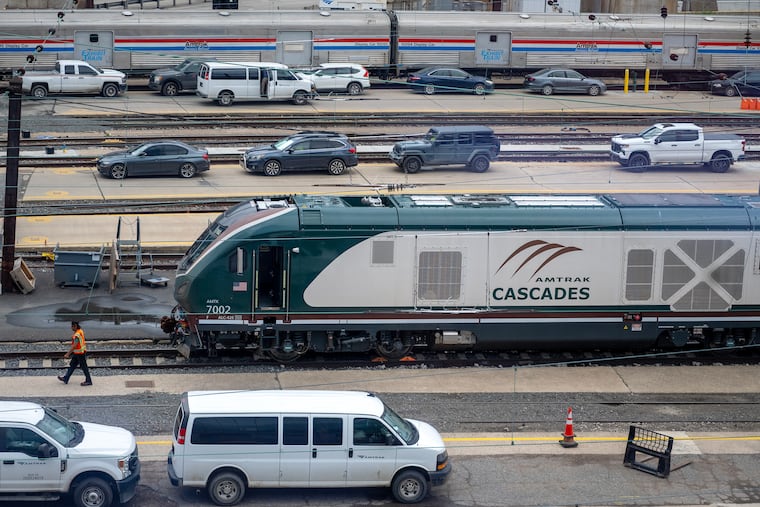
On Sept. 30, the company debuted the Airo fleet on the Amtrak Cascades route from Vancouver, British Columbia, to Eugene, Oregon. The next stop for the modern train sets: the Northeast Corridor in 2027.
Travelers between Boston and Washington, D.C., can expect such comforts as personal reading lights and power outlets, built-in device holders, large panoramic windows, touchless bathrooms and ergonomic seats that slide forward and not back into your neighbor’s knees.
“There’s plenty of leg room, which is really key for our passengers,” said the 6-foot-2-inch Herrmann. “They don’t want to be crammed.”
For a preview of what’s coming east, passengers on the Cascades route should look for the “new train” tag when booking online or on the app.
NextGen Acela is on the mend
The Acela reboot wasn’t seamless. Passengers complained of glitches, such as seats that did not properly recline and bathroom and train car doors that failed to open, leading to delays.
The problems are not “100 percent” fixed, Herrmann admitted, but Amtrak and Alstom, the train manufacturer, are addressing them as quickly as possible.
“The old equipment didn’t have a single semiconductor on it, and now these [trains] are basically rolling computers,” he said. “A lot of the issues we saw with the outside doors and the bathroom doors have been rectified with software updates.”
Herrmann added that Amtrak will soon put the 17th set of hopefully hitch-free NextGens into service.
Private lounges become more inclusive
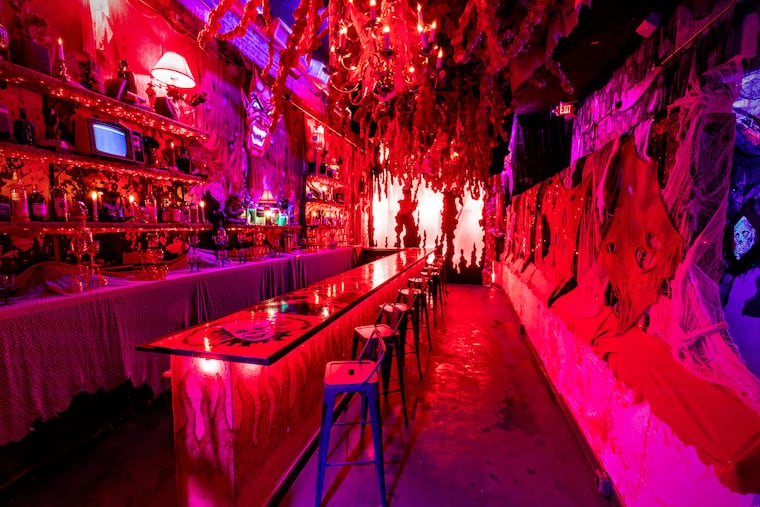
Amtrak has hopped on the lounge zeitgeist with private clubs in seven train stations, including Boston, Chicago, Los Angeles, Philadelphia and Portland, Oregon. Amtrak is building a new lounge in Washington’s Union Station that will be fashioned after the flagship Metropolitan Lounge in New York City’s Moynihan Train Hall. (In the meantime, grab a Railcar, Sidecar or Third Rail at the Continental Club, a cocktail lounge inspired by the golden age of train travel that opened in August on the mezzanine balcony.)
The perk, which is free for select ticket holders and Amtrak Guest Rewards members, has been around for a while, but it became more inclusive last year with the launch of the single visit pass. Passengers can pay $50 for a day pass at the NYC lounge or $35 at the other locations.
Amenities include concierge services, complimentary snacks, nonalcoholic and priority boarding, so no more bottlenecking or sprinting to the track.
To escape the crowds, eligible passengers can retreat to an private waiting room in New Orleans, St. Louis, St. Paul/Minneapolis and Wilmington, Delaware.
A reorganization to elevate passenger service
As part of Amtrak’s next-50-years plan, the company has drafted a massive reorganization that would create a parent holding company with three specialized subsidiaries: passenger services, infrastructure management and fleet management.
“Our teams are thinking about the operational needs of getting a train from Point A to Point B. They’re also considering how many passengers does that impact? Are we improving the service? And are we getting them to [their destination] at the time they want to be there?” he said. “It’s all much better integrated and targeted.”
Herrmann said he will present the plan to Amtrak’s Board of Directors in December. If all goes well, it could be implemented within the next 12 to 18 months. The transition, he added hopefully, should not disrupt operations. Quite the opposite.
“We think passengers will see pretty quickly an improvement in performance and customer service,” he said.