Trump’s Justice Department sues New Jersey for voters’ personal information
Thursday's lawsuits against New Jersey and four other states bring the number of states sued by Trump's Department of Justice over refusal to turn over voters' records to 29.
New Jersey joined the growing list of states sued by the Department of Justice after refusing to share personal information of voters with President Donald Trump’s administration because of privacy concerns.
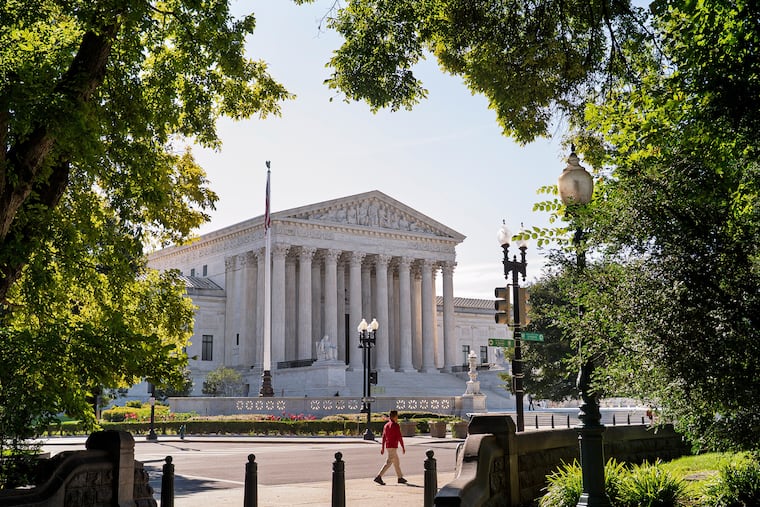
The Justice Department sued New Jersey on Thursday alongside Utah, Oklahoma, Kentucky, and West Virginia as it escalates its effort to obtain voter data. It previously sued Washington, D.C., and 24 other states, including Pennsylvania.
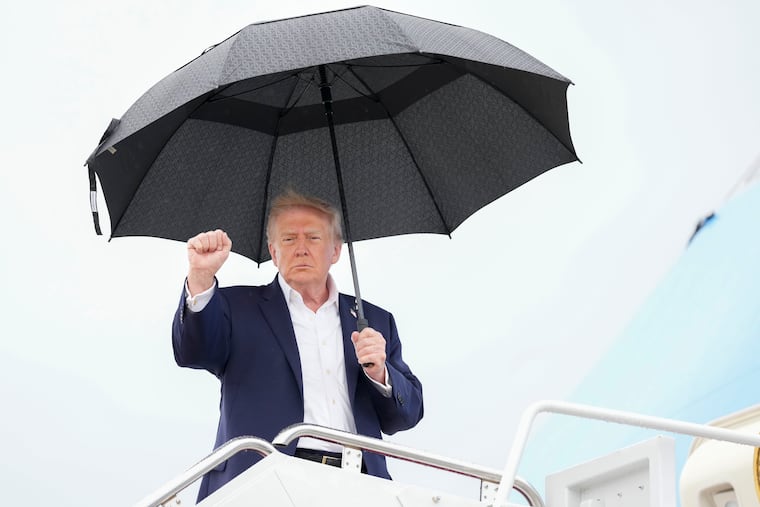
The suits follow Trump’s rhetoric in recent weeks about the need to “nationalize elections.” During his State of the Union address to a joint session of Congress this week, the president repeated the unsubstantiated allegation that "cheating is rampant in our elections.”
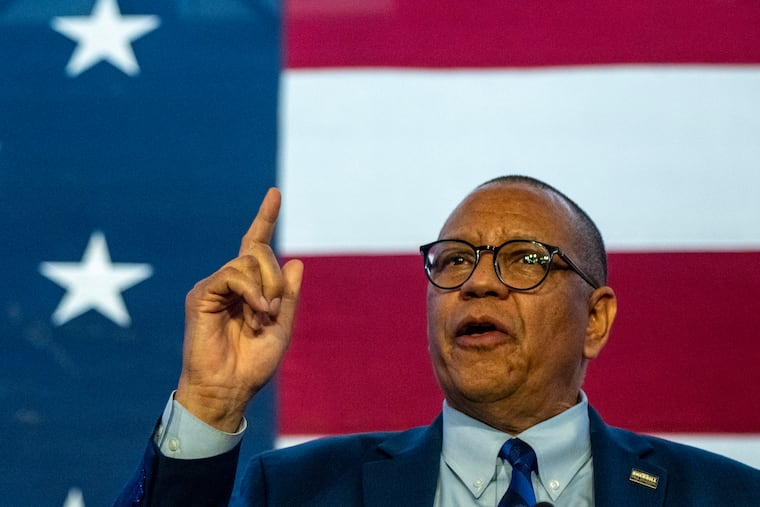
The lawsuit in the New Jersey District Court accuses Dale Caldwell, who is serving as the Garden State’s lieutenant governor and secretary of state, of violating Title III of the Civil Rights Act of 1960 by refusing to hand over the list of the state’s registered voters to U.S. Attorney General Pam Bondi.
“Accurate, well-maintained voter rolls are a requisite for the election integrity that the American people deserve,” Bondi said in a statement. “This latest series of litigation underscores that This Department of Justice is fulfilling its duty to ensure transparency, voter roll maintenance, and secure elections across the country.”
Caldwell’s office did not immediately respond to a request for comment.
Acting New Jersey Attorney General Jennifer Davenport said the state would defend against the lawsuit in court.
“As several courts have already held, the Department of Justice’s request for voters’ personal information, including driver’s license numbers and Social Security numbers, is baseless,” Davenport’s statement said. “We are committed to protecting the privacy of ours state’s residents.”
Bondi sent a letter to Caldwell on July 15 asking for the statewide voter registration list, the suit says. The letter cited alleged discrepancies in New Jersey’s voting registration statistics compared to national averages. For example, it says the state removes fewer duplicates from its voter rolls.
» READ MORE: On Jennifer Davenport’s first day as N.J. attorney general, the Sherrill administration exchanges lawsuits with Trump
A month later, the suit says, Bondi sent another letter asking for the full list including each voter’s full name, date of birth, address, and driver’s license or last four digits of their Social Security number.
In the months following the August letter, former state Attorney General Matthew Platkin declined to share the information because of privacy concerns — a reason Pennsylvania officials have also cited.
After the administration of Gov. Mikie Sherrill took office in January, DOJ sent a “courtesy email” to check if the state’s position on sharing the records has changed. But it didn’t.
The suit is asking a federal judge to find that Caldwell violated federal law by refusing to share the records and order the state to pass over the information.
The Justice Department filed a similar lawsuit in September against Pennsylvania Secretary of State Al Schmidt, a month after he refused to provide the data.
Schmidt called the department’s request “unprecedented and unlawful” and promised to “vigorously fight the federal government’s overreach in court.”
“I have an obligation to protect the personal information that Pennsylvania voters entrust us with, and I take that obligation extremely seriously,” Schmidt said in a September statement.
The voter roll lawsuit is the second filed by the Justice Department against New Jersey this week. Bondi sued Sherrill on Tuesday over a Feb. 11 executive order that prohibits state agencies to allow federal immigration agents from entering state property for enforcement actions without a warrant.
The lawsuit said the executive order would disrupt the ability of U.S. Immigration and Customs Enforcement to capture “dangerous criminals” who are in prisons or courthouses controlled by the state.
Davenport said in a Tuesday statement that the state would continue to ensure the safety of the immigrant communities.
“Instead of working with us to promote public safety and protect our state’s residents, the Trump administration is wasting our resources on a pointless legal challenge,” Davenport’s statement said.